
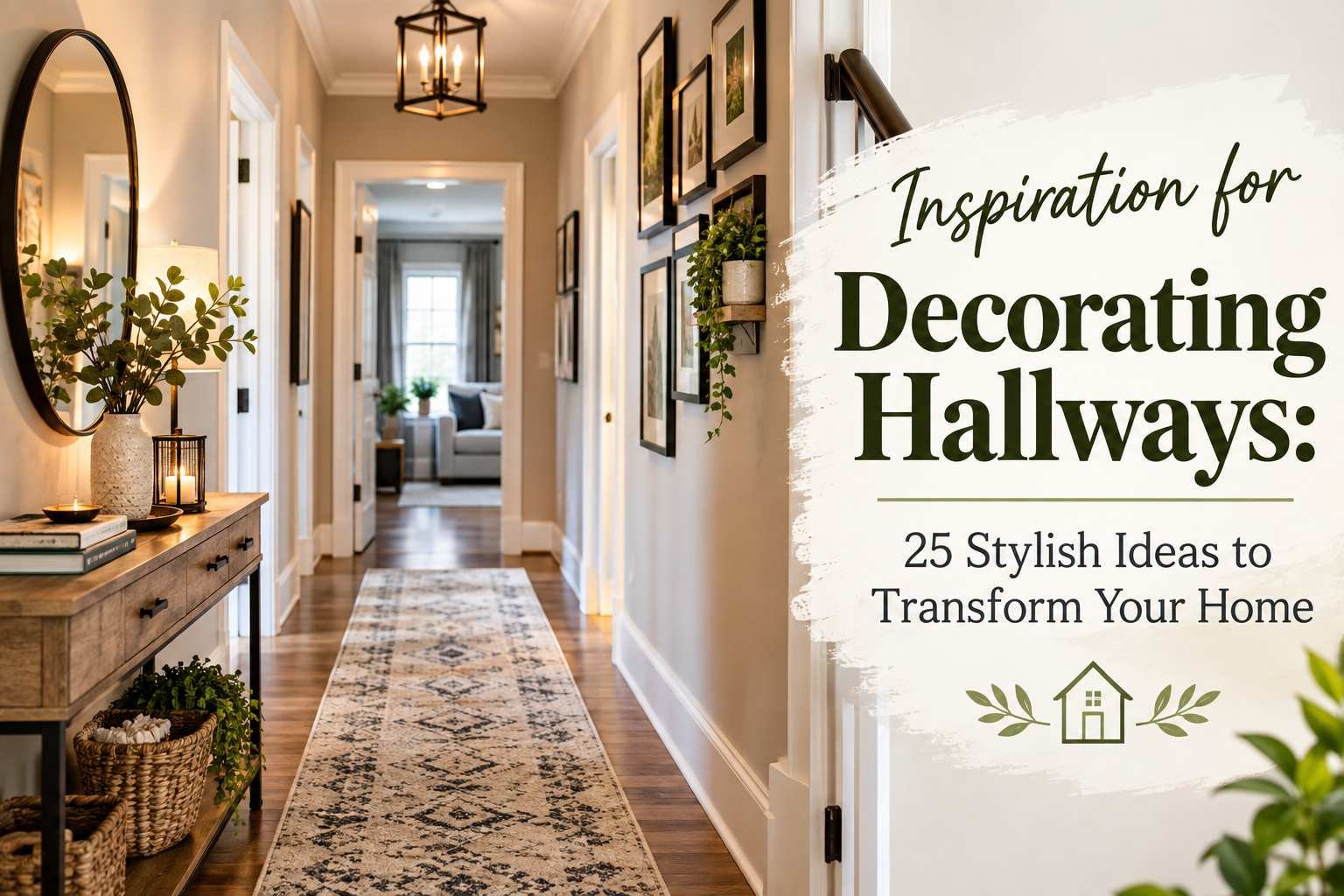
Your hallway is more than just a passage connecting different rooms—it is an important part of your home’s overall design. Finding the right inspiration for decorating hallways can help you create a welcoming, stylish, and functional space that reflects your personality. Whether you have a narrow entryway, a spacious corridor, or a long hallway that feels empty, thoughtful decorating choices can make a significant difference.
For homeowners across the USA, hallway design offers an opportunity to improve the flow of a home, introduce attractive storage, showcase artwork, and create a cohesive connection between living spaces. From modern minimalist designs to warm farmhouse styles, there are countless ways to make your hallway look beautiful without requiring a major renovation.
In this guide, we’ll explore 25 creative hallway decorating ideas, practical design tips, color suggestions, lighting solutions, and budget-friendly updates. Whether you’re refreshing a small apartment hallway or redesigning a large home corridor, these ideas will help you plan a space that combines beauty and everyday practicality.
1. Create a Welcoming Entryway
The entryway is often the first interior space guests experience when entering your home. A well-designed hallway can create a positive first impression while making your home feel organized and inviting.
Start by choosing a small console table, an attractive mirror, or a decorative wall arrangement. Add a runner rug to introduce texture and define the walkway. If space allows, include a small bench where family members can sit while putting on or removing shoes.
Choose accessories that complement the style of the rest of your home. For example, a modern home may benefit from clean-lined furniture and neutral colors, while a traditional home could incorporate wood finishes and classic artwork.
The key is to avoid overcrowding the entrance. A few carefully selected pieces can create a polished look without restricting movement.
2. Use Mirrors to Make Hallways Feel Larger

Mirrors are one of the most useful decorating tools for hallways, particularly in smaller homes or apartments. They reflect light, add visual interest, and can make a narrow area feel more open.
Consider placing a large vertical mirror at the end of a hallway or installing a collection of smaller mirrors along one wall. Round mirrors can soften spaces with angular architecture, while rectangular mirrors offer a more structured appearance.
For a cohesive design, match the mirror frame to other finishes in your home. Black frames work well in contemporary interiors, while brass, wood, and antique-style frames can create a warmer atmosphere.
If your hallway receives natural light from a nearby window, positioning the mirror thoughtfully can help distribute brightness. However, a mirror does not physically increase the size of a room, so combine it with suitable lighting and uncluttered furniture for the best effect.
3. Add a Stylish Hallway Runner
A hallway runner can introduce color, pattern, and comfort while visually connecting different areas of your home. It is especially useful in long corridors where the floor feels plain or lacks definition.
When selecting a runner, consider the width of the hallway and the amount of space needed for comfortable walking. Leave appropriate exposed flooring along the sides rather than choosing a rug that fills the entire width.
Popular options include:
- Traditional Persian-inspired patterns
- Neutral geometric designs
- Vintage-style runners
- Subtle stripes
- Flatweave rugs for high-traffic areas
For busy households, choose a durable, easy-to-clean material. Consider the rug’s pile height, cleaning requirements, and slip resistance. A rug pad designed for your flooring can help improve stability.
Use the runner’s colors to coordinate with nearby wall paint, doors, or artwork. This creates a more intentional design instead of making the rug appear disconnected from the rest of the home.
4. Experiment With Hallway Wall Colors
Wall color plays a major role in how a hallway feels. Light colors can create an airy appearance, while deeper shades can add character and visual depth.
Popular hallway color choices for American homes include:
| Color | Design Effect |
|---|---|
| Warm white | Clean, timeless, and bright |
| Soft beige | Comfortable and understated |
| Sage green | Natural and relaxing |
| Navy blue | Dramatic and sophisticated |
| Greige | Versatile and contemporary |
| Muted terracotta | Warm and welcoming |
Before painting, examine the hallway’s natural and artificial lighting. A color that looks soft in a bright showroom may appear significantly darker in a hallway with limited windows.
Try sample swatches on different walls and observe them at various times of day. Coordinate the paint with flooring, trim, and adjoining rooms to maintain a consistent transition throughout the home.
5. Build a Gallery Wall

A gallery wall can turn an otherwise empty hallway into a personalized display. It offers an opportunity to showcase family photographs, artwork, travel memories, or decorative prints.
There are several ways to arrange a gallery wall. A symmetrical grid creates a clean, organized appearance, while a varied arrangement offers a more collected and relaxed style.
For a professional result:
- Measure the wall and define the available display area.
- Choose frames that share a color, material, or visual theme.
- Arrange the artwork on the floor before hanging it.
- Maintain consistent spacing between pieces.
- Use suitable wall anchors for the weight of each frame.
Avoid placing artwork where it interferes with doors, switches, or walking paths. If you are renting, removable hanging solutions may be appropriate for certain lightweight pieces, provided they are compatible with the wall surface and manufacturer’s instructions.
6. Install Functional Hallway Storage
Hallways often serve as storage areas for items used every day, including shoes, bags, coats, and keys. Well-planned storage can make the space more useful while reducing visible clutter.
Depending on the size of your hallway, you could add a slim console, a wall-mounted shelf, a closed shoe cabinet, or hooks for frequently used items.
In narrow corridors, prioritize shallow furniture and keep sufficient clearance for walking. In a larger entryway, a bench with integrated storage can provide both seating and organization.
Choose storage that fits your household’s needs. Open shelves make everyday items easy to access, while closed cabinets create a cleaner visual appearance.
A useful approach is to keep frequently used belongings near the entrance and reserve decorative surfaces for a small number of intentional accessories.
7. Use Wall Paneling for Architectural Interest
Wall paneling is an effective way to add texture and architectural detail to a hallway. It can give a plain corridor a more finished appearance and complement a range of interior styles.
Common options include:
- Traditional raised panel molding
- Board-and-batten designs
- Vertical slat walls
- Simple picture-frame molding
- Contemporary geometric panels
The best choice depends on your home’s architectural character and the height of the hallway. Traditional molding can suit classic interiors, while simple vertical details may work well in modern homes.
Paint the paneling in the same color as the upper wall for a subtle, unified appearance, or use contrasting shades for more definition.
Before installation, consider wall condition, measurements, door trim, and whether the materials can be removed without significant damage. For complex installations, consult a qualified professional.
8. Choose Statement Lighting

Lighting is essential for creating a comfortable and visually attractive hallway. A well-lit corridor feels safer to navigate and allows decorative elements to stand out.
Depending on the ceiling height and layout, consider recessed lights, flush-mount fixtures, wall sconces, or a suitable pendant light.
For hallways with low ceilings, flush or semi-flush fixtures can provide illumination without taking up excessive vertical space. In a larger entryway with adequate clearance, a decorative pendant may become a focal point.
Use lighting that supports the needs of the space. A warm or neutral color temperature can create a welcoming atmosphere, but the best choice depends on the surrounding finishes and personal preference.
If you are replacing fixtures or modifying electrical wiring, use a qualified electrician where required. Ensure the selected fixture is appropriate for the installation location.
9. Create a Cozy Hallway With Natural Materials
Natural materials can make your hallway feel warmer and more connected to the rest of your home. Wood, woven baskets, natural-fiber rugs, and stone-inspired finishes are popular choices for creating a comfortable interior.
If your hallway has hardwood flooring, emphasize its beauty with a simple runner and coordinating wood accessories. A wooden console table can introduce warmth, while woven baskets provide practical storage for smaller items.
For a modern organic look, combine neutral wall paint with natural wood and soft textiles. Keep the color palette restrained to avoid making the hallway feel visually crowded.
You do not need to replace every finish to introduce natural elements. Even a wooden picture frame, small bench, or woven decorative basket can contribute to the overall design.
10. Design a Narrow Hallway With Minimalist Decor

Narrow hallways can be challenging because there is limited room for furniture and decoration. However, a minimalist approach can make these spaces feel organized and visually balanced.
Start by identifying the hallway’s primary function. If it is simply a walkway, avoid adding furniture that reduces the available passage. Instead, focus on wall color, artwork, lighting, and a carefully selected rug.
A slim floating shelf can provide a surface for a small decorative object without requiring a full console table. Wall-mounted hooks may offer practical storage when installed in an appropriate location.
Use a limited number of colors and avoid excessive decoration. The goal is to create a hallway that feels intentional rather than empty or crowded.
Before adding any item, check its depth and the remaining clearance. Practical movement through the hallway should take priority over decorative elements.
11. Add a Decorative Console Table
A console table can serve as a visual anchor in a spacious hallway or entryway. It provides a place for a lamp, artwork, a small bowl for keys, or seasonal accessories.
When choosing a console, consider:
- The hallway’s available width and depth
- The height of nearby furniture
- Storage requirements
- Material and finish
- Ease of cleaning
A wood console can complement farmhouse or traditional interiors, while a metal-and-glass design may suit contemporary homes.
Decorate the tabletop using different heights. For example, combine a table lamp, a framed photograph, and a small decorative object. Leave enough open surface to prevent the arrangement from looking cluttered.
If the console is positioned near an entrance, use it for items that are genuinely useful. Decorative styling should not prevent the furniture from serving its everyday purpose.
12. Use a Two-Tone Wall Design
Two-tone walls can give a hallway a distinctive appearance without requiring complicated decoration. This approach involves using two complementary colors or finishes on the same wall.
One option is to paint the lower section in a deeper shade and the upper portion in a lighter color. Another approach is to combine painted walls with wood paneling.
The transition height should suit the hallway’s proportions and the surrounding architectural details. You can use trim to create a clear separation between the colors.
For a subtle appearance, choose shades from the same color family. For a more dramatic effect, combine a neutral with a contrasting tone.
Always test the colors under the hallway’s actual lighting conditions. A narrow space may appear different from a large, brightly lit room.
13. Decorate Hallways With Indoor Plants

Indoor plants can add color, texture, and a natural feel to your hallway. They work particularly well in homes where the interior design includes wood, neutral paint, or organic materials.
If your hallway has natural light, consider plants that are suited to the available light conditions. For darker hallways, select plants based on their actual care requirements rather than assuming that every indoor plant thrives in low light.
Suitable decorating approaches include:
- A tall plant in a corner with sufficient clearance
- Small plants on a console table
- Hanging planters where safely installed
- Decorative planters that coordinate with the hallway palette
Avoid placing plants where they obstruct walkways, doors, or emergency access. Consider water spills, humidity, and maintenance when choosing a location.
Artificial plants can also be an option for homeowners who prefer minimal maintenance. Choose realistic-looking designs that fit the scale of the space.
14. Use Artwork to Express Your Personality
Artwork gives your hallway an opportunity to reflect your interests and personal taste. It can also connect the color palette of different rooms.
Choose artwork based on the overall mood you want to create. Abstract prints can suit modern homes, landscape artwork can introduce a relaxed feeling, and family photographs can add a personal touch.
Consider the viewing height and the size of the wall. Large artwork may work well on a broad wall, while a narrow vertical print can suit a smaller area.
Use frames that coordinate with your home’s existing finishes. You do not necessarily need identical frames throughout the hallway, but repeating materials or colors can create visual consistency.
If you are displaying valuable artwork, consider appropriate mounting hardware, humidity conditions, and exposure to direct sunlight.
15. Create a Farmhouse-Inspired Hallway
Farmhouse-style hallways often combine practical furniture, warm textures, and a relaxed color palette. This look can be adapted to both traditional and modern American homes.
Start with neutral shades such as warm white, beige, or soft gray. Introduce wood furniture, woven baskets, and simple artwork to create a comfortable atmosphere.
A farmhouse-inspired hallway might include:
- A distressed or natural wood console
- Black metal hooks
- A vintage-inspired runner
- Simple framed botanical prints
- Woven storage baskets
Avoid adding too many rustic accessories. A balanced combination of materials can feel more refined than a space filled with decorative objects.
Modern farmhouse design often emphasizes clean lines alongside traditional materials, making it suitable for homeowners who want a relaxed but updated interior.
16. Try a Modern Contemporary Hallway

Contemporary hallway design often emphasizes clean lines, balanced proportions, and a limited material palette. It can be a practical option for homeowners who prefer a refined and uncluttered interior.
Use simple furniture with smooth surfaces and select lighting fixtures that complement the architecture. A large framed print or a carefully positioned mirror can provide visual interest without overwhelming the space.
Popular contemporary finishes include:
- Matte black hardware
- Light or medium wood
- Neutral paint
- Brushed metal accents
- Minimalist artwork
The most successful design depends on consistency. Coordinate the hallway with nearby rooms so that the transition feels natural.
Instead of following every current trend, choose materials and furniture that fit your home’s architecture and your long-term preferences.
17. Make Use of an Empty Hallway Corner
Unused corners can provide opportunities for practical decoration, particularly in larger hallways. However, the furniture should be appropriate for the available space.
A small accent chair, a tall plant, or a compact decorative table may work in a spacious corner. In a narrower hallway, wall art or a simple wall-mounted feature might be more suitable.
Measure the corner before purchasing furniture. Check the swing of nearby doors and ensure the item does not interfere with walking.
For a cohesive look, repeat one or two materials from the rest of your home. For example, a wood accent may coordinate with flooring, while a black metal frame may connect to nearby light fixtures.
Remember that an empty corner does not always need to be filled. Leaving some open space can improve the visual balance of the hallway.
18. Add Built-In Hallway Storage
Built-in storage can be useful for households that need organized space for coats, shoes, bags, and other items. It may be especially suitable for entryways with sufficient wall depth or unused alcoves.
A built-in solution can include cabinets, open shelving, hooks, and a bench. The design should be based on the dimensions of the hallway and the items that need to be stored.
When planning built-in storage, consider:
- The wall dimensions and available depth.
- Ventilation and access to electrical outlets.
- Door and drawer clearance.
- Material durability.
- Future maintenance and accessibility.
Custom cabinetry can be more expensive than freestanding furniture, so compare the benefits with the project budget. In some homes, modular storage may provide similar functionality at a lower cost.
If the project involves structural changes, electrical work, or other complex modifications, consult an appropriately qualified professional.
19. Decorate With Seasonal Accessories
Seasonal decorations can keep your hallway feeling fresh throughout the year. The key is to use accessories that suit the available space and do not interfere with everyday movement.
For spring, consider floral artwork, light textiles, or small decorative plants. In autumn, warm-toned accessories and textured runners can introduce a cozy atmosphere. During the winter holidays, simple greenery or tasteful seasonal artwork can create a festive appearance.
Keep the base design consistent and change only a few decorative elements. This approach can reduce storage requirements and make seasonal updates easier.
Avoid placing fragile or flammable decorations near heat sources, and ensure that decorative lighting is suitable for its intended use.
20. Use a Cohesive Color Palette
A coordinated color palette can help connect your hallway to the rest of your home. Since hallways often link multiple rooms, the colors should work with the surrounding spaces.
You can use a simple three-part approach:
- Base color: The primary wall or flooring tone.
- Supporting color: A complementary shade used in furniture or textiles.
- Accent color: A smaller amount of contrast introduced through artwork or accessories.
For example, a warm white hallway might include natural wood furniture, beige textiles, and muted green artwork.
The colors do not need to match every room exactly. Instead, aim for a comfortable visual transition between spaces.
Pay attention to the finish of the paint, too. Matte, eggshell, and satin finishes have different appearances and maintenance characteristics. Select a finish appropriate for the wall surface and household needs.
21. Install Wall Sconces

Wall sconces can provide both decorative appeal and useful illumination. They may be particularly effective in hallways where ceiling lighting alone does not create the desired atmosphere.
Choose fixtures that fit the hallway’s proportions. Oversized sconces may overwhelm a narrow wall, while fixtures that are too small may lack sufficient visual impact.
Consider the following before installation:
- The location of electrical connections
- Fixture projection from the wall
- Light direction and glare
- Compatibility with existing switches
- Appropriate mounting and wiring requirements
Hardwired sconces should be installed by a qualified electrician when necessary. Plug-in alternatives may be available for certain applications, but cords must be managed safely and should not create trip hazards.
Use sconces to highlight artwork, architectural details, or a console table while maintaining adequate general lighting.
22. Create a Gallery-Style Hallway With Black Frames
Black frames can give a hallway a structured, sophisticated appearance. They work well with neutral walls, white trim, and contemporary or transitional interiors.
A collection of black-framed artwork can create a consistent visual theme even when the images differ. You could display family photographs, illustrations, or artwork from different artists.
For a balanced arrangement, consider using similar frame widths and consistent spacing. Alternatively, mix sizes while maintaining a clear overall shape.
Dark frames can create contrast against lighter walls, but the final appearance depends on the amount of natural and artificial light.
Use secure hanging hardware appropriate for the wall type and the weight of the artwork.
23. Refresh Your Hallway on a Budget
You do not need a complete renovation to update your hallway. Small changes can improve its appearance while keeping the project manageable.
Start by identifying the features that have the greatest visual impact. These may include wall color, lighting, artwork, or an outdated runner.
Budget-friendly options include:
- Repainting the walls
- Rearranging existing artwork
- Replacing outdated hardware
- Adding a washable runner
- Decluttering visible surfaces
- Using a decorative mirror
- Updating small accessories
Before purchasing new items, consider whether furniture or artwork from another room can be reused.
Create a budget that includes the cost of materials, installation, and any necessary tools. Prioritize safety-related work and repairs before adding decorative upgrades.
A carefully planned refresh can help you achieve a cohesive look without requiring expensive changes to every part of the hallway.
24. Use Textures to Add Warmth
Texture is an important part of interior design because it adds visual and tactile interest. A hallway with smooth walls and hard flooring can feel more inviting when balanced with softer materials.
You can introduce texture through:
- Woven runners
- Fabric wall art
- Natural wood
- Textured wallpaper
- Upholstered benches
- Decorative baskets
Use a mix of textures rather than relying on a single material. For example, combine a smooth painted wall with a woven rug and wood furniture.
Make sure textures are practical for the location. High-traffic areas may require durable materials that can withstand regular cleaning and use.
Texture should complement the overall design rather than create unnecessary clutter.
25. Design a Hallway That Connects Every Room

One of the most important decorating principles is to consider the hallway as part of the entire home. Its design should connect the surrounding rooms instead of feeling like a separate space.
Look at the colors, flooring, lighting, and materials used in nearby areas. Then select hallway elements that complement those features.
For example, if your living room uses warm wood and neutral upholstery, a hallway with similar wood accents and soft colors can create continuity.
In an open-plan home, the hallway may be visible from several areas, making consistency especially useful. In a more traditional layout, you can introduce subtle transitions while maintaining a cohesive overall design.
The objective is not to make every room identical. Instead, use repeating materials, coordinated colors, and consistent design details to create a home that feels connected.
How to Plan Your Hallway Decorating Project
Before starting your hallway makeover, spend some time evaluating the space. A clear plan can help you avoid unnecessary purchases and create a design that works for your household.
Measure the Available Space
Record the hallway’s length, width, ceiling height, and the position of doors, switches, and outlets. Measurements are essential when selecting furniture, runners, artwork, and lighting.
Pay special attention to the clearance needed for comfortable movement. Avoid placing furniture where it blocks doors or narrows a frequently used path.
Determine Your Decorating Style
Choose a style that complements the rest of your home. Some homeowners prefer modern minimalism, while others enjoy traditional, farmhouse, coastal, or eclectic interiors.
Collect inspiration from home design websites, magazines, and photographs. Save examples of colors, furniture arrangements, and materials that appeal to you.
Establish a Practical Budget
Decide how much you want to spend before beginning the project. Divide the budget into categories such as paint, lighting, furniture, rugs, and installation.
Include a reasonable allowance for unexpected costs, especially when working with older walls, electrical fixtures, or custom materials.
Prioritize Functionality
Decorative features should support everyday use. A hallway should remain easy to walk through, clean, and maintain.
Consider whether the space needs storage, improved lighting, or a more durable flooring solution before investing in purely decorative elements.
Test Colors and Materials
Sample paint colors and examine flooring or fabric options in the actual hallway. Lighting conditions can significantly affect how colors appear.
Review the materials at different times of day and compare them with the surrounding rooms.
Common Hallway Decorating Mistakes to Avoid
Even attractive decorating ideas can create problems when they do not suit the layout of a hallway. Avoiding common mistakes can help you achieve a more practical result.
Choosing Furniture That Is Too Large
Oversized furniture can reduce walking space and make the hallway feel cramped. Measure carefully before purchasing any console, bench, or cabinet.
Ignoring Lighting
A hallway that looks attractive during the day may feel dark at night. Plan suitable general lighting and consider decorative fixtures where appropriate.
Using Too Many Decorative Items
Excessive artwork, accessories, or furniture can make the hallway feel cluttered. Select pieces that serve a clear decorative or practical purpose.
Choosing Materials Without Considering Maintenance
Hallways receive regular foot traffic, so surfaces and rugs should be selected with cleaning and durability in mind.
Failing to Coordinate With Nearby Rooms
A hallway that uses completely unrelated colors or materials may feel disconnected from the rest of the home. Consider the visual relationship between adjoining spaces.
Frequently Asked Questions (FAQ)
1. How can I make my hallway look more attractive?
You can improve your hallway by updating the wall color, adding artwork, installing suitable lighting, using a runner, or introducing a decorative mirror. Focus on changes that suit the size and layout of your space.
2. What colors work best for a narrow hallway?
Light and soft colors, including warm white, pale beige, and gentle gray, can create an open and airy appearance. However, darker colors can also work when used intentionally with appropriate lighting.
3. How do I decorate a long, empty hallway?
A long hallway can benefit from a gallery wall, a runner, coordinated lighting, or carefully spaced artwork. Avoid filling the walkway with too much furniture, and use a consistent color palette to create visual continuity.
4. What should I put on a hallway console table?
Popular choices include a table lamp, a mirror or artwork above the table, a small decorative bowl, and a limited number of accessories. Keep the arrangement functional and avoid overcrowding the surface.
5. Are mirrors suitable for small hallways?
Yes, mirrors can add light reflection and visual interest to small hallways. Select a size and placement that fit the wall and do not interfere with movement or door operation.
6. How can I decorate a hallway on a low budget?
Start with affordable updates such as repainting, rearranging existing artwork, decluttering, adding a runner, or changing small accessories. Prioritize the updates that create the greatest improvement for your budget.
7. Should hallway artwork match the living room?
Hallway artwork does not need to match the living room exactly. However, using complementary colors, frame styles, or themes can help create a cohesive design across your home.
8. What type of lighting is suitable for hallways?
The right lighting depends on the ceiling height, hallway dimensions, and existing electrical setup. Recessed fixtures, flush mounts, and wall sconces are common options. Select lighting that provides adequate illumination without creating glare or obstructions.
9. How do I choose a hallway runner?
Measure the available space and select a runner that leaves suitable clearance along the sides. Consider the material, maintenance needs, durability, and slip resistance before making a purchase.
10. How can I make my hallway feel more welcoming?
Combine suitable lighting, a coordinated color palette, comfortable textures, and a few personal decorative elements. Keep the walkway clear and select furniture that supports your home’s everyday needs.
11. Is wall paneling a good choice for hallways?
Wall paneling can add architectural interest and texture. The most suitable style depends on the hallway’s proportions, the home’s design, installation requirements, and maintenance considerations.
12. How often should I update my hallway decor?
There is no fixed schedule for updating hallway decor. Consider making changes when the space no longer meets your needs, when finishes require maintenance, or when you want to refresh the overall appearance.
Conclusion
Finding the right inspiration for decorating hallways can help you transform an overlooked part of your home into a stylish and functional space. Whether you prefer modern minimalism, farmhouse warmth, traditional elegance, or a contemporary look, there are plenty of ways to improve your hallway with thoughtful design choices.
From adding mirrors and artwork to choosing suitable lighting, runners, wall colors, and storage, each decorating decision should reflect the size and purpose of your space. Small hallways can benefit from careful organization and simple decorative features, while larger corridors may offer room for furniture, gallery walls, and architectural details.
The best hallway design is one that balances visual appeal with everyday practicality. Before beginning your project, measure the space, establish a budget, and select materials that suit your household’s needs.
Explore the ideas in this guide, adapt them to your home’s architecture, and create a hallway that feels welcoming, coordinated, and uniquely yours. With a thoughtful approach, even a simple passageway can become an attractive part of your interior design.
2 thoughts on “Inspiration for Decorating Hallways: 25 Stylish Ideas to Transform Your Home”