
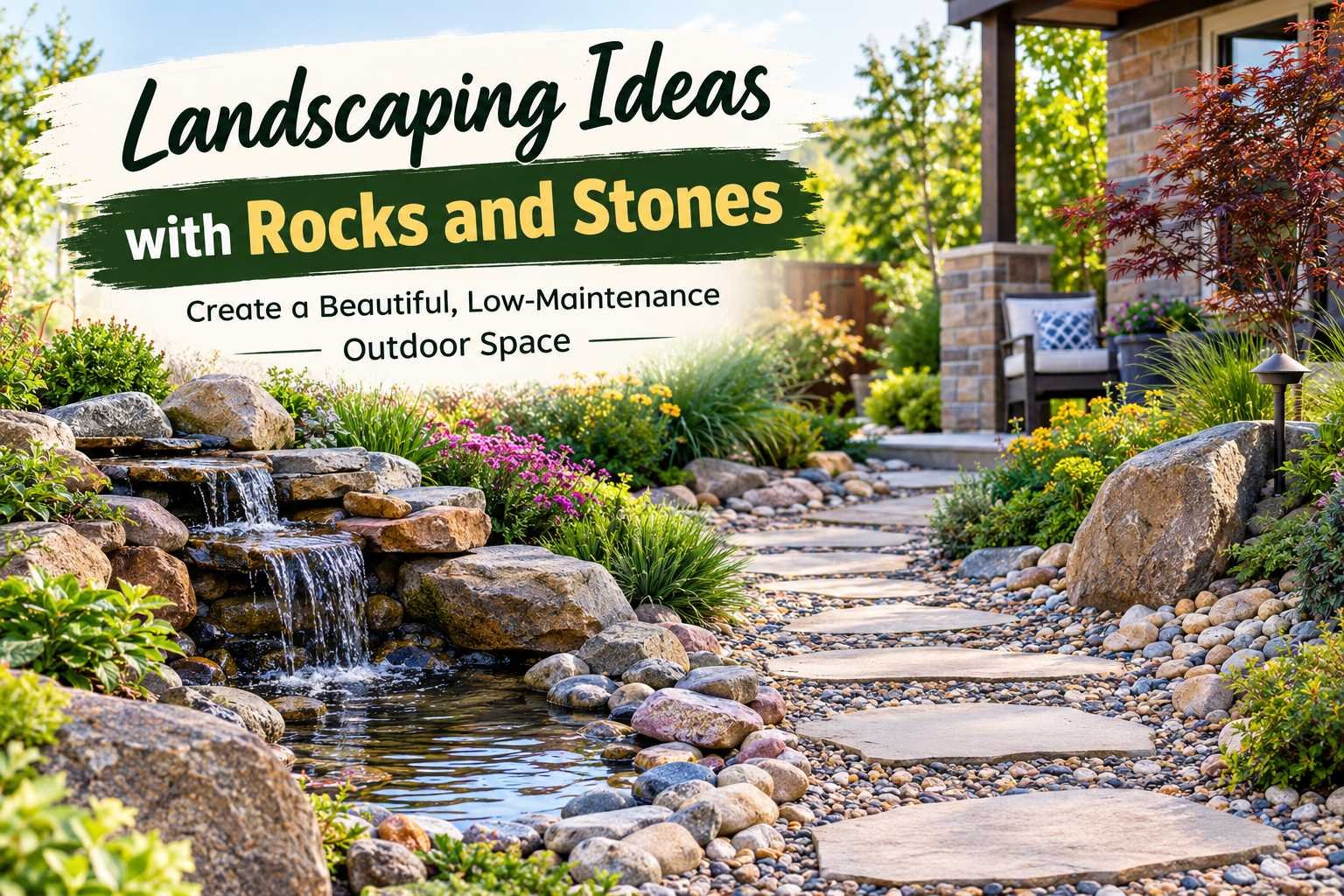
Making an outdoor space does not always need expensive materials or complicated projects. Landscaping ideas with rocks and stones offer a nice way to add texture, shape, and a natural look to gardens, yards, paths, and outdoor living areas. From rock borders to strong stone gardens, these materials can match almost any landscape style and need very little care.
No matter if you have a front yard, a big backyard, or a narrow garden area, rocks and stones can help you make an inviting space that looks nice all year long. In this guide, we look at 25 ideas, helpful design advice, and practical things to think about when using rocks and stones in your outdoor place.
Why Use Rocks and Stones in Landscaping?
Rocks and stones are popular for landscaping because they are strong and look nice. Unlike grass and many plants, decorative stones do not need watering, cutting, or trimming.
They can also do functional jobs:
- Mark garden beds
- Create walking paths
- Stop soil from washing away
- Help water drain
- Split parts of a yard
Another good thing is flexibility. Depending on their size, color, and feel, rocks can make anything from a simple modern look to a country garden feel.
25 Creative Landscaping Ideas with Rocks and Stones
1. Create a Decorative Rock Garden
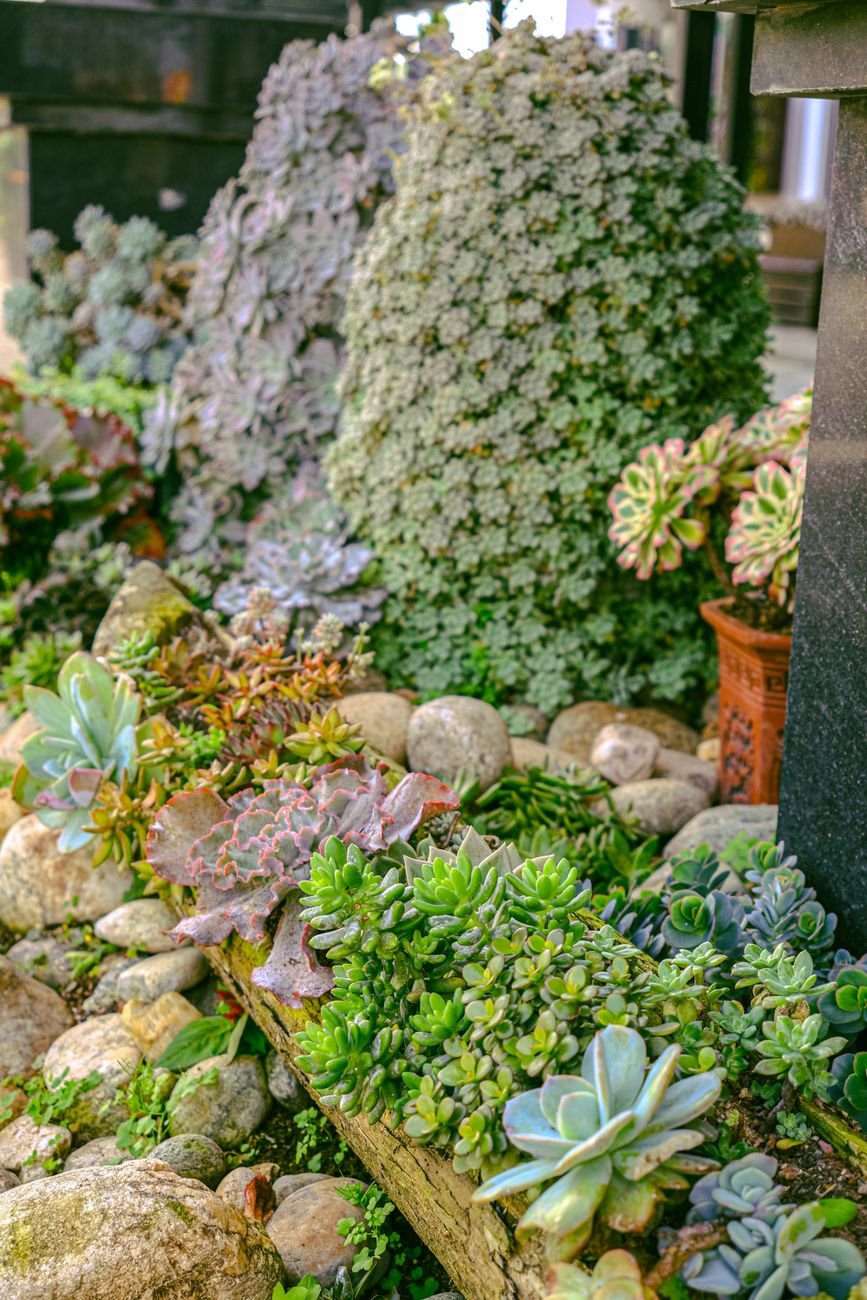
One of the most popular landscaping ideas with rocks and stones is a special rock garden. Pick an area of your yard and place rocks of different sizes around plants that do not need much water. Big rocks can be a main focus point while smaller stones fill spaces between plants like succulents, ornamental grasses, and other easy-to-care-for plants. To look natural, group rocks together so they appear naturally formed.
2. Build a Stone Garden Border
A stone edge can greatly improve the look of a garden bed. Put sized stones along the edge of flower beds, vegetable gardens, or areas with bushes. The border makes a clean line between planting areas and grass or paths while keeping mulch or soil in place. Choose stones that match the outside colors of your house for a cohesive look.
3. Design a Rock Pathway
A stone path can make your yard more useful while adding visual appeal. Flat stones can be placed through grass, gravel, or planting areas. For a natural garden, irregular natural stones look organic; for modern yards, rectangular or square blocks create cleaner lines.
4. Combine Gravel with Large Boulders
Putting gravel with big stones creates contrast and depth. Spread gravel in a selected area and place several big stones in a smart, intentional layout. This works well for yards that need less care. Plants placed between the rocks soften the hard surfaces.
5. Make a Dry Creek Bed
A dry creek bed is both nice to look at and useful. It mimics a natural stream while helping rainwater move safely through parts of your yard. Start with larger stones on the sides and use smaller rocks and gravel in the middle, curving the bed to look natural.
6. Create a Modern Rock Landscape
If you like clean design, rocks and stones can make a simple, sleek yard. Use stones, gravel, geometric planting areas, and carefully chosen plants. Keep the color choices simple—black, gray, white, or neutral-colored stones go well with modern architecture.
7. Add Rocks Around Trees
Soil around trees can sometimes make a yard look incomplete. Decorative stones can make a polished look around tree trunks. Use a mix of river rocks and bigger stones to make a natural tree bed, but leave space around the trunk so you do not hurt the tree.
8. Build a Rock-Filled Flower Bed
Instead of using mulch in a flower bed, think about using decorative stones around your plants. This keeps the area looking organized while letting flowers and leaves stand out.
9. Create a Stone Retaining Wall
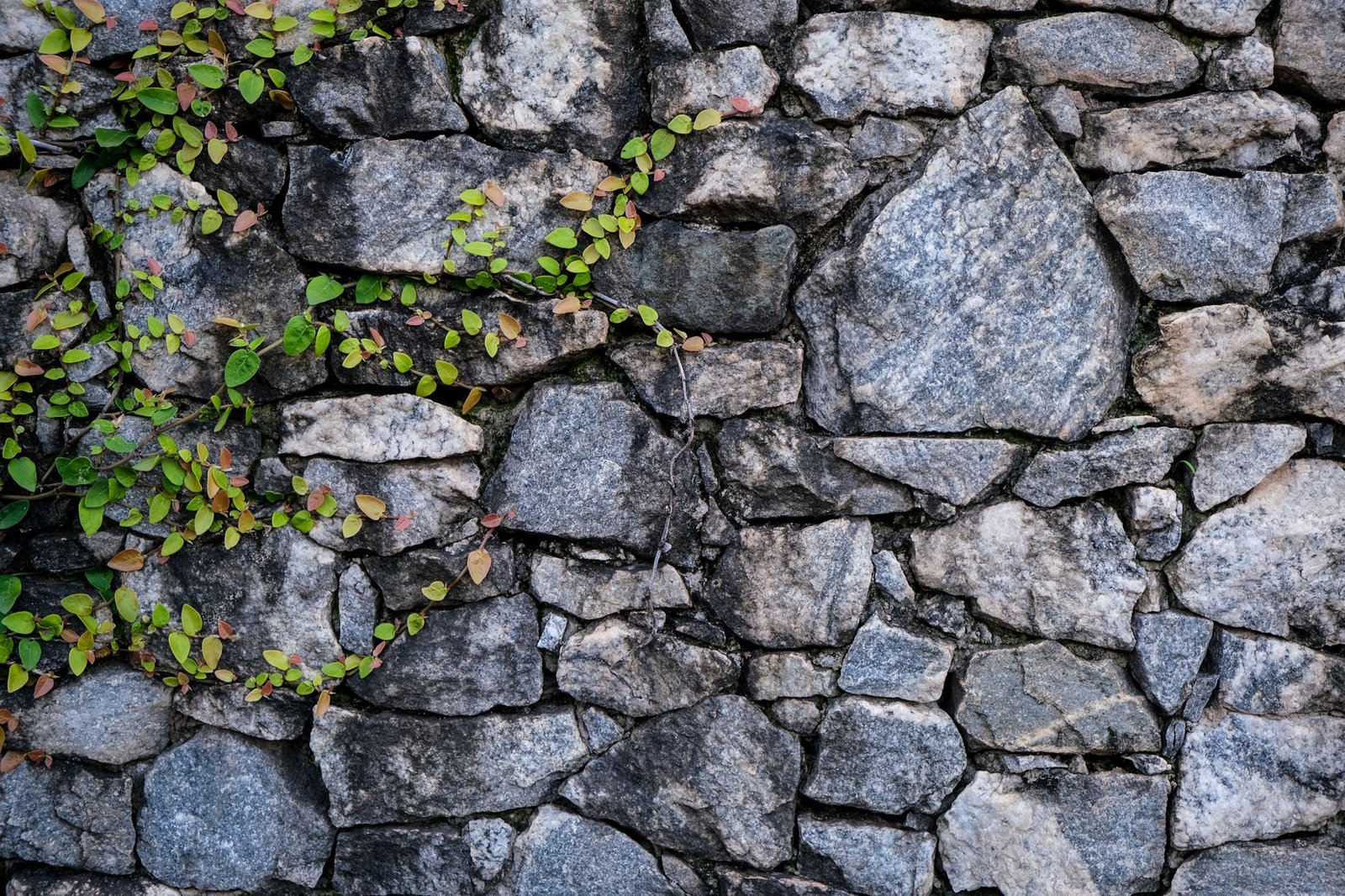
If your yard is sloped, a wall can add structure and curb appeal. Natural stone walls separate parts of a garden while helping keep soil from moving. Planting flowers, grasses, or bushes near the wall softens its structure.
10. Use River Rocks Around a Water Feature
River rocks are great for creating a natural look around ponds, fountains, and waterfalls. Their smooth shapes create a gentle transition between water and nearby plants.
11. Create a Low-Maintenance Front Yard
Replacing parts of a lawn with gravel and stones cuts down on mowing and watering. Make planting areas with bigger rocks and fill empty spots with gravel, adding drought-tolerant plants for color and texture.
12. Design a Stepping-Stone Garden
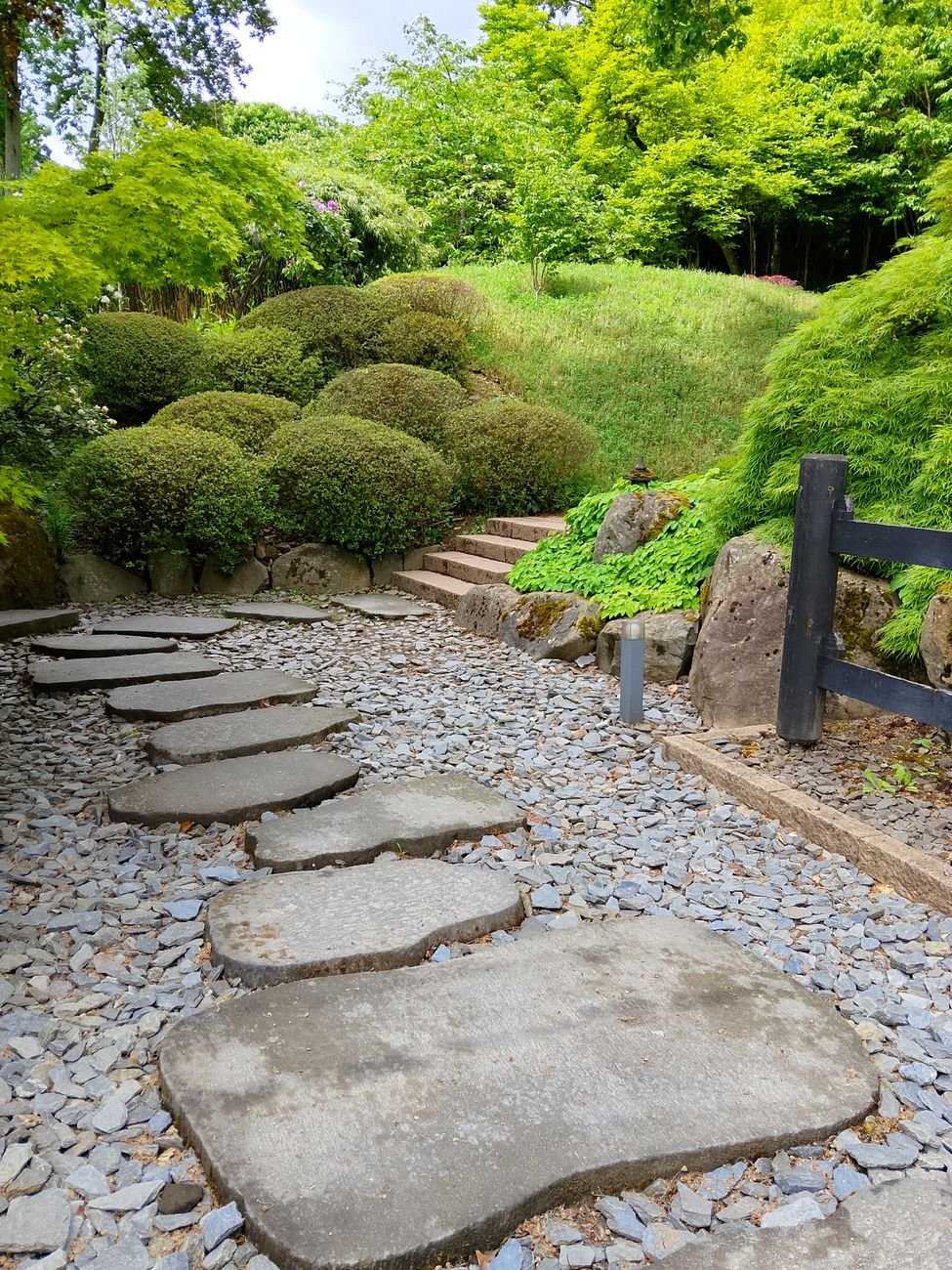
Stepping stones guide people to a sitting area, garden gate, or outdoor feature. Place flat stones at a comfortable walking distance through grass, gravel, or ground cover, and surround them with low-growing plants for a soft look.
13. Add Decorative Stones to a Patio
Your patio does not have to end at a sharp line. Decorative rocks around the edges create a soft transition between the hard surface and the garden.
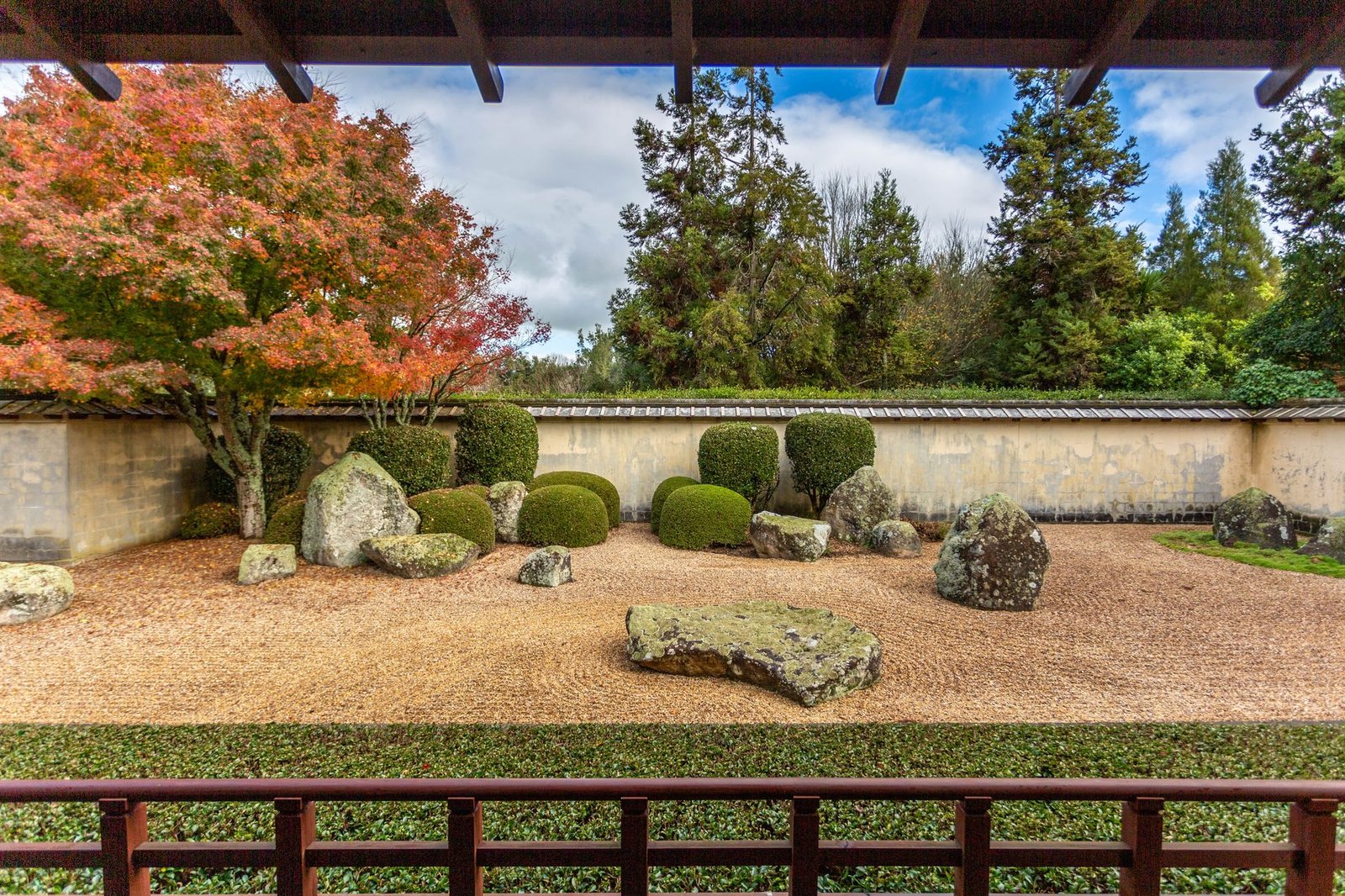
14. Create a Zen-Inspired Garden
Rocks and gravel are central elements of Japanese-style garden designs. Place stones carefully as balance points and make simple, clean patterns with gravel to encourage simplicity and calm.
15. Make a Rock Focal Point
Sometimes one large, unique rock can make a bigger impact than many small ones. Choose a boulder with an interesting shape or color, put it where it can be seen from a window or patio, and frame it with stones and plants.
16. Combine Rocks with Ornamental Grasses
Ornamental grasses give movement and softness, while rocks add structure and permanence. Planting clusters of grasses between stones creates a timeless contrast for modern or country gardens.
17. Create a Gravel Seating Area
For a simple outdoor sitting space without building a paved patio, clear a flat area, lay down landscape fabric, and cover it with gravel. Place benches, chairs, or a small table on top.
18. Use Stones to Define Outdoor Zones
Large yards can feel disconnected without clear boundaries. Use stones to mark separate zones, such as a dining area, lawn, garden bed, or fire pit spot.
19. Create a Rustic Stone Garden
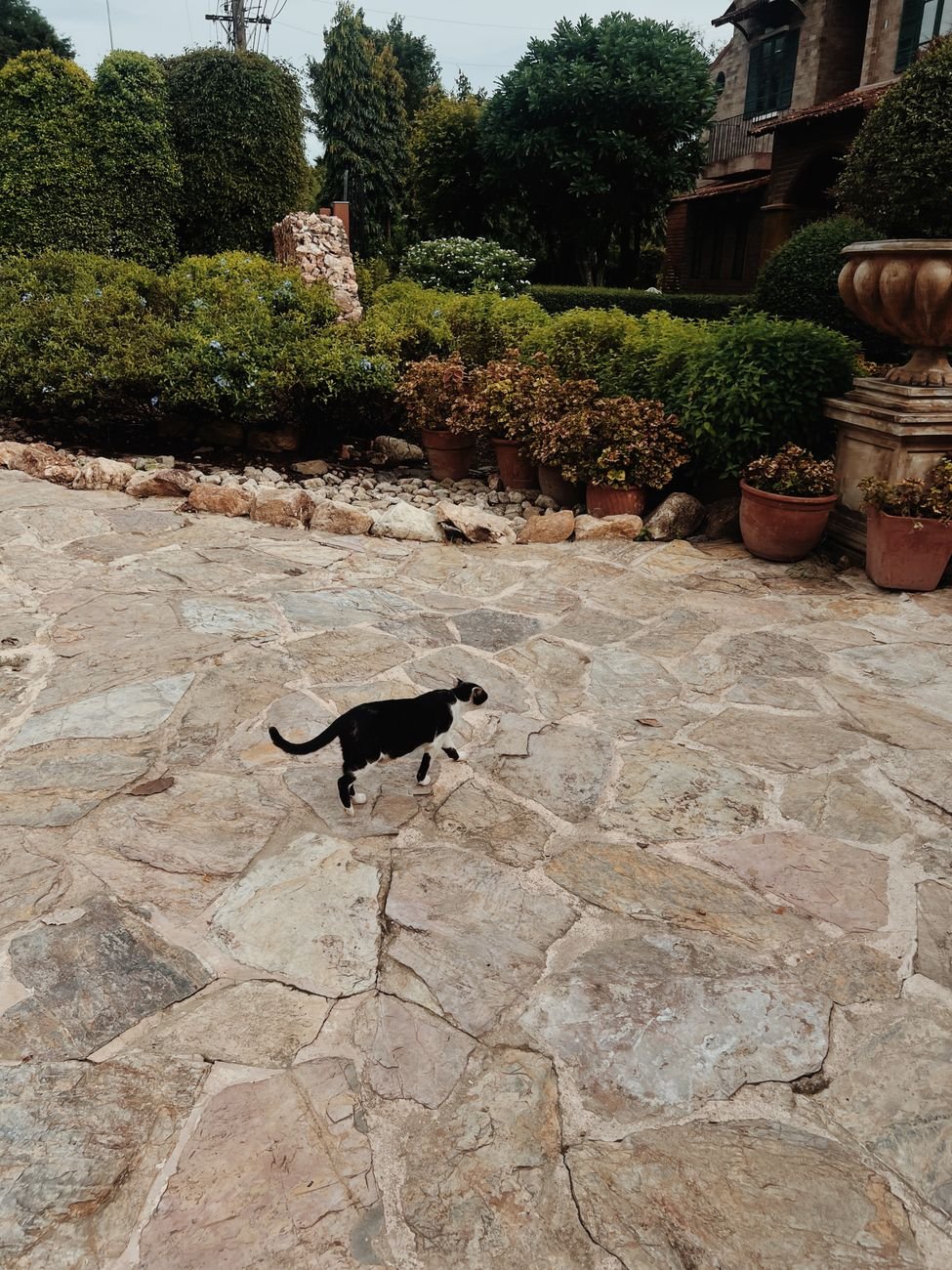
For a country-style yard, choose natural, rough-cut stones and mix them with flowing flowers, wildflowers, grasses, and climbing plants without making the arrangement look too neat.
20. Add a Stone Waterfall
A waterfall adds sound and movement to a backyard. Big stones form the main structure, while smaller rocks hide edges and pump elements to keep the feature looking natural.
21. Create a Rock Border Along a Driveway
Driveways look more intentional with stone edges. Use rocks on the outer border with smaller gravel or planted areas closer to the driveway to organize the yard cleanly.
22. Mix Stone Colors Carefully
Combine colors that complement your home’s exterior. For example, light gray gravel pairs well with dark slate, while warm tan stones match brick or wood. Stick to two or three tones to avoid a cluttered look.
23. Create a Small Rock Garden in a Limited Space
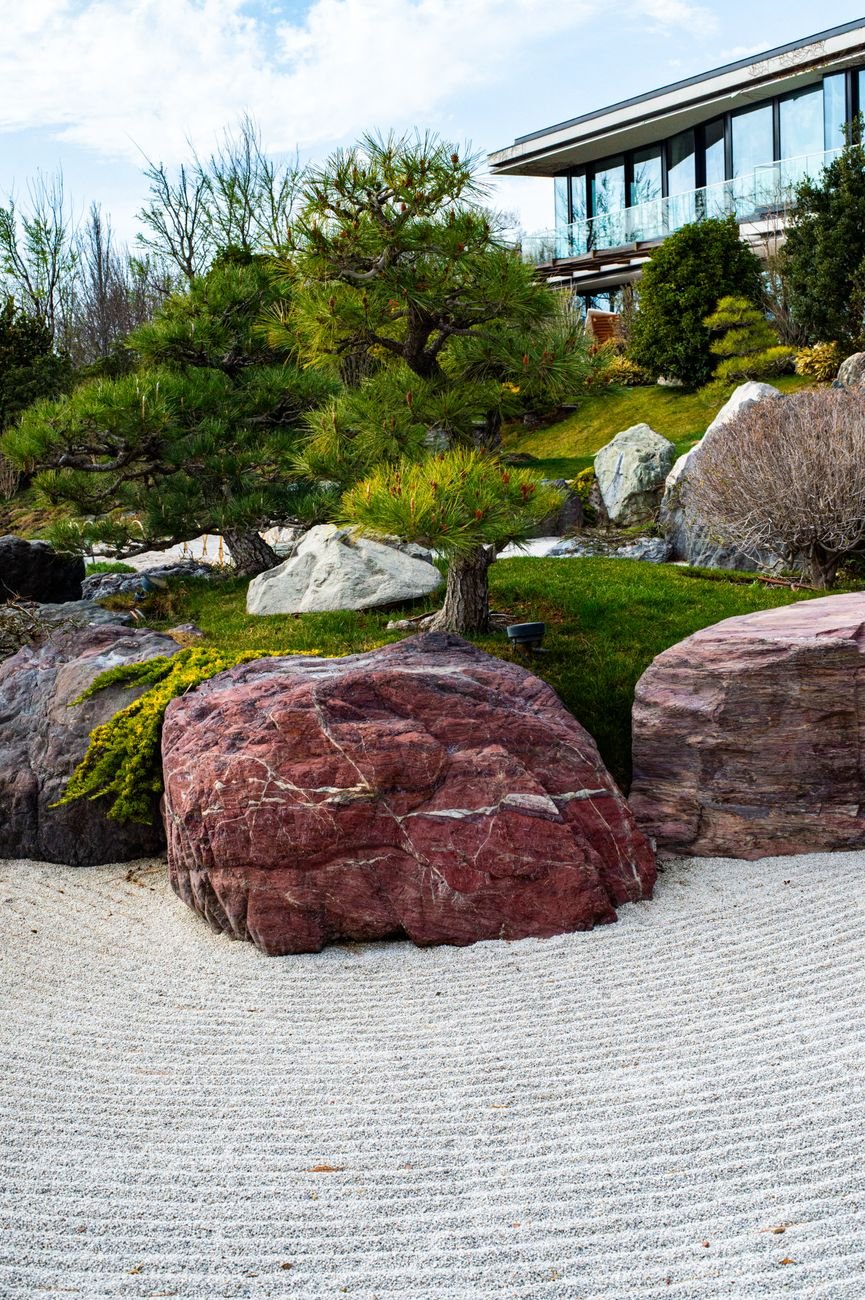
You do not need a large property to use rocks creatively. A narrow side yard, balcony garden, or small front bed can fit a compact rock arrangement with a few statement stones and containers.
24. Use Rocks for Erosion Control
On sloped properties, strategically placed rocks slow down water runoff and reduce soil displacement. Combine stone terracing and drainage channels with plant roots for the best protection.
25. Create a Natural-Looking Backyard Landscape
Mix rocks, native plants, shrubs, and irregular pathways for a relaxed environment that connects seamlessly with the surrounding nature.
Planning & Execution Guide
How to Choose the Right Landscaping Stones
- Size: Use small gravel for pathways and drainage, medium stones for garden borders, and large boulders as visual anchor points.
- Color: Match your home’s exterior, roof, and fencing colors so the stones complement rather than clash.
- Texture: Smooth river rocks offer a calm, aquatic feel, while angular crushed stones give a rugged or modern look.
- Function: Pick materials based on heavy foot traffic, drainage requirements, or structural needs.
Tips for Arranging Rocks Naturally
- Place large anchor boulders first before adding smaller stones.
- Partially bury large stones so they look established rather than dropped on top of the dirt.
- Avoid rigid symmetry; group stones in odd numbers and asymmetrical clusters.
Plants That Work Well with Rock Landscaping
- Succulents
- Ornamental grasses
- Lavender
- Groundcovers
- Wildflowers
- Small shrubs & drought-tolerant perennials
How to Keep a Rock Landscape Looking Clean
- Use a leaf blower or light rake to remove organic debris from between stones.
- Install high-quality landscape fabric beneath stones to limit weed growth.
- Replenish or wash gravel periodically to maintain visual appeal.
Common Mistakes to Avoid
- Using too many stone types: Mixing too many shapes and colors creates a chaotic look.
- Ignoring drainage: Ensure rocks do not trap standing water against building foundations.
- Choosing unsafe pathway stones: Avoid slick or overly uneven stones for main walking routes.
- Overcrowding plants: Give plants room to mature around stone borders.
- Piling rocks against tree trunks: Leave clear space around trunks to protect root health.
Frequently Asked Questions
Are rocks good for landscaping?
Yes. Rocks provide low-maintenance groundcover, durable pathways, clear garden borders, and effective erosion control.
What rocks are best for a garden?
It depends on the function. River rocks, pea gravel, flagstone, and decorative boulders are among the most versatile options.
Is rock landscaping maintenance-free?
While it requires much less care than a grass lawn, it still needs occasional weed removal, debris clearing, and stone repositioning.
Should rocks be placed directly around trees?
You can surround trees with rocks, but avoid stacking stones directly against the trunk to prevent pest and moisture damage.
Conclusion
Beautiful outdoor spaces can be created without relying on expensive landscaping features. From borders and rock gardens to pathways, dry creek beds, and gravel seating areas, landscaping ideas with rocks and stones provide countless ways to improve the appearance and functionality of a yard.
The key is to choose materials that match your home’s style, climate, and practical needs. By combining stone sizes thoughtfully, adding appropriate plants, and managing drainage, you can create a durable, attractive landscape that lasts for years to come.
1 thought on “Landscaping Ideas with Rocks and Stones: 25 Beautiful Ways to Transform Your Outdoor Space”