
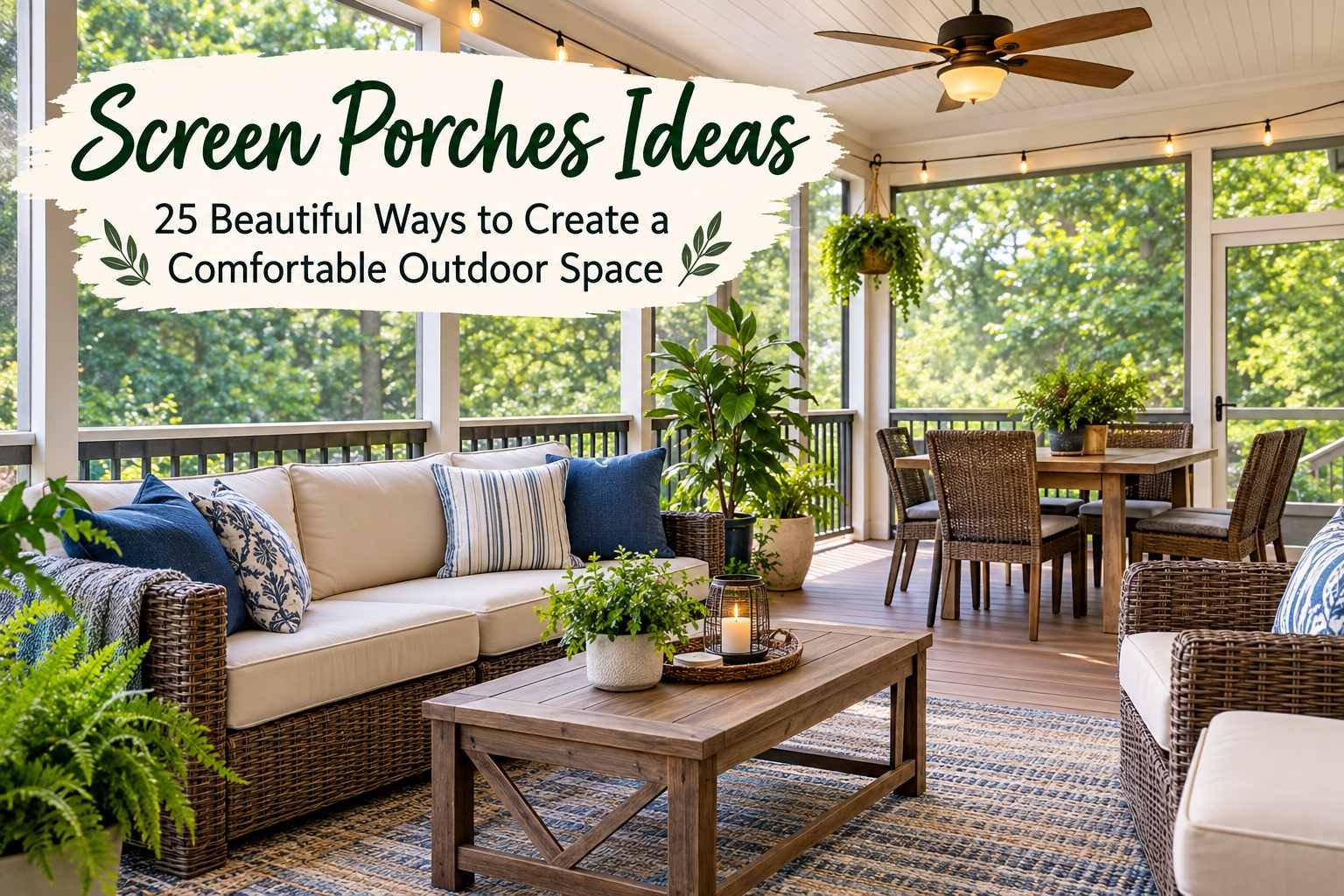
If you are looking for screen porches ideas, you have plenty of creative ways to transform an ordinary porch into a comfortable, stylish, and functional outdoor retreat. A screened porch can give you the feeling of being outdoors while providing protection from insects, harsh sunlight, and light weather. Whether you want a reading corner, an outdoor dining area, or a relaxing family space, the right design can make your porch one of the most enjoyable areas of your home.
A well-designed screened porch does more than add visual appeal. It can extend your living space, create a seamless connection between your indoor and outdoor areas, and provide a peaceful place to enjoy fresh air. The best design depends on your home’s architecture, available space, lifestyle, budget, and personal taste.
In this guide, we explore 25 beautiful ways to design a screened porch, covering furniture, lighting, flooring, color palettes, privacy solutions, plants, and decorating techniques.
25 Creative Screen Porches Ideas
1. Create a Cozy Outdoor Living Room
One of the best ways to make a screened porch useful is to treat it like an outdoor living room. Add a sofa, two chairs, a coffee table, and a few decorative cushions. Choose furniture designed for covered spaces so it can withstand changes in humidity and temperature. Arrange the seating around a central table to encourage conversation and make the area feel inviting. A large outdoor rug can help define the seating zone while adding warmth and color. If your porch is large enough, consider adding side tables or a storage ottoman.
2. Add a Comfortable Dining Area
A screened porch can be an ideal location for outdoor meals. Place a dining table in the center of the porch and surround it with comfortable chairs. For a classic look, choose a wooden table with simple chairs; for a contemporary style, consider metal furniture with clean lines. If space is limited, a round table may work better because it allows smoother movement around the room. A dining area is particularly useful for families who enjoy breakfast, dinner, or weekend gatherings outdoors.
3. Use a Swing or Hanging Chair
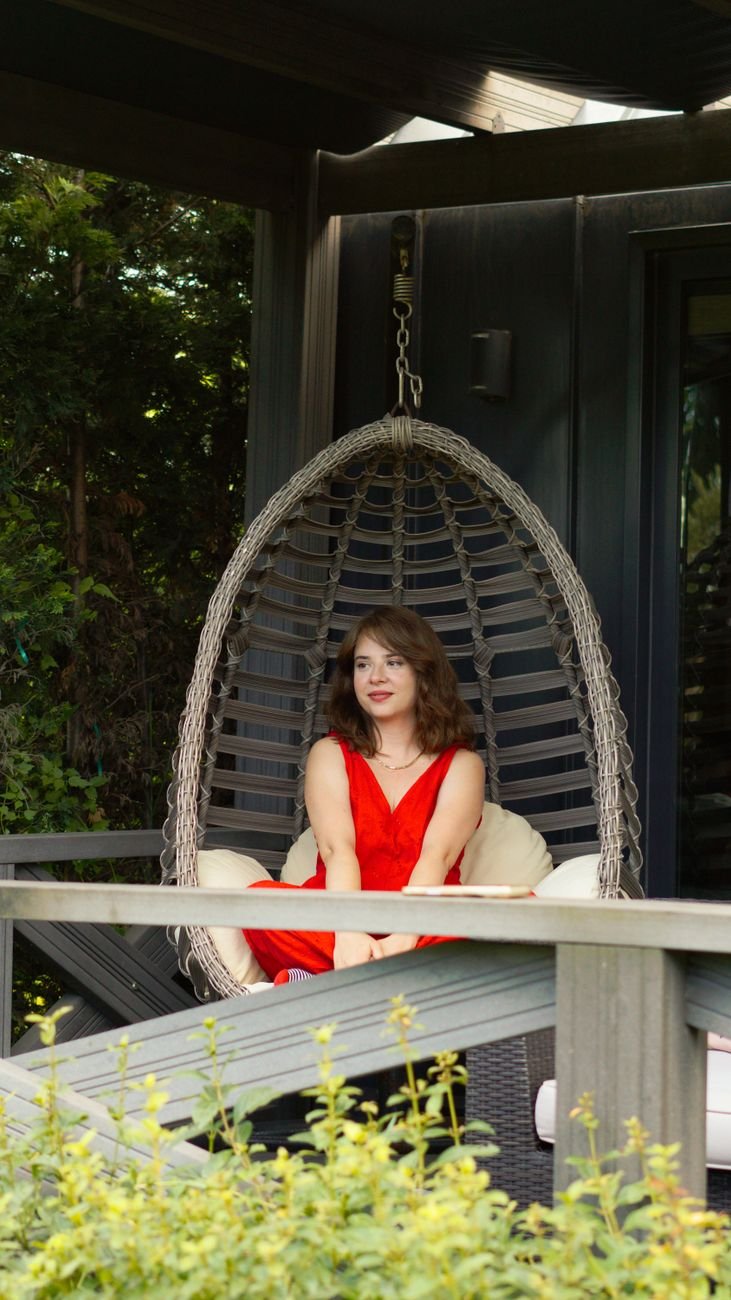
A porch swing can instantly make an outdoor space feel relaxing. If your ceiling structure can safely support it, install a swing in a location where it does not interfere with normal foot traffic. Alternatively, a hanging egg chair can provide a modern appearance while creating a cozy personal retreat. Add cushions and a soft throw blanket for comfort. This is one of the easiest ways to create a dedicated relaxation zone without filling the entire porch with furniture.
4. Install an Outdoor Ceiling Fan
Air circulation is important during warm weather. A ceiling fan can help keep your screened porch comfortable and reduce stagnant air. Choose an outdoor-rated fan designed for damp or humid areas. Consider the size of your porch before selecting the fan, as a small fan may not circulate air effectively in a large space. A ceiling fan can also become a design feature when its finish complements the furniture, lighting, and architectural style of the porch.
5. Choose the Right Flooring
Flooring has a massive effect on the overall appearance of a screened porch. Depending on the existing structure, you might choose wood, composite decking, tile, stone, or another suitable outdoor flooring material. Natural wood creates a warm, traditional appearance, while composite materials provide a low-maintenance alternative. Tile can give the space a polished look and offers many patterns and colors. If replacing the floor is not practical, an outdoor rug provides a quick way to refresh the appearance of the porch.
6. Layer with Outdoor Rugs
An outdoor rug can make a screened porch feel more like an interior room. It visually separates zones and adds soft texture underfoot. When choosing a rug, look for durable materials intended for semi-outdoor use. Bold patterns can hide dirt effectively, while neutral colors create a calm and timeless appearance. For a layered design, use a large rug beneath the primary seating area and smaller rugs in other functional zones.
7. Incorporate Layered Lighting
Thoughtful lighting can make your porch enjoyable long after sunset. Instead of relying on a single ceiling fixture, layer several types of lighting. Consider recessed lights, wall sconces, ceiling fixtures, table lamps rated for outdoor use, and decorative string lights. Layering light sources allows you to create brighter illumination for dining and softer, warmer lighting for relaxing in the evening.
8. Bring in Greenery and Houseplants
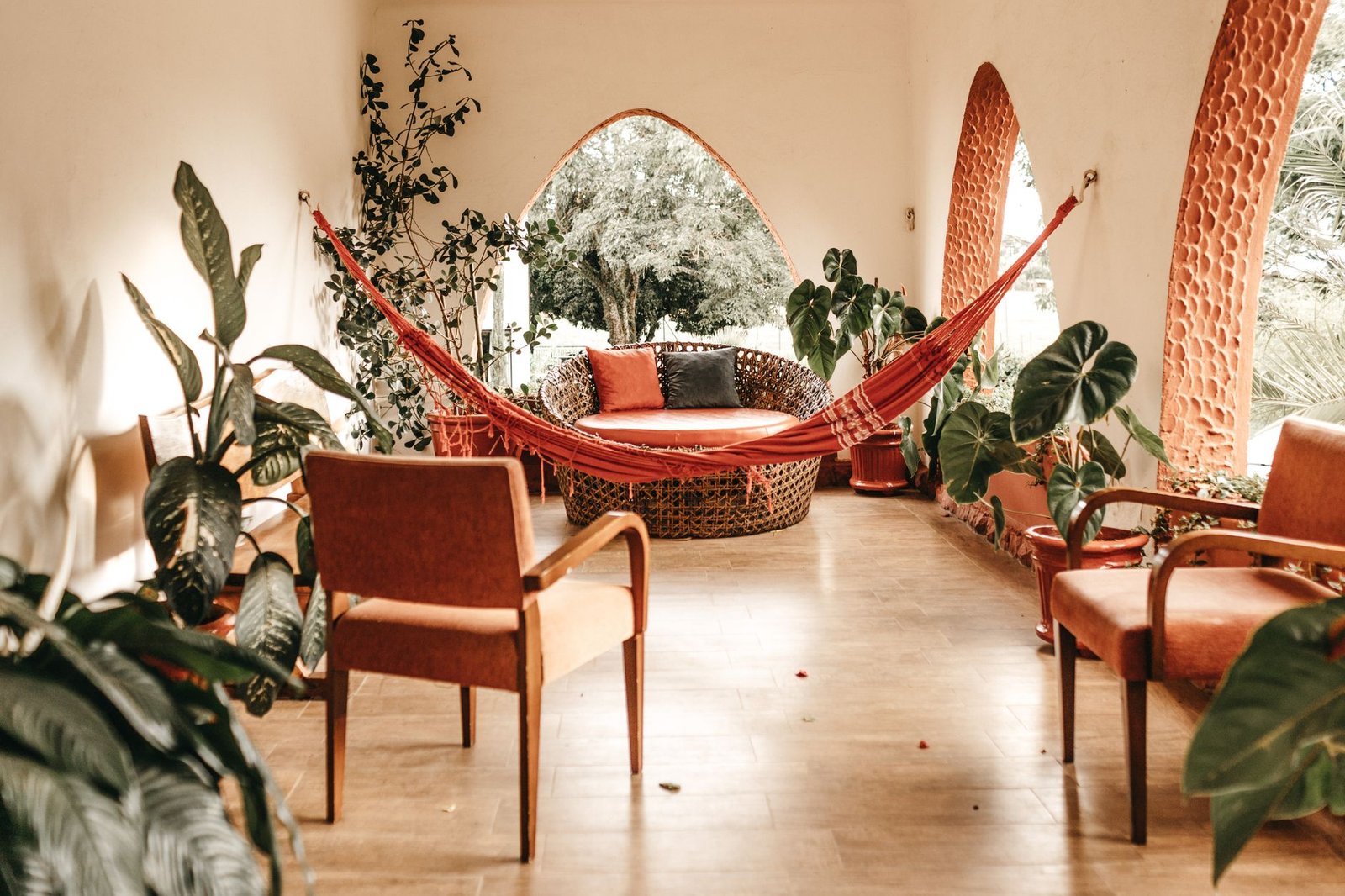
Plants can make a screened porch feel seamlessly connected to the surrounding garden. Use potted plants, hanging baskets, vertical planters, or small shade-friendly trees depending on the amount of available sunlight. Before choosing plants, observe how much direct and indirect light your porch receives throughout the day, and select varieties that thrive in those conditions. Large planters can also help define entrances or separate a dining area from a lounge area.
9. Create a Private Outdoor Retreat
Privacy is an essential consideration when designing a porch. If your property is close to neighbors, you can use outdoor curtains, privacy screens, tall potted plants, lattice panels, or strategically positioned furniture. Curtains are particularly effective because they can remain open during the day for maximum light and closed when you want privacy. Choose fabrics appropriate for the outdoor environment to ensure they resist moisture and fading.
10. Use Neutral Color Palettes
Neutral colors can make a screened porch feel sophisticated, calm, and timeless. Shades such as beige, gray, cream, and natural wood tones work exceptionally well with most architectural styles. You can introduce pops of accent color through cushions, artwork, rugs, planters, and decorative accessories. This makes it much easier to update the look seasonally without replacing expensive main furniture pieces. Neutral walls and flooring can also make a smaller porch appear much more spacious.
11. Try a Modern Screened Porch Design
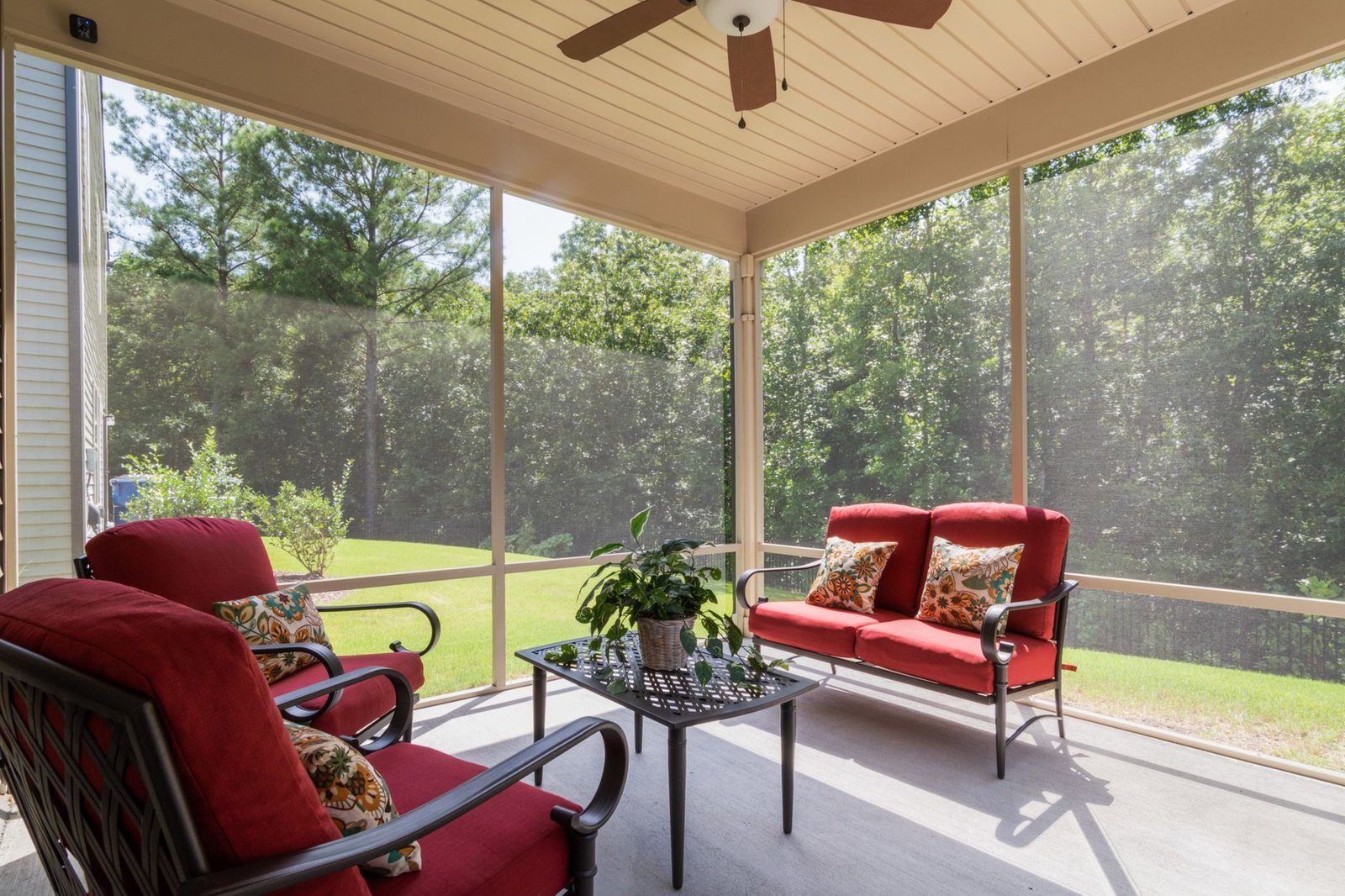
Modern screen porches ideas often focus on sleek shapes, minimal decoration, and a restrained color palette. Choose furniture with clean lines and combine materials such as powder-coated metal, natural wood, glass, and textured fabrics. Keep accessories intentional rather than overcrowding the space. Black-framed screens, contemporary lighting fixtures, and minimalist furniture create a crisp, upscale appearance that complements modern architecture.
12. Design a Rustic Outdoor Space
For a cozy, cabin-like atmosphere, incorporate natural materials and earthy colors. Wooden furniture, woven baskets, vintage-inspired accessories, and heavily textured fabrics create a warm environment. A reclaimed-wood coffee table or rustic dining table can easily become a stunning focal point. Add plush cushions and throw blankets to make the space suitable for extended relaxation. Rustic design works especially well when the porch overlooks a garden, wooded area, or natural landscape.
13. Create a Dedicated Reading Corner
You do not need a large porch to create a peaceful retreat. A single comfortable armchair, a small side table, a floor lamp, and a compact bookshelf can turn an unused corner into a dedicated reading nook. Position the chair where you can receive natural light without excessive glare. Add an accent pillow and a footrest for additional comfort. This approach is ideal for homeowners who want to give a compact porch a clear, purposeful layout.
14. Add a Fireplace or Outdoor Heater
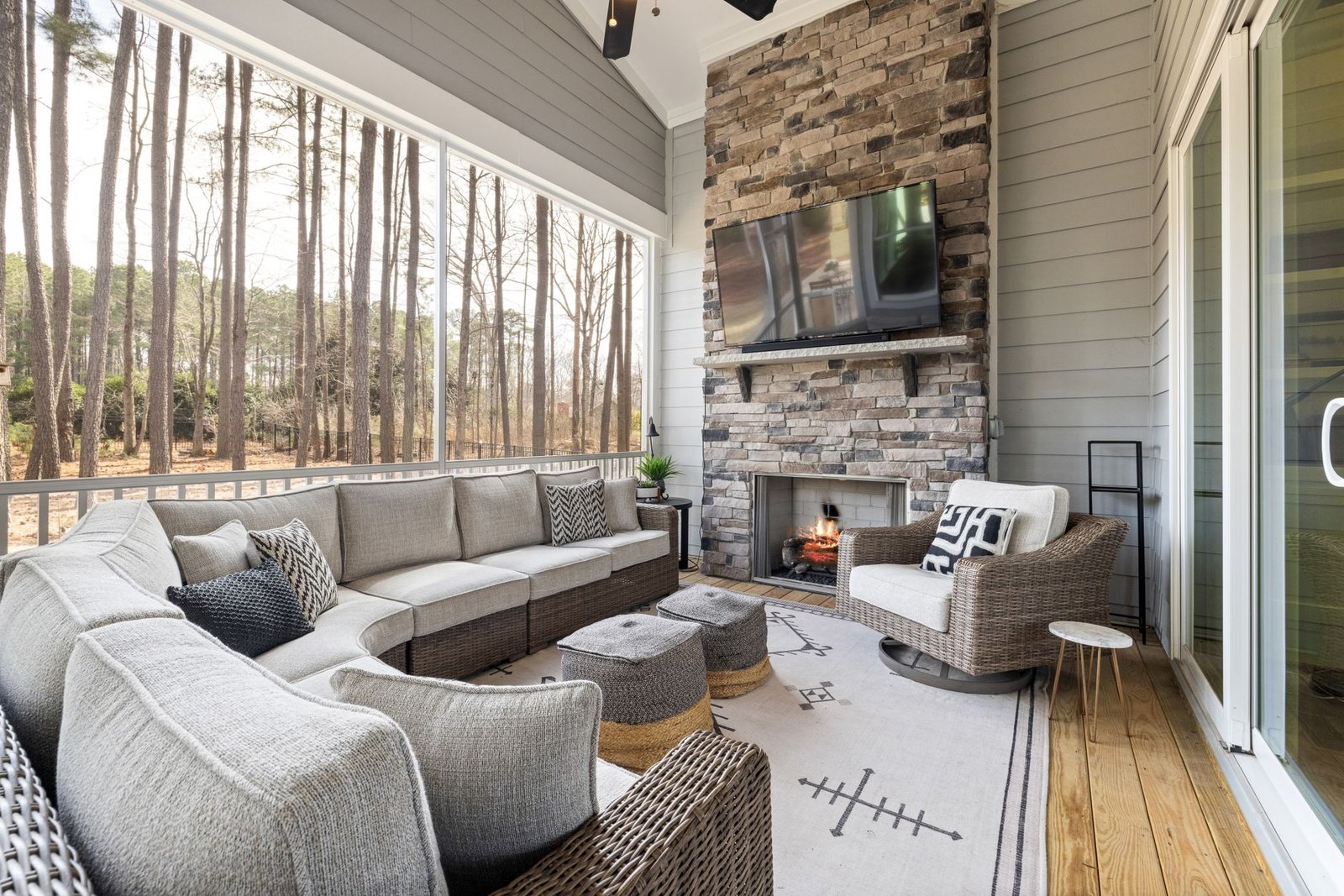
If your porch is engineered and approved for a heating system, a built-in fireplace or outdoor heater can extend its usefulness into the cooler autumn and winter months. A fireplace also serves as a captivating focal point around which you can arrange seating. Safety should always be a priority: any fireplace, heater, electrical equipment, or fuel-burning appliance must be installed according to local building codes and manufacturer guidelines.
15. Build an Outdoor Entertainment Zone
A screened porch can become a prime entertainment hub. Depending on its size and electrical setup, you could include a weather-resistant television, sound system, comfortable seating, and a small beverage station. Mounting a television securely on a wall saves valuable floor space, while a weather-appropriate cabinet can keep electronics, games, and accessories concealed when not in use.
16. Make the Porch Family-Friendly
If children or pets regularly use the space, prioritize durable, easy-to-clean materials. Choose sturdy furniture construction and stain-resistant performance fabrics that tolerate frequent use. Woven storage baskets or built-in cabinets provide an easy place to tuck away toys, games, and outdoor accessories. Keeping the central floor space open gives children room to play while allowing adults to maintain comfortable seating around the perimeter.
17. Install Built-In Bench Seating
Built-in benches maximize limited square footage. They can be installed along one or more walls and topped with custom-fitted cushions. A built-in bench can also feature hidden storage underneath the seat—providing an ideal place to keep extra blankets, pillows, games, or gardening accessories. Because built-in furniture becomes a permanent part of the architecture, select materials and wood stains that blend seamlessly with the porch’s existing structure.
18. Utilize Vertical Wall Space
When floor space is limited, look upward. Vertical planters, wall-mounted hanging baskets, outdoor artwork, floating shelves, and sconce lighting can add personality without consuming valuable floor area. Decorating vertically also draws the eye upward, making a compact porch feel taller and airier. Always ensure heavy wall decor is securely mounted to structural studs.
19. Incorporate Seasonal Decor
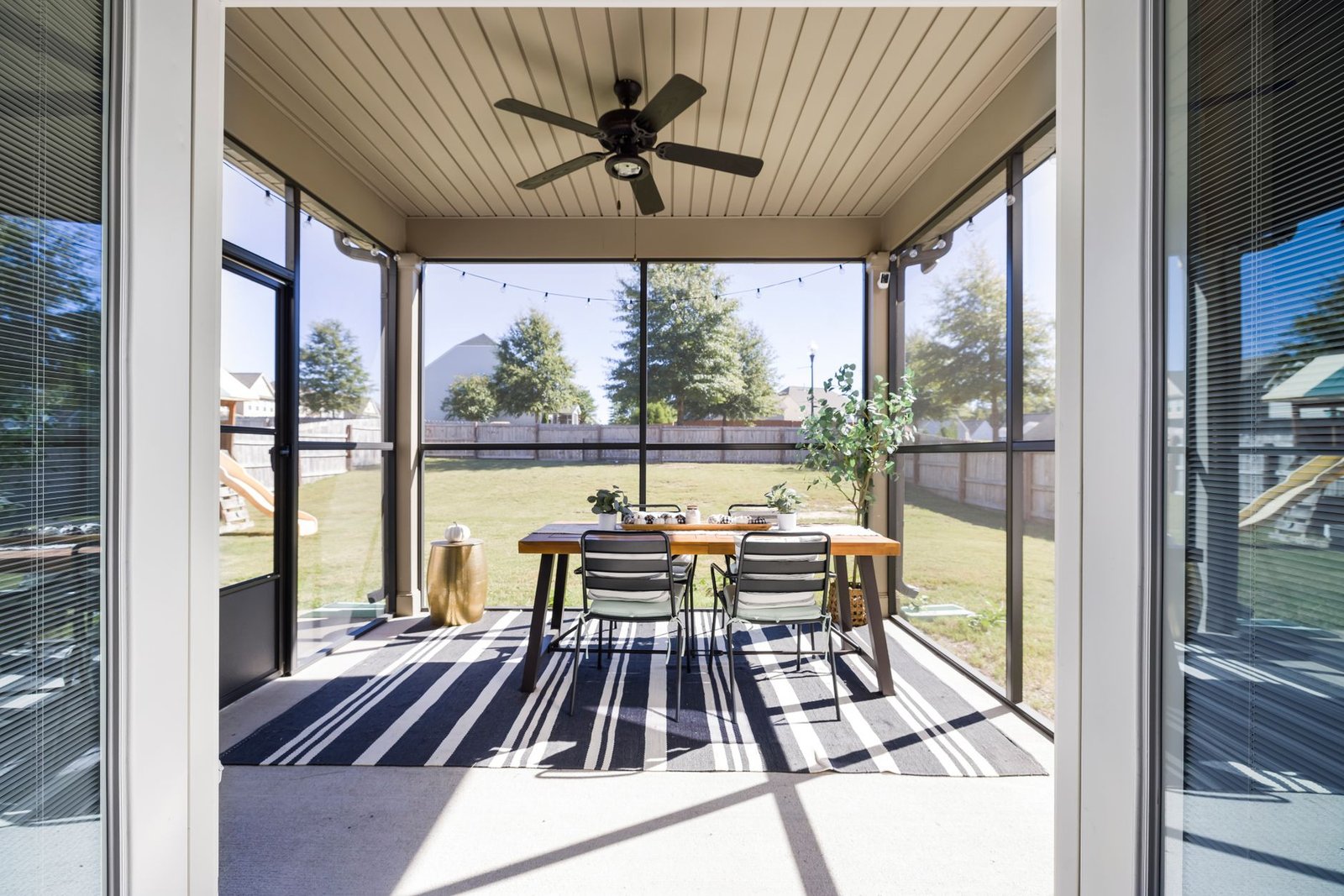
A major benefit of having a screened porch is how easily you can update its look throughout the year. Spring and summer call for vibrant flowering plants, light linens, and pastel cushions. Autumn allows for warm textures, plaid throws, and seasonal accents like pumpkins or lanterns. In the winter, layer heavy knitted blankets, ambient fairy lights, and weather-friendly cushions to maintain a cozy vibe.
20. Maximize Smart Storage Solutions
Storage is frequently overlooked during porch planning, yet dedicated storage keeps the area neat and functional. Consider multi-use storage benches, weather-resistant deck boxes, decorative baskets, or slim shelving units. Keep items you use daily within easy reach, while tucking seasonal accessories away in covered storage containers. Effective storage prevents clutter and simplifies outdoor cleaning.
21. Create a Seamless Indoor-Outdoor Flow
A screened porch works best when it feels like a natural extension of your home’s interior. Match color schemes, materials, and design aesthetics between the adjacent indoor room and the porch. For instance, if your adjoining living room features light oak and cream-colored fabrics, carry those same tones out onto the porch. Large glass sliding doors or wide French doors help reinforce this connection.
22. Layer Soft Outdoor Textiles
Soft items are key to making an outdoor space feel luxurious and cozy. Combine cushions, accent pillows, throw blankets, and outdoor drapes in complementary colorways. Choose high-performance fabrics designed to withstand humidity, dust, and temperature fluctuations without fading or molding. Mixing textures—like chunky wovens, crisp outdoor linens, and durable upholstery—adds visual depth without overwhelming the space.
23. Divide the Porch into Functional Zones
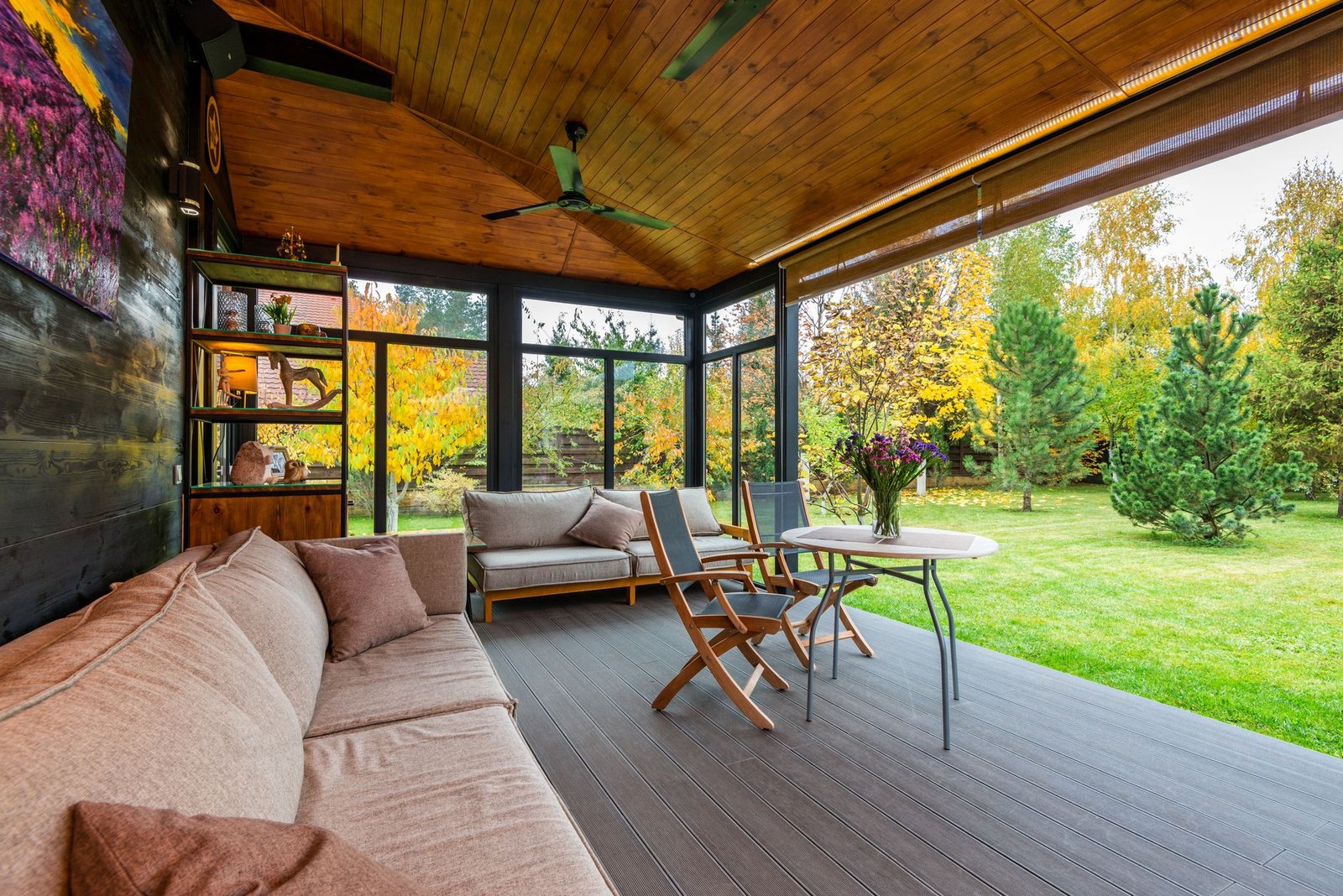
If you have a large porch, dividing it into distinct functional zones makes it far more practical. For example, assign one side to dining and the other to conversation or lounging. You can clearly delineate zones using area rugs, furniture placement, large planters, lighting arrangements, or decorative standing screens. This prevents large porches from feeling like empty, unorganized halls.
24. Try a Chic Black and White Color Scheme
A crisp black and white color scheme creates a bold, modern, and high-contrast look. Use black accents on furniture frames, lighting fixtures, planters, or screen door trim while keeping walls and cushions lighter. Incorporate natural wood tones to soften the contrast and prevent the space from feeling stark. Finish the look with leafy green plants for a fresh, sophisticated atmosphere.
25. Keep It Simple and Intentional
Sometimes the best design is the simplest one. A few high-quality furniture pieces, good lighting, a few lush plants, and comfortable fabrics are often all you need to create a great screened porch. Before purchasing items, reflect on how you will actually use the space. A porch built around your real lifestyle will always be more satisfying than one filled with decor that looks nice but lacks utility.
How to Plan Your Screened Porch Project
Before starting your design or decorating project, consider these fundamental steps:
- Measure the Area: Accurately measure the length, width, and ceiling height of your porch before shopping. Ensure you leave adequate clearance (at least 30–36 inches) for walkways between furniture pieces.
- Determine the Primary Function: Decide whether your porch will primarily serve as a dining area, a lounge, an entertainment space, a reading nook, or a multi-purpose room.
- Analyze Sun Exposure: Observe how sunlight moves across the porch throughout the day. Sun exposure determines whether you need privacy shades, UV-resistant fabrics, or specific sun- or shade-loving plants.
- Consider Maintenance Requirements: Select materials based on how much time you are willing to spend maintaining them. Low-maintenance composite materials and performance fabrics are ideal for busy lifestyles.
- Establish a Clear Budget: Define your overall budget before buying furniture and decor. Allocate funds first to foundational items like seating, dining tables, and lighting before purchasing secondary accessories.
Common Screened Porch Design Mistakes to Avoid
Even a beautiful porch layout can become uncomfortable if basic planning guidelines are ignored:
- Choosing Oversized Furniture: Placing bulky furniture in a small space restricts movement and makes the porch feel cramped.
- Neglecting Lighting Options: A porch that looks wonderful during the day becomes unusable at night if you rely on a single dim overhead bulb.
- Using Indoor-Only Materials: Using standard interior fabrics or unsealed wood furniture outdoors can lead to rapid mildew, fading, and deterioration.
- Overcrowding the Space: Filling every square foot with decor leaves no visual breathing room. Keep walkways clear to make the space feel open and restful.
Frequently Asked Questions (FAQ)
What is the best furniture for a screened porch?
The best furniture depends on your primary use, but teak, powder-coated aluminum, resin wicker, and synthetic rattan are top choices. Look for quick-drying cushions covered in solution-dyed acrylic performance fabrics (such as Sunbrella) designed for covered outdoor environments.
How can I make my screened porch feel warm and inviting?
Layer soft textures using outdoor rugs, plush throw pillows, and cozy blankets. Incorporate warm-toned lighting (around 2700K), add potted plants, and choose comfortable seating layouts that encourage conversation.
What colors work best for a screened porch?
Neutral colors—such as beige, cream, soft gray, taupe, and natural timber tones—serve as timeless foundations. They reflect light well and blend with outdoor landscapes. You can easily add pops of color using accent pillows, planters, and rugs.
How do I decorate a small screened porch?
Focus on multi-functional, slim-profile furniture, such as a bench with hidden storage or folding dining sets. Utilize vertical wall space for planters and sconce lights to keep the floor clear and open.
Can I use regular indoor furniture on a screened porch?
It is generally not recommended. Even fully screened porches experience outdoor humidity, condensation, temperature shifts, pollen, and dust. Indoor furniture can warp, grow mold, or fade quickly under these conditions.
How can I make my screened porch more private?
Hang outdoor curtains, install bamboo roll-up shades, place tall potted plants (like bamboo or palms) near the screens, or add decorative lattice panels along side walls.
What is the best flooring for a screened porch?
Composite decking, outdoor porcelain tile, pressure-treated wood, and sealed stone are all excellent options. The best choice depends on your budget, local climate, weight restrictions of the underlying structure, and desired maintenance level.
Can I use my screened porch year-round?
Yes, provided you make proper adjustments for your climate. In cooler months, clear vinyl porch curtains, space heaters, or outdoor fireplaces can retain heat. In warmer months, ceiling fans and shade screens keep the area cool.
Final Thoughts
A screened porch can easily become more than just a buffer space between your house and yard. With thoughtful planning, it becomes a comfortable outdoor living room, a dining hall, a reading sanctuary, or an ideal gathering space for family and friends.
The most successful screen porches ideas prioritize your daily lifestyle. Start by defining how you want to use the space, then select scale-appropriate furniture, durable flooring, layered lighting, and personal decor that complements your home’s architecture. Focus on comfort, utility, and durability to create an outdoor retreat your family will enjoy for years to come.
1 thought on “25 Beautiful Screen Porches Ideas to Create an Outdoor Space”