
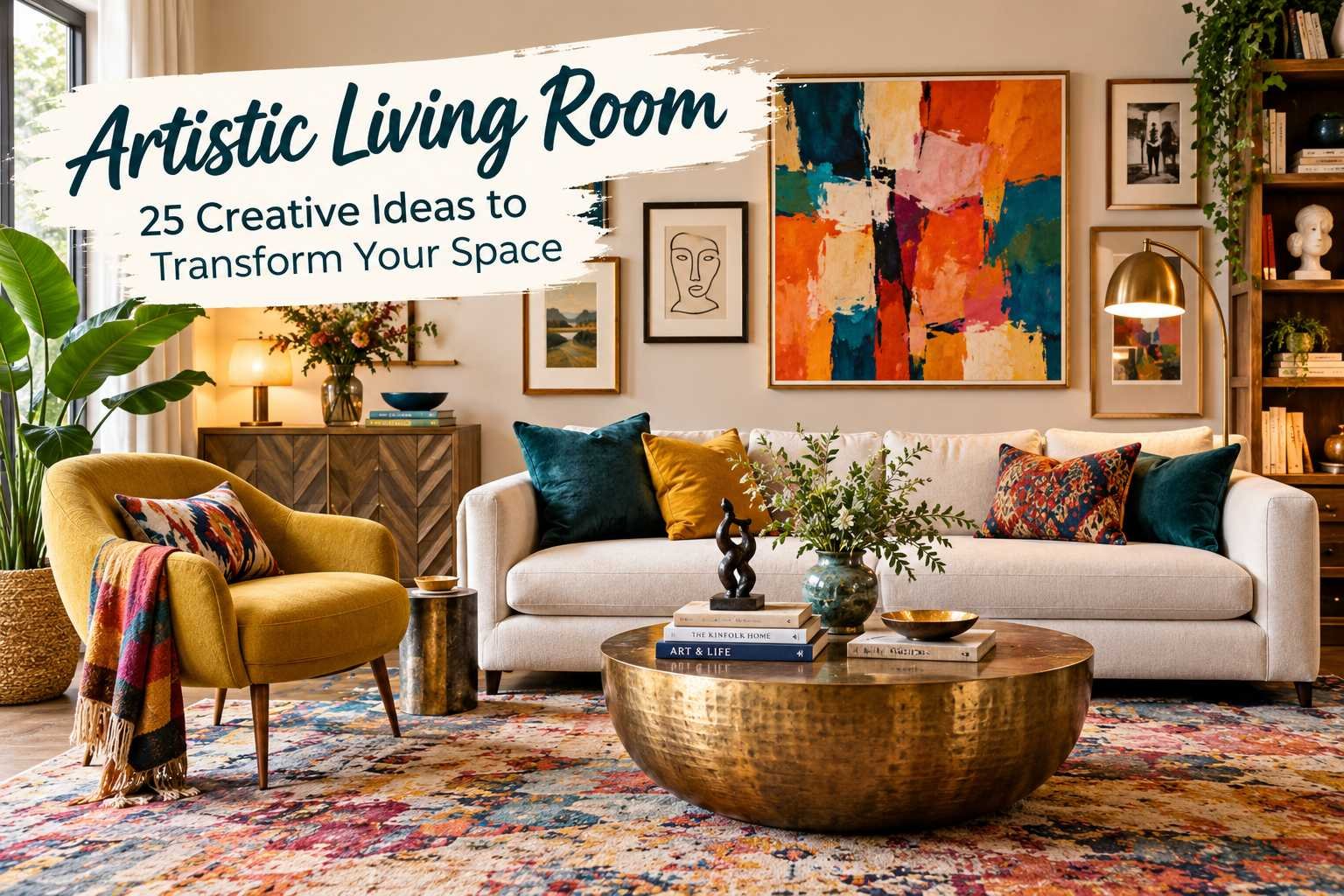
An artistic living room can turn an ordinary home into a visually inspiring and deeply personal space. Rather than following a single decorating formula, artistic interiors combine colors, textures, artwork, furniture, lighting, and decorative objects to create a room that reflects personality and creativity. Whether you prefer contemporary designs, colorful bohemian interiors, minimalist artwork, or an eclectic mix of styles, there are countless ways to make your living room feel artistic and unique.
Your living room is often one of the most used spaces in the home, making it an ideal place to experiment with design. You do not need an expensive collection of original paintings or designer furniture to achieve an artistic atmosphere—thoughtful choices, interesting combinations, and a willingness to experiment can make all the difference.
In this guide, we explore 25 ideas that can help you transform your living area into an expressive, comfortable, and visually interesting space.
What Makes a Living Room Artistic?
An artistic interior is not simply a room filled with paintings; it is a space where different design elements work together to communicate a mood or personality. While artwork is certainly important, furniture shapes, unusual accessories, architectural details, color combinations, lighting, and textiles all contribute to the overall effect.
The most successful artistic spaces usually feel collected over time rather than overly coordinated. A vintage chair can sit beside a modern sofa, while an abstract painting may complement a traditional rug. The goal is to create visual interest without making the room feel unnecessarily cluttered.
25 Creative Ideas for an Artistic Living Room
1. Create a Statement Art Wall
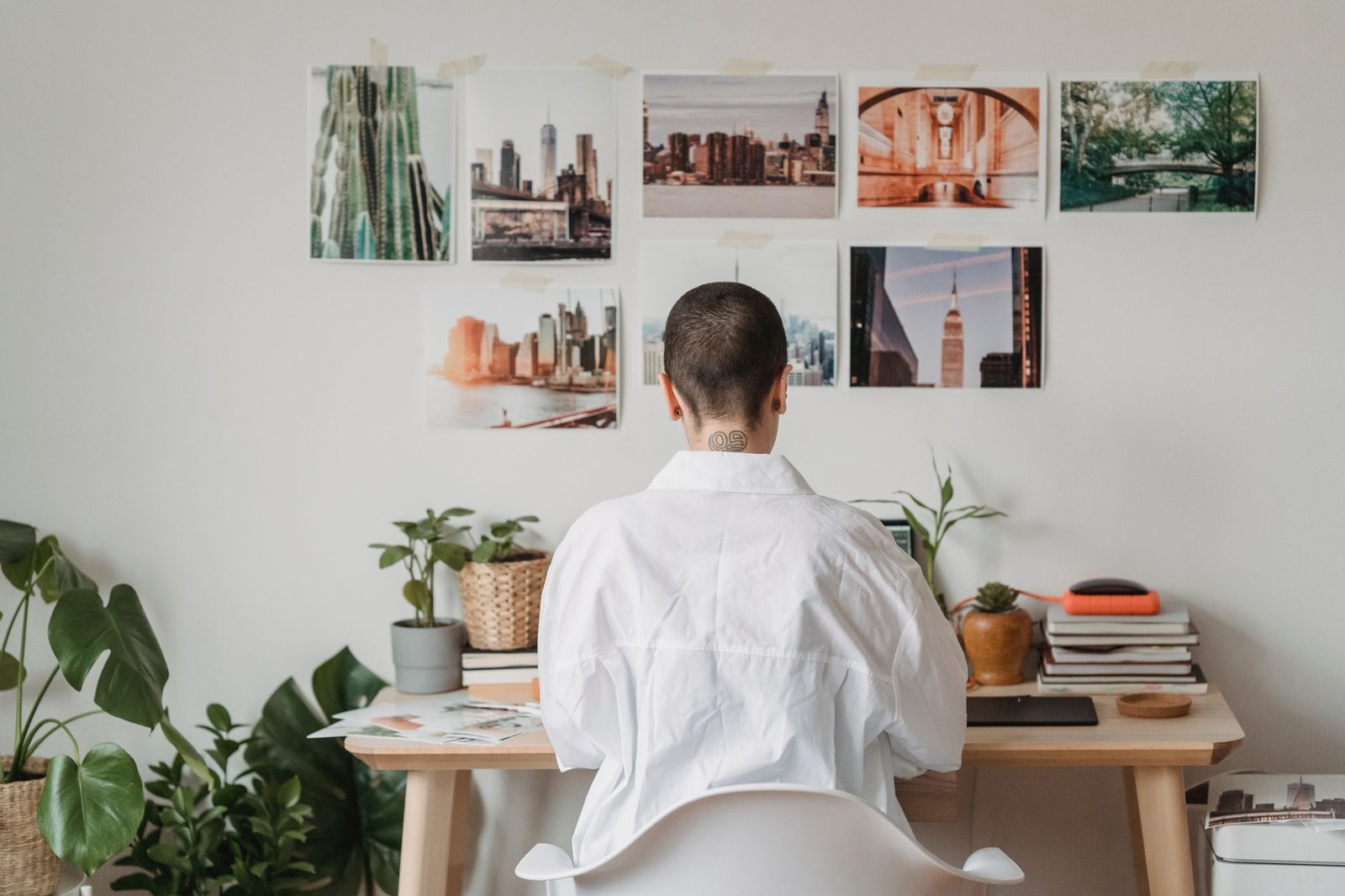
One of the most effective ways to introduce creativity is by designing a statement gallery wall. Instead of hanging one small piece above the sofa, consider creating a collection of paintings, prints, photographs, or illustrations. Mix frame sizes while maintaining a connection through color or subject matter, and arrange the pieces on the floor first to test compositions before hanging.
2. Choose an Oversized Artwork
A single oversized artwork can become the definitive focal point of your living room. Large abstract paintings, bold canvases, photographic prints, or contemporary artworks command attention without requiring surrounding decorative pieces. Place the artwork above a sofa, console table, or fireplace to anchor the room.
3. Experiment With Bold Colors
Color is a powerful tool for creating an artistic atmosphere. Deep green, terracotta, mustard yellow, cobalt blue, burgundy, lavender, or warm orange can create stunning accents. If you are nervous about using strong colors, start with cushions, artwork, curtains, or a single accent chair before committing to painted walls.
4. Add an Artistic Accent Chair
An unusual accent chair can function like a piece of sculpture. Look for unique silhouettes, unusual upholstery, curved forms, or vintage-inspired designs. Contrast adds interest: a neutral sofa paired with a vibrant or patterned chair creates an instant visual anchor.
5. Mix Modern and Vintage Pieces
Combining furniture from different periods gives a living room a collected, sophisticated appearance. Pair a sleek contemporary sofa with a vintage wooden coffee table or place a traditional cabinet beneath modern abstract art to prevent your home from looking like a showroom catalog.
6. Use Sculptural Furniture
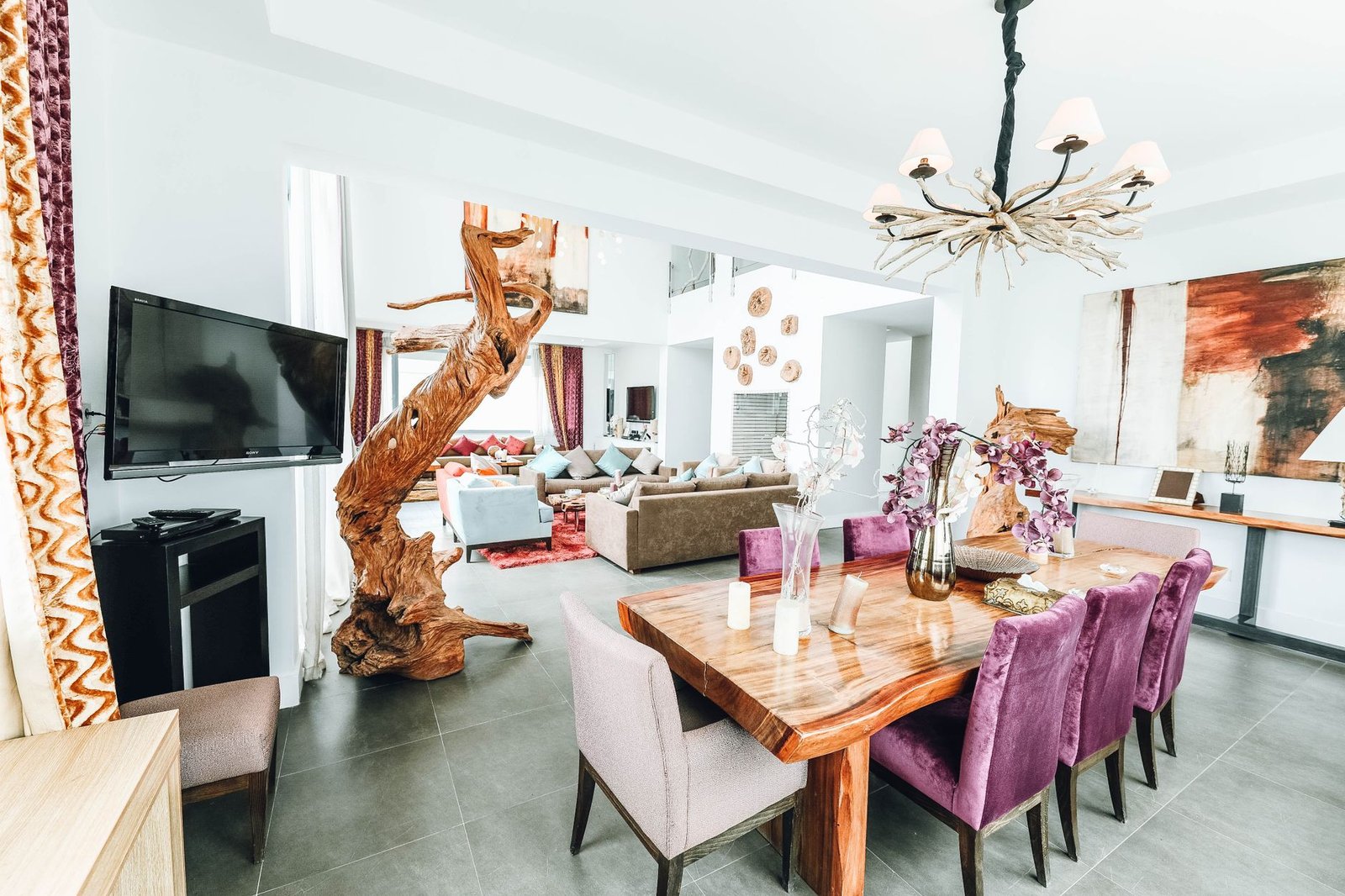
Furniture can be functional and artistic at the same time. Curved sofas, organically shaped side tables, and sculptural chairs introduce striking geometry. Choose one or two sculptural pieces as centerpieces while keeping surrounding furniture relatively simple.
7. Create a Gallery-Inspired Space
If you love museums, keep your background simple and allow artwork to take center stage. White, cream, gray, or soft beige walls provide a clean backdrop for colorful artwork, while track lighting or adjustable floor lamps help highlight key pieces.
8. Introduce Handmade Decorations
Handmade objects bring warmth and authenticity to a room. Pottery, woven baskets, hand-thrown ceramics, wooden sculptures, and handcrafted textiles feature subtle imperfections that make them far more visually interesting than mass-produced items.
9. Add Textured Wall Art
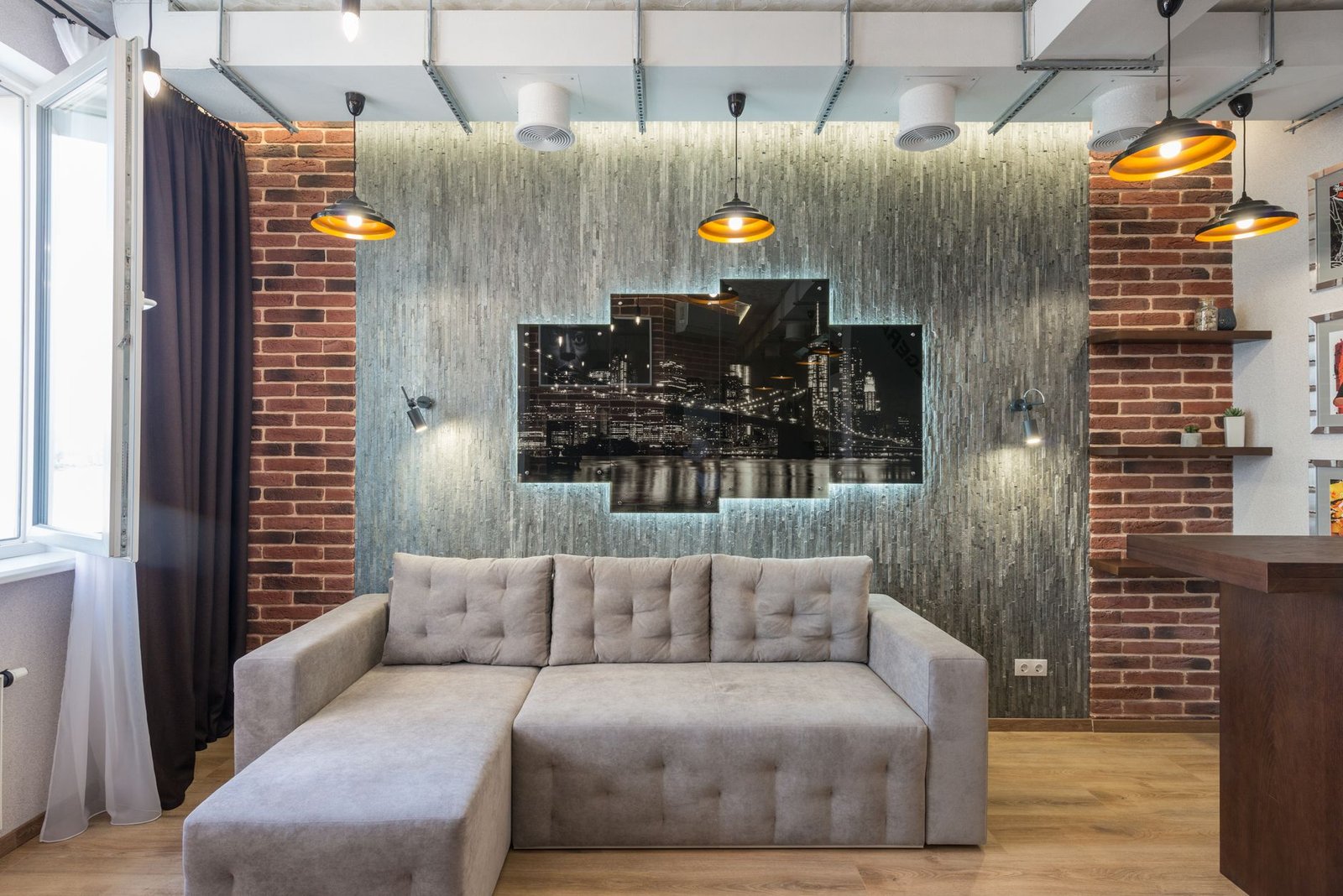
Artwork does not have to be limited to framed paper or canvas. Woven wall hangings, fabric panels, carved wooden pieces, metal sculptures, or layered textile art introduce depth and dimension, preventing neutral walls from feeling flat.
10. Use Statement Lighting
Lighting is both functional and decorative. A distinctive pendant light, sculptural floor lamp, or artistic table lamp can serve as a primary design feature. Layer multiple light sources throughout the room rather than relying on a single overhead fixture.
11. Design Around a Color Palette
Having a unified color palette helps maintain visual balance in a room filled with diverse art. Choose one primary color, two secondary shades, and a few neutrals, then repeat them across artwork, cushions, rugs, and accessories for cohesion.
12. Use Patterned Rugs
A rug introduces a foundational layer of artistic expression. Geometric designs, abstract patterns, traditional motifs, or colorful vintage rugs can ground a seating arrangement and establish the room’s color scheme.
13. Add Plants for Organic Beauty
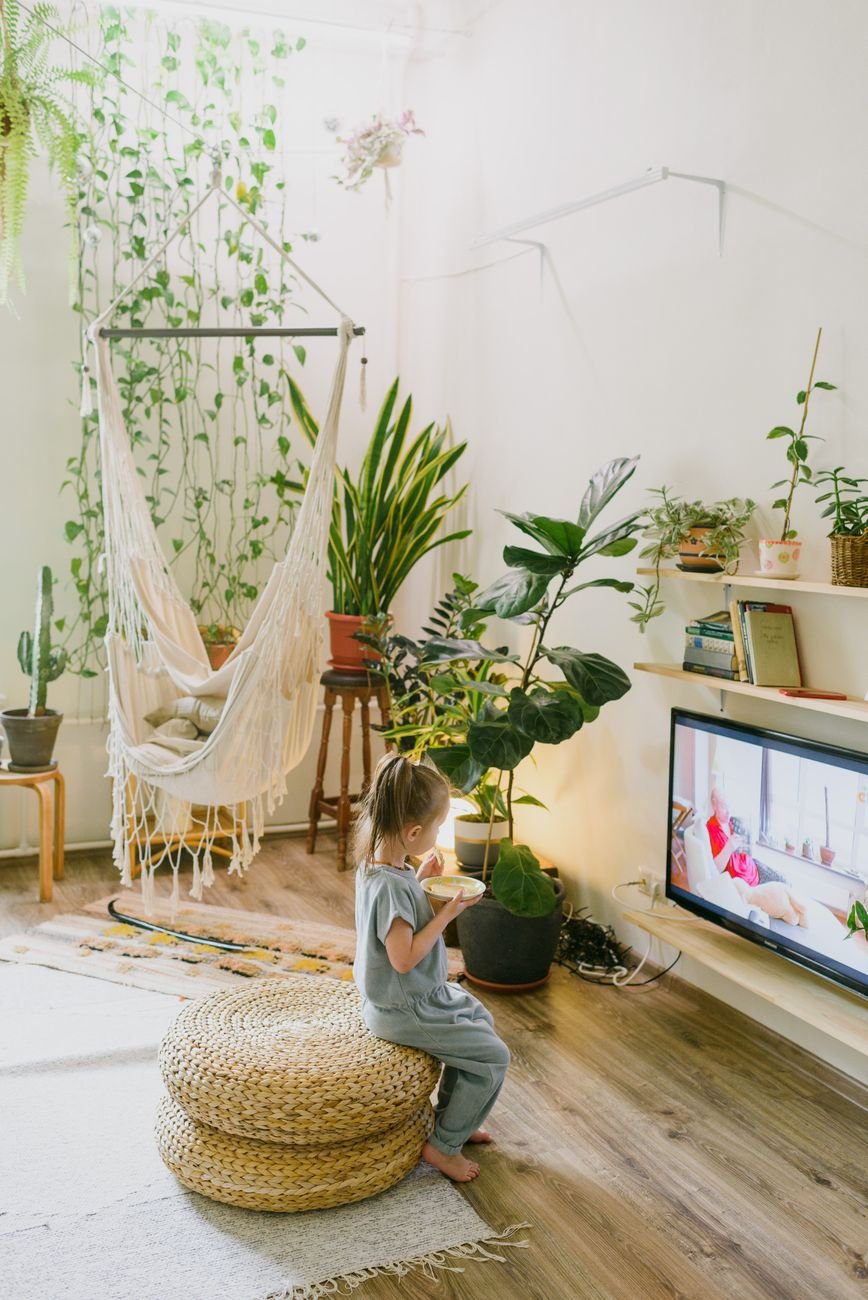
Plants bring living forms, natural color, and texture into an artistic space. Their irregular, organic shapes balance the clean lines of furniture and architecture, with large leafy varieties filling empty corners and small pots decorating shelves.
14. Display Books as Decorative Objects
Art, photography, and design books double as decor while sharing your personal interests. Stack attractive hardcover books on coffee tables or arrange them on open shelves to add instant color and personality.
15. Create a Gallery Shelf
Floating picture ledges offer a flexible way to display art and objects. Combine framed prints, ceramics, plants, and small sculptures on a shelf, allowing you to easily rotate pieces and refresh your decor without making new holes in the wall.
16. Try an Eclectic Decorating Style
Eclectic design lets you combine modern furniture, vintage accessories, global-inspired textiles, and natural materials. To keep an eclectic space from feeling chaotic, use repetition—such as consistent wood tones or a recurring accent color—to tie disparate items together.
17. Paint an Accent Wall
A bold painted wall provides a dramatic backdrop for art and furniture. Consider deep blue, forest green, charcoal, or terracotta, or experiment with creative paint techniques like color-blocking, painted arches, or subtle geometric patterns.
18. Incorporate Artistic Textiles
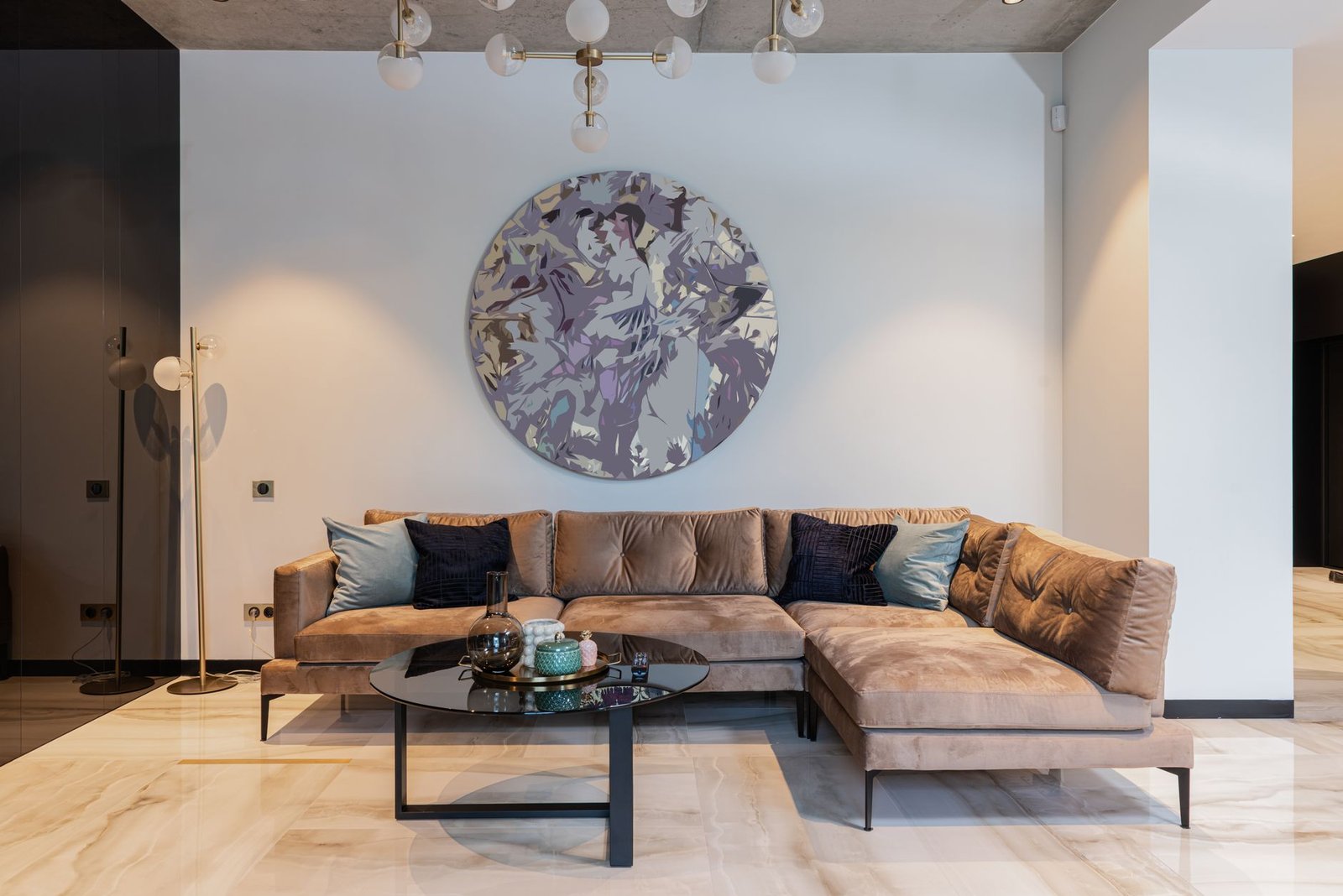
Cushions, throws, curtains, and upholstery offer endless opportunities to layer patterns and tactile surfaces. Mix velvet with linen, woven fabrics with cotton, or bold patterned pillows with solid textiles to create depth.
19. Make the Ceiling Part of the Design
Often called the “fifth wall,” the ceiling is an unexpected surface for artistic detail. Paint it in a contrasting shade, add decorative molding, install a dramatic light fixture, or apply wallpaper to draw the eye upward.
20. Add a Decorative Mirror
Mirrors act as functional art. Choose a mirror with an unusual frame or sculptural shape to serve as a focal point, position it to reflect natural light or a favorite artwork, and visually enlarge smaller living rooms.
21. Use Natural Materials
Wood, stone, wicker, leather, clay, and natural fabrics add essential warmth. Raw or organic materials provide a beautiful contrast when placed alongside sleek modern furniture and contemporary art.
22. Design a Cozy Reading Corner
An artistic living room should remain comfortable and livable. Set up a quiet nook with a statement armchair, a small side table, a focused reading lamp, and a shelf of favorite books framed by a favorite painting.
23. Use Black Accents for Contrast
Dark details give an artistic space definition and grounding. Frame artwork in black, choose lamps with dark metal bases, or opt for black furniture legs to make surrounding colors and lighter tones pop.
24. Create a Minimalist Artistic Interior
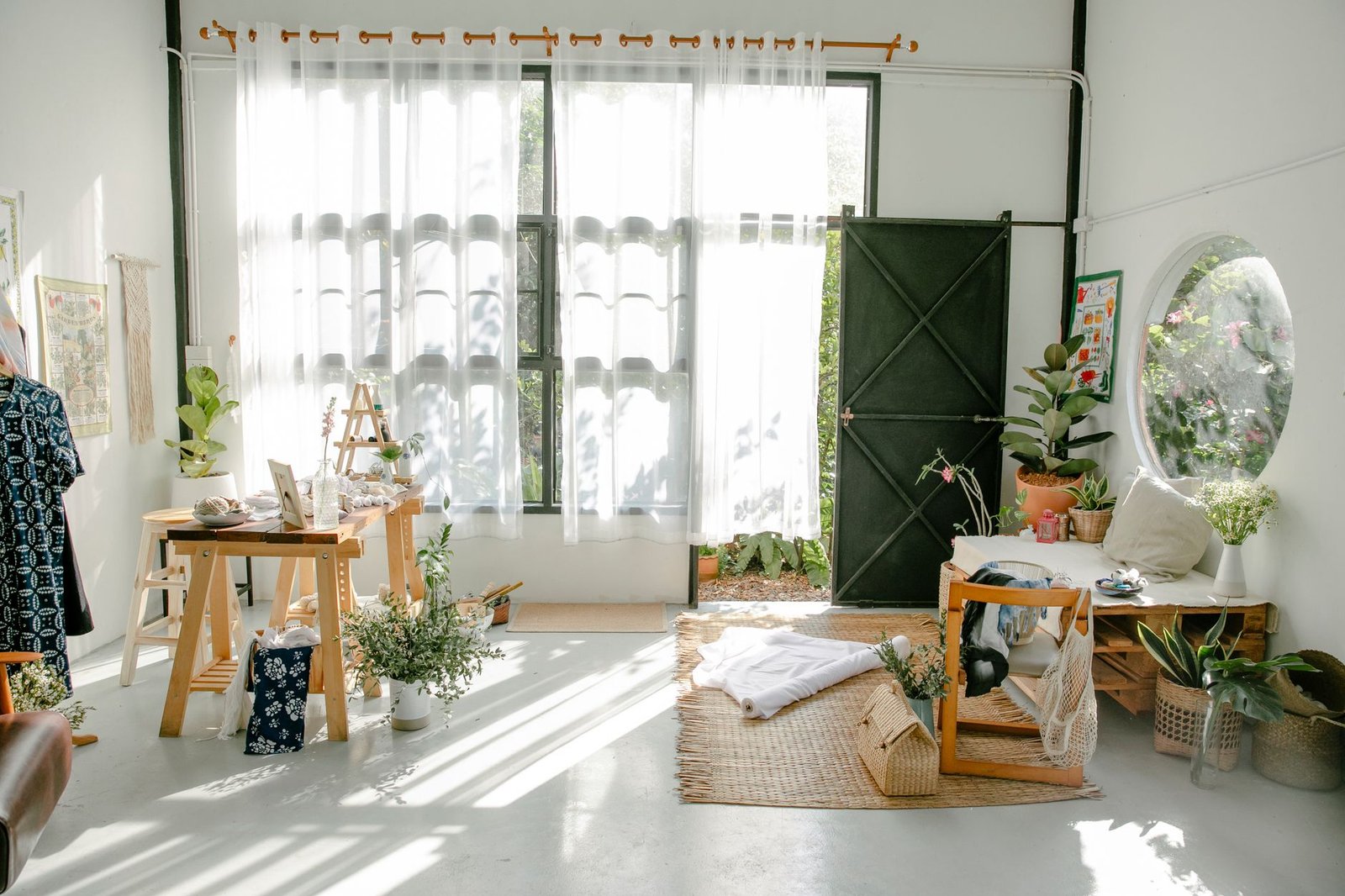
Minimalism can be deeply artistic. Focus on negative space, a restrained color palette, and a few high-impact elements—such as one large canvas or a single sculptural sofa—where every item is chosen with purpose.
25. Personalize the Space
The most important element of an artistic room is showing who you are. Display travel souvenirs, family heirlooms, favorite books, and pieces from local artists so your living room tells an authentic story about the people who live there.
Styling & Layout Guidelines
How to Choose Artwork for Your Living Room
- Define the Mood: Decide whether you want the room to feel vibrant, serene, dramatic, or whimsical.
- Consider Scale: A tiny print will get lost on a large wall, while a massive canvas can overpower a compact room.
- Focus on Placement: Hang artwork so its center sits at average eye level (around 57 to 60 inches from the floor) and keeps a visual connection to nearby furniture.
- Prioritize Personal Connection: Choose art that evokes a feeling or interest rather than just buying items to match a couch.
How to Balance Art and Furniture
- If your sofa or rug features a loud, complex pattern, opt for simpler, more spacious artwork.
- If your furniture is simple and neutral, use a striking, colorful canvas as the room’s main highlight.
- Group smaller artworks together to balance the visual weight of large sectionals or heavy cabinets.
Budget-Friendly Ways to Create an Artistic Space
- Frame personal photographs, vintage posters, or fabric swatches.
- Create your own large-scale abstract canvas using leftover wall paint.
- Rearrange existing furniture and swap accessories between rooms for a fresh look.
- Hunt for unique vintage frames, ceramics, and books at thrift stores and flea markets.
Frequently Asked Questions
How do I make my living room look artistic without clutter?
Focus on quality over quantity. Choose a few large, impactful pieces rather than filling every surface with small trinkets, and leave plenty of empty wall and floor space for breathing room.
Can I mix modern and traditional furniture styles?
Yes! Mixing styles creates a layered, curated look. Connect different eras by finding common ground through color, texture, or repeated materials like wood or metal.
Should all the artwork in a living room match?
No. Art does not need to match in style, medium, or period. A gallery wall featuring a mix of line drawings, oil paintings, and photography often looks far more sophisticated than a matching set.
How can I decorate an artistic living room on a budget?
Try painting an accent wall, creating your own abstract canvas, thrifting for vintage pottery and books, or simply rearranging your current collection to highlight key pieces differently.
Conclusion
Creating an artistic living room is about expressing your unique personality while keeping the space comfortable and functional. Whether you prefer an eclectic room filled with vibrant textiles or a minimal space centered around a single sculptural piece, the key is intentionality. Start with one object or color that inspires you, build around it, and allow your space to evolve naturally into a true reflection of your personal taste.
1 thought on “Artistic Living Room: 25 Creative Ideas to Transform Your Space”