
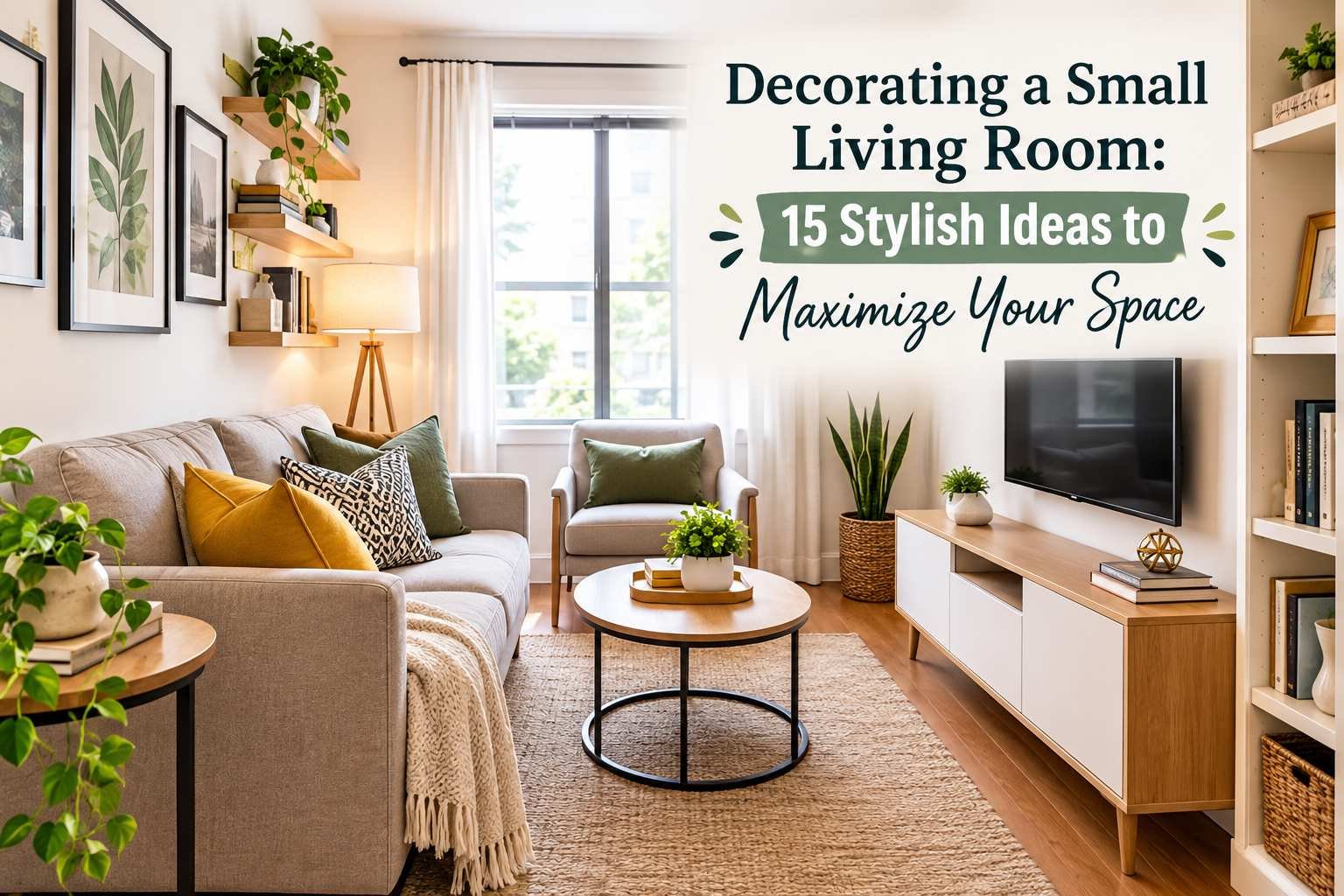
When it comes to decorating a small living room, the ultimate goal isn’t simply fitting furniture into a limited footprint. Instead, the objective is to create an attractive, highly functional space that feels open, airy, and inviting. By selecting the right furniture, color palette, lighting, storage solutions, and layout, even the most compact living room can look surprisingly spacious.
While small living rooms present unique design challenges, they also offer fantastic opportunities for creative solutions. Choosing appropriately scaled furniture, utilizing vertical wall space, introducing mirrors, and keeping clutter under control can completely transform the appearance of your home. Whether you live in an apartment or house, or simply have a compact family room, these practical ideas will help you make the most of every square foot.
1. Choose Furniture That Fits the Room
One of the most important principles when decorating a small living room is selecting furniture that matches the scale of the space.
An oversized sectional or bulky sofa can quickly overpower a small room. Instead, consider an apartment-sized sectional, a sleek loveseat, or a low-profile sofa paired with a comfortable armchair.
Look for furniture features such as:
- Slim or track arms
- Exposed legs that lift the frame off the floor
- Compact overall dimensions
- Simple, streamlined silhouettes
- Visually lightweight materials (like glass, acrylic, or thin metal)
Furniture with raised legs allows light to pass underneath and keeps more of the floor visible, creating an optical illusion of a larger room. Before purchasing any piece, measure your living area carefully—along with doorways, hallways, and stairwells—to ensure it fits comfortably in your home.
2. Use a Light Color Palette
Color dramatically influences how spacious or cramped a room feels. Light neutral shades—such as soft white, cream, warm beige, pale gray, and muted pastel blue—reflect both natural and artificial light, making the room feel brighter and more open.
You don’t have to make everything stark white to achieve this effect. A light neutral base can easily be paired with vibrant accent colors through throw pillows, artwork, window treatments, area rugs, and decorative accessories.
An easy color combination idea:
- Walls: Soft cream or warm off-white
- Sofa: Light beige or soft gray
- Coffee Table: Light-toned natural wood or glass
- Accents: Sage green throw pillows, brass hardware, and a textured woven rug
This layered approach creates visual interest and depth without overwhelming the space.
3. Take Advantage of Natural Light
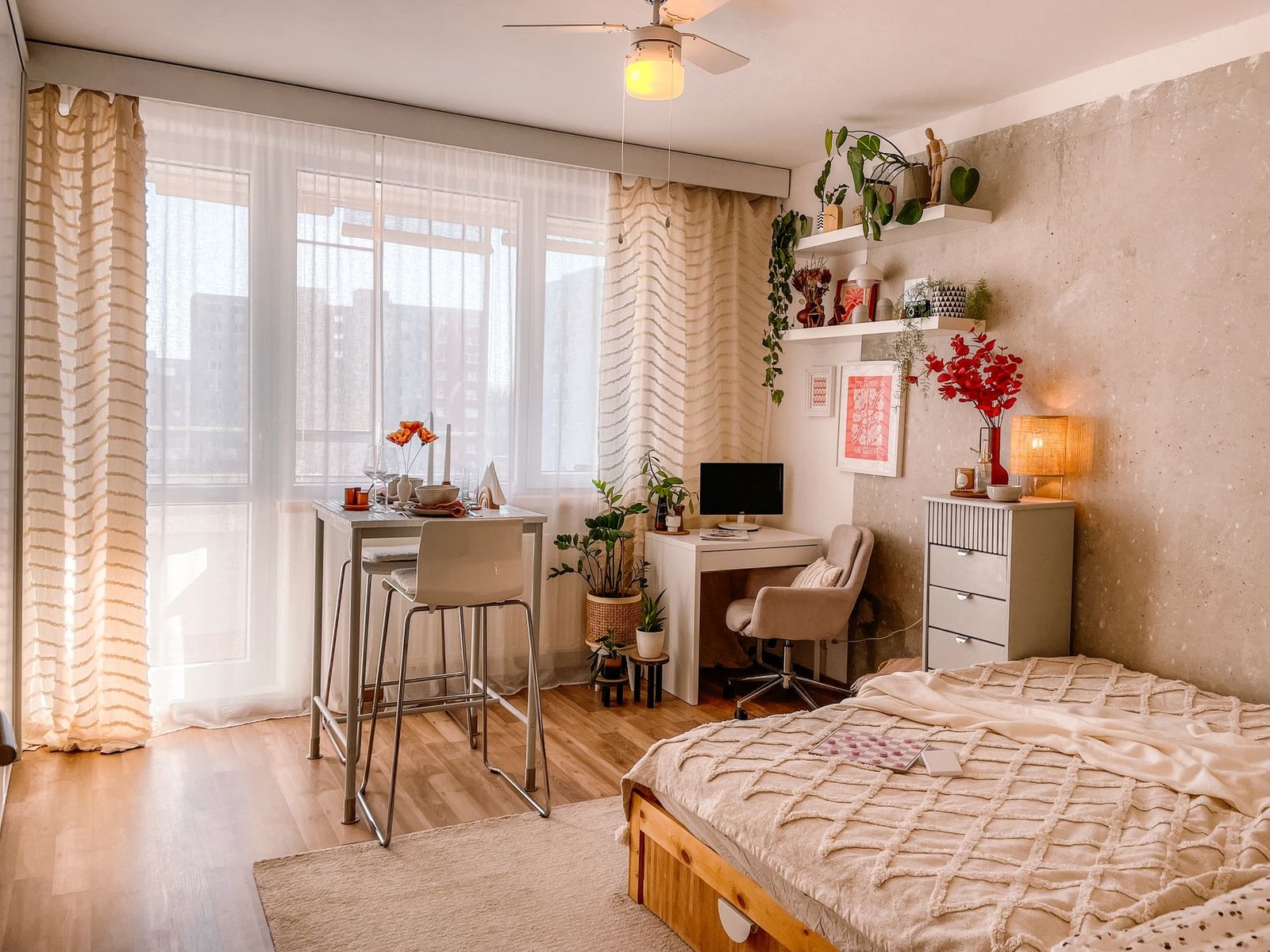
Natural light is one of the easiest, most cost-effective tools for making a small living room feel expansive.
Avoid placing tall, bulky furniture directly in front of windows where it blocks sunlight. Keep window treatments minimal so daylight can filter in freely throughout the day. Hanging curtain rods near the ceiling and letting light-colored drapes drop all the way to the floor draws the eye upward, giving the illusion of taller walls.
If privacy is a concern, sheer curtains or light-filtering cellular shades are ideal because they soften harsh glare while keeping the room feeling bright and airy.
4. Add Mirrors Strategically
Mirrors are a classic design secret when decorating a small living room. They bounce light across the space and trick the eye into perceiving extra depth.
Ideal locations to place a mirror:
- Directly opposite a window to reflect natural light and outdoor views
- Positioned behind a primary sofa or entryway bench
- Mounted above a fireplace mantel or console table
- Arranged as a curated gallery wall of smaller mirrored frames
Choose a frame style that complements your overall aesthetic. A sleek, frameless mirror suits modern interiors, while thin wood or metal frames add warmth and architectural character.
5. Choose a Space-Saving Coffee Table
A heavy, solid-wood rectangular coffee table can easily obstruct traffic flow in a compact living area. Instead, opt for flexible, space-saving alternatives that offer adaptability without taking up excessive floor space.
Smart coffee table alternatives include:
- Round or Oval Tables: Smooth edges eliminate sharp corners, improving safety and mobility in tight quarters.
- Nesting Tables: Pull them apart when hosting guests, then stack them neatly when floor space is needed.
- Glass or Acrylic Tables: See-through materials reduce visual weight and maintain an open look.
- Storage Ottomans: Serve double-duty as a footrest, extra seating, and hidden storage.
6. Use Multi-Functional Furniture
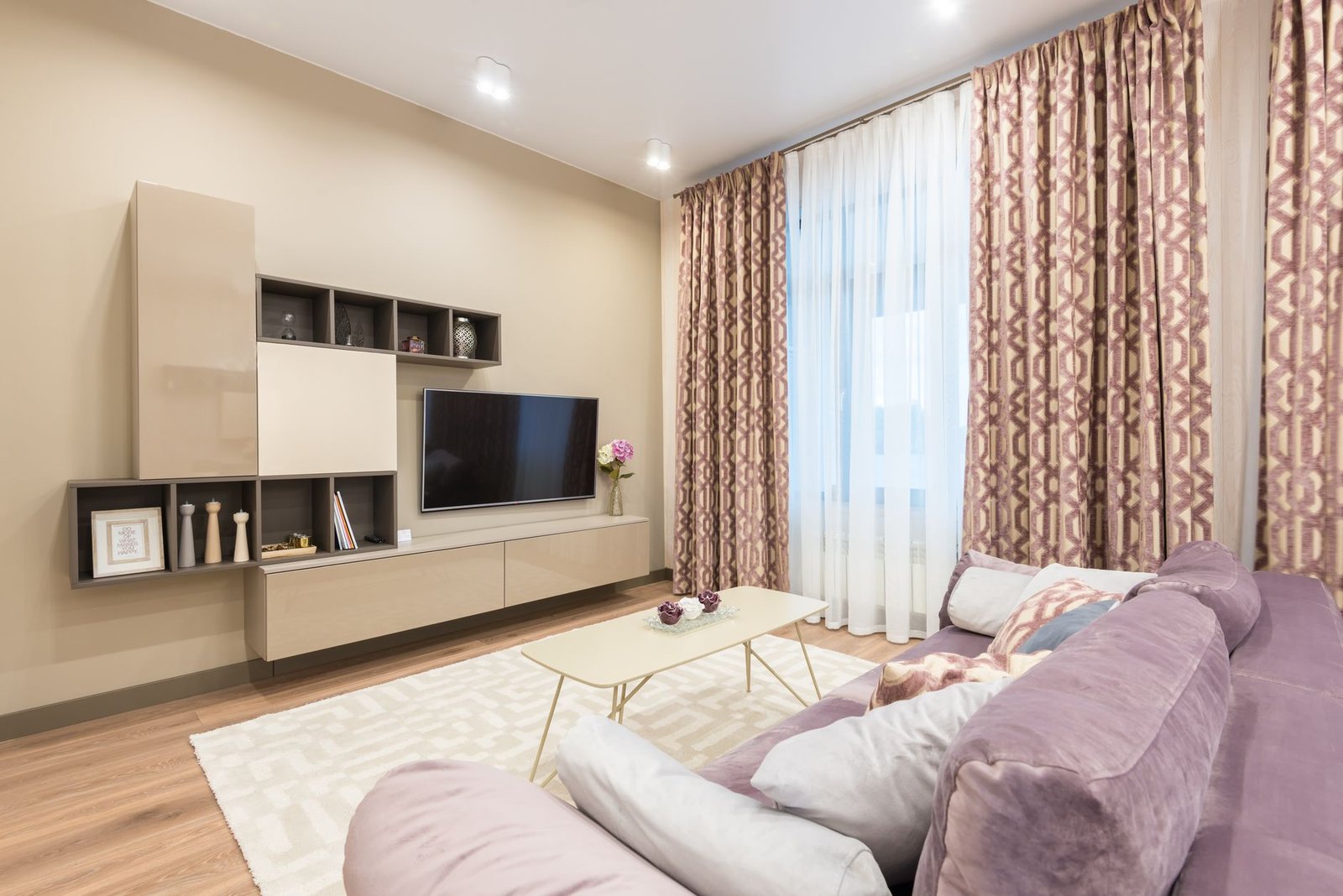
Furniture pieces that perform multiple roles are invaluable assets when decorating a small living room. Multi-functional designs maximize utility without filling your floor plan with unnecessary items.
Consider incorporating:
- Storage Ottomans: Conceal extra throw blankets, pillows, or board games inside while providing extra seating.
- Sofa Beds or Daybeds: Instantly turn your living room into an inviting guest room when overnight visitors arrive.
- Lift-Top Coffee Tables: Elevate to double as a comfortable workstation or dining surface for quiet meals.
- Bench Seating with Built-In Drawers: Provide seating near entryways or under windows while stashing shoes or accessories out of sight.
7. Make Use of Vertical Space
When horizontal floor space is limited, look upward. Utilizing vertical storage allows you to display books, house plants, and decor without sacrificing valuable floor real estate.
Vertical design elements to consider:
- Floating Shelves: Provide open storage while keeping the floor area beneath completely clear.
- Tall Bookcases: Vertical shelving units draw the eye upward toward the ceiling, creating a sense of height.
- Wall-Mounted TV Consoles: Eliminate bulky media centers and keep cables neatly tucked away.
- Floor-to-Ceiling Wall Art: Vertical canvases emphasize the height of your walls.
Tip: When decorating open shelves, avoid overcrowding every surface. Leave open space around objects to prevent the arrangement from looking messy.
8. Keep the Floor Visible
An essential rule in decorating a small living room is minimizing visual clutter on the floor. The more continuous floor surface your eyes can see, the larger the room naturally feels.
Opt for furniture elevated on slender legs rather than solid bases that sit flat on the floor. Wall-mounted furniture takes this concept even further by leaving the floor underneath completely exposed. For example, a floating credenza or TV console gives you all the storage you need while maintaining a light, spacious feel.
9. Select the Right Rug
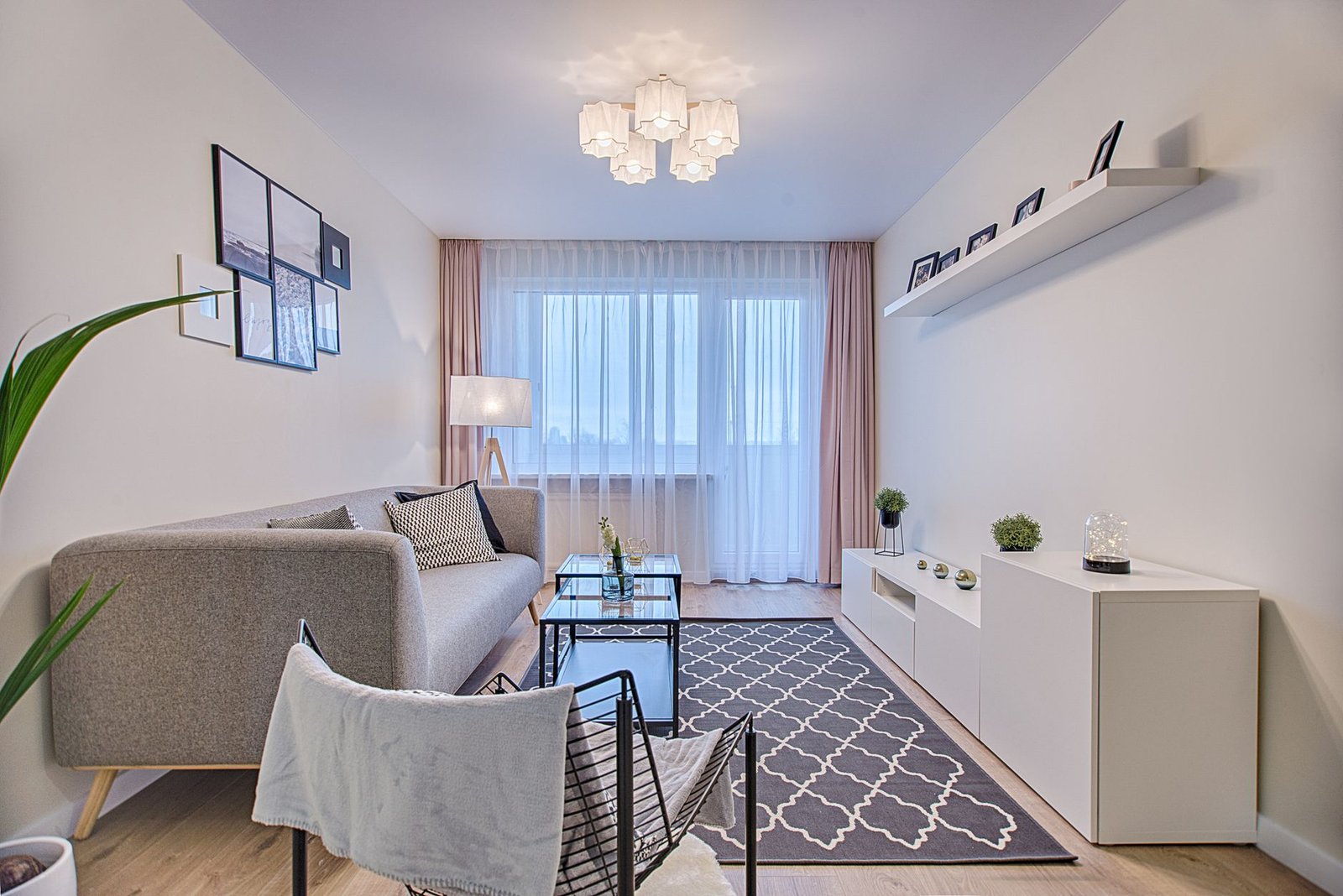
An area rug anchors your seating arrangement and unifies the design, but choosing the wrong size can make a small living room look fractured and tiny.
A rug that is too small acts like a postage stamp, pulling the eye inward and making the space look cramped. Whenever possible, select a rug large enough so that at least the front legs of your main seating pieces sit comfortably on top of it.
Rug selection tips:
- Choose light or medium-toned rugs to keep the room feeling open.
- Stick to subtle textures, low-pile weaves, or large-scale patterns.
- Avoid overly busy or high-contrast patterns if the room already features patterned upholstery or artwork.
10. Create a Simple Furniture Layout
Thoughtful furniture arrangement is just as important as selecting the right pieces. When arranging a small living room, avoid automatically pushing every piece of furniture flat against the walls—sometimes leaving a few inches of breathing room behind a sofa creates a more sophisticated, flowing layout.
Steps for an effective layout:
- Position your primary focal point first (usually the sofa facing a TV, window, or fireplace).
- Place secondary seating—like a accent chair or ottoman—angled toward the main sofa to encourage conversation.
- Ensure clear walkways of at least 24 to 30 inches between furniture pieces so people can navigate the room easily.
A simple, streamlined layout works much better than trying to squeeze in too many seating options.
11. Use Furniture With Hidden Storage
Clutter is the fastest way to make a small living room feel chaotic and tiny. Incorporating hidden storage lets you keep everyday necessities accessible while maintaining a clean, streamlined aesthetic.
Hidden storage solutions:
- Storage Ottomans & Footstools: Hide items like remote controls, magazines, and toys out of view.
- Enclosed Media Cabinets: Keep cords, gaming consoles, and electronics behind closed doors rather than open shelving.
- Decorative Woven Baskets: Stash extra throw blankets or kids’ toys neatly in a corner.
- Built-In Bench Seating: Utilize space under window nooks for extra drawers or lift-up tops.
12. Stick to a Consistent Design Style
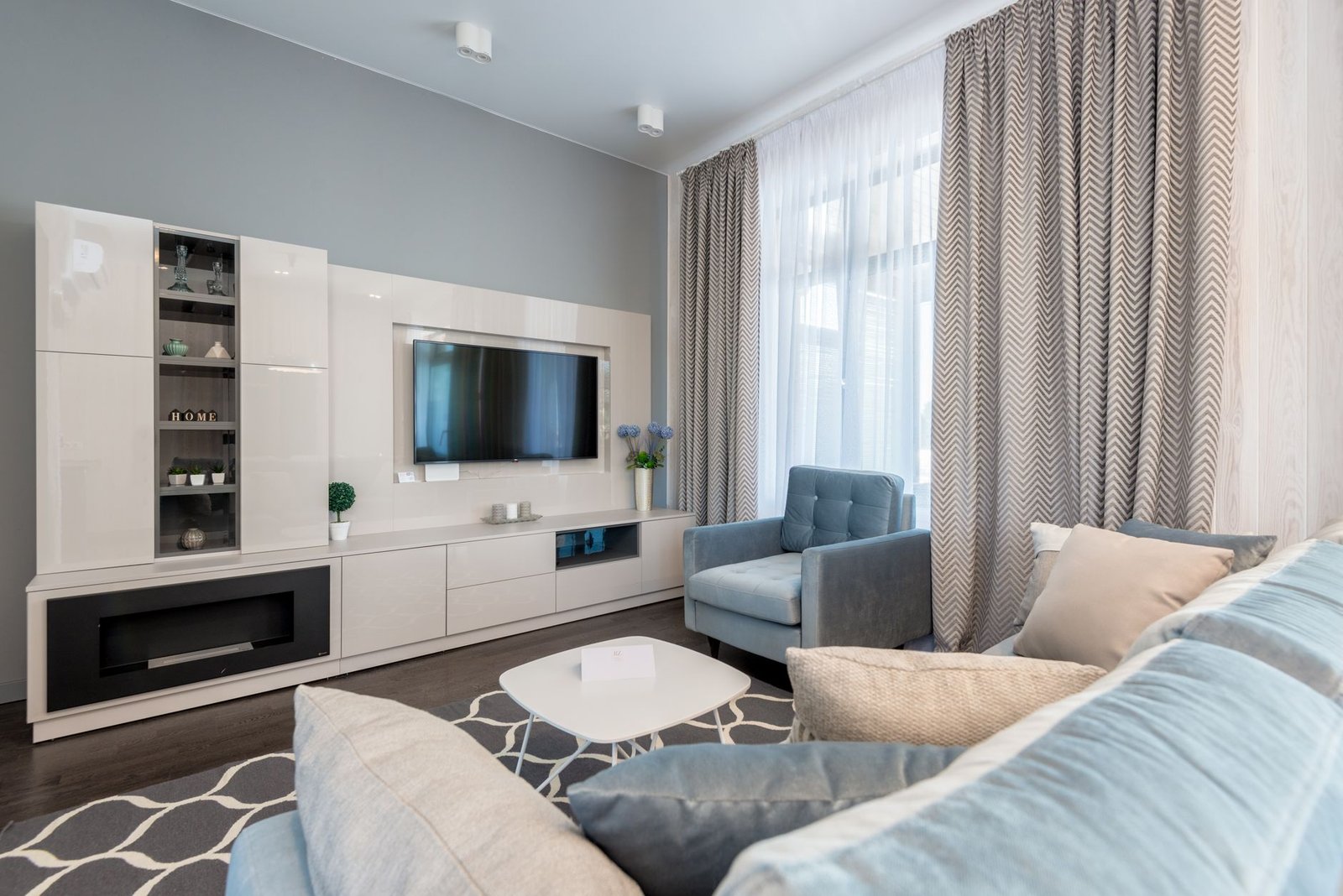
Mixing too many contrasting design styles, bold patterns, and mismatched textures can cause visual chaos in a compact space. Focusing on one cohesive style creates a harmonious, intentional look.
Modern Style
- Palette: Crisp whites, soft grays, and black accents
- Features: Clean geometric lines, track lighting, low-profile furniture, and glass or metal accents
Cozy Farmhouse Style
- Palette: Warm creams, soft taupes, and natural wood tones
- Features: Textured textiles, woven storage baskets, slipcovered seating, and vintage-inspired hardware
Consistency across your furniture, metal finishes, and textiles allows the eye to glide smoothly across the room without distraction.
13. Add Plants Carefully
Houseplants bring life, vibrant color, and fresh air into a living room. However, cluttering every flat surface with small pots can quickly make a small space feel disorganized.
Instead of keeping dozens of small plants, select a few well-placed plants for maximum visual impact:
- Position a tall leafy plant (like a Fiddle-Leaf Fig or Snake Plant) in an empty corner.
- Place a trailing plant (like a Pothos or Heartleaf Philodendron) on a high floating shelf.
- Hang a planter from the ceiling near a window to save floor and table space.
Choose plant varieties that thrive in your room’s natural lighting conditions and match your routine maintenance level.
14. Don’t Overdecorate the Walls
Displaying artwork adds personality, but covering every square inch of wall space can quickly overwhelm a compact room.
Rather than creating a dense wall-to-wall gallery, focus on one or two key display areas. A single oversized piece of framed art often looks cleaner and more impactful than a collection of tiny, scattered frames. If you do opt for a gallery wall, keep the frame styles consistent and leave uniform spacing between each piece to maintain visual order.
15. Improve and Layer the Lighting
Proper lighting can instantly transform a small living room from dim and cramped to bright and airy. Instead of relying on a single overhead ceiling light, layer multiple light sources at varying heights across the room.
The three layers of lighting:
- Ambient Lighting: Overhead flush mounts, semi-flush lights, or recessed lights that provide general illumination.
- Task Lighting: Adjustable floor lamps or table lamps placed next to reading chairs and desks.
- Accent Lighting: LED strip lights behind a TV console or subtle wall sconces that highlight artwork and architectural features.
Space-Saving Tip: If table or floor space is limited, install wall-mounted plug-in sconces or pendant lights to free up side tables.
Decorating a Small Living Room on a Budget
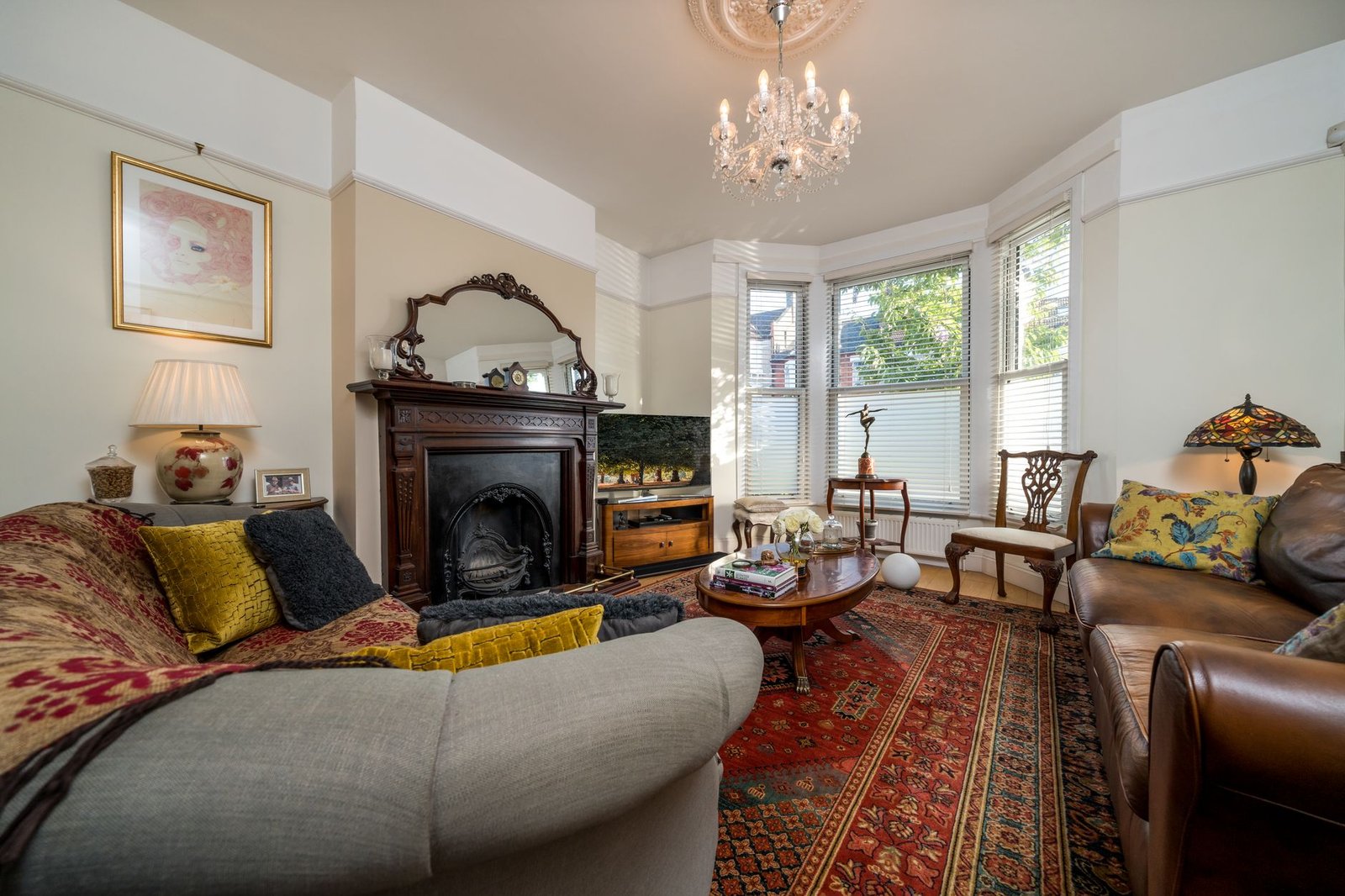
Transforming a small living room doesn’t require a fortune. With a bit of creativity, you can achieve a high-end look on a modest budget:
- Rearrange Existing Furniture: Experiment with new layouts to improve traffic flow and optimize light without spending a cent.
- Declutter First: Removing unnecessary items costs nothing and instantly opens up physical and visual space.
- Apply a Fresh Coat of Paint: Paint is one of the most affordable ways to make a room feel clean, bright, and modern.
- Update Textiles: Refresh the room with new pillow covers, a throw blanket, or budget-friendly sheer curtains.
- Incorporate DIY Decor: Frame printable art, spray-paint mismatched frames a uniform color, or propagate your own plants.
How to Make a Small Living Room Look Expensive
A compact living room can easily look luxurious with thoughtful styling choices:
- Stick to a Sophisticated Palette: Monochromatic shades of cream, beige, charcoal, and warm wood tones naturally look elevated.
- Hang Curtains High and Wide: Mount curtain rods right at the ceiling line and let drapes extend all the way to the floor to create tall, elegant lines.
- Upgrade Hardware and Lighting: Swap out basic cabinet pulls, lampshades, and light fixtures for stylish brass or matte black options.
- Keep Surfaces Clear: A clutter-free space with curated coffee table books and a fresh vase of flowers feels curated and high-end.
Common Mistakes to Avoid
To ensure your layout feels open and functional, avoid these common design pitfalls when decorating a small living room:
- Overcrowding with Furniture: Squeezing in too many chairs or side tables restricts movement and makes the room feel chaotic.
- Choosing Oversized Sofas: Heavy, deep-seated furniture consumes valuable floor area and blocks walkways.
- Blocking Windows: Placing high-backed chairs or heavy drapes over windows cuts off precious natural sunlight.
- Using Undersized Rugs: A tiny rug makes your seating arrangement look disjointed and visually shrinks the space.
- Neglecting Storage: Failing to plan for hidden storage leads to daily clutter buildup on coffee tables and shelves.
Small Living Room Ideas for Apartments
Apartment living rooms require smart, flexible design choices—especially in open-plan layouts where the living area connects directly to the kitchen or dining space.
- Use Multi-Purpose Furniture: A stylish sofa bed or daybed provides cozy daily seating while doubling as a sleeping spot for overnight guests.
- Define Zones with Rugs: Use distinct area rugs to define the living zone from adjacent dining or kitchen areas without building physical walls.
- Opt for Floating Storage: Wall-mounted TV units and floating shelves keep floor space open, making apartment footprints feel larger.
- Maintain Material Continuity: Using similar color palettes, flooring, and finishes across connecting spaces unifies the apartment layout.
Small Living Room Ideas for Families
A family-friendly living room can be both practical and beautiful with the right child-friendly choices:
- Choose Durable, Washable Fabrics: Performance upholstery, stain-resistant fabrics, or removable slipcovers make cleanup easy.
- Incorporate Low-Level Storage: Place open bins, soft fabric baskets, or storage ottomans within easy reach so kids can store toys quickly.
- Select Rounded Furniture: Choose oval or round coffee tables and cushioned ottomans to avoid sharp edges in high-traffic play areas.
- Anchor Heavy Furniture: Always secure tall bookcases, media units, and floor mirrors to the wall for safety.
Modern vs. Cozy Small Living Room Designs
Depending on your taste, you can tailor your compact living room toward a sleek modern aesthetic or a warm, cozy retreat.
| Design Style | Color Palette | Key Furniture & Decor | Overall Vibe |
| Modern | Crisp whites, soft grays, black, metallic accents | Low-profile sofas, track lighting, glass tables, floating shelves | Sleek, open, minimalist, and streamlined |
| Cozy | Warm creams, soft taupes, muted earth tones | Plush upholstery, knit throw blankets, textured rugs, warm lighting | Inviting, relaxed, warm, and comfortable |
Frequently Asked Questions
How can I make a small living room look bigger?
Use light neutral colors, hang mirrors to reflect light, select low-profile furniture raised on slender legs, keep window treatments minimal, and maintain clear walkways across the room.
What colors work best when decorating a small living room?
Light neutrals like soft white, cream, warm beige, and pale gray work best because they reflect light and make walls recede visually. You can incorporate deeper accent shades through artwork, pillows, and rugs.
Should furniture touch the walls in a small living room?
Not necessarily. While pushing furniture flat against the walls saves space, pulling your sofa or accent chairs just 2 to 3 inches away from the wall creates breathing room and makes the arrangement look more natural.
What type of sofa is best for a small living room?
Look for apartment-sized sofas, loveseats, or compact L-shaped sectionals featuring slim arms, low backs, and exposed legs. Always measure your available floor space before purchasing.
Are mirrors really effective in small living rooms?
Yes! Mirrors bounce natural light across the room, brighten dark corners, and create an illusion of depth that makes compact living areas feel noticeably larger.
How do I add extra storage without cluttering the room?
Utilize multi-functional furniture like storage ottomans, lift-top coffee tables, built-in benches, and floating shelves. Enclosed storage cabinets are great for keeping everyday items hidden out of sight.
Can dark colors work in a small living room?
Yes, dark colors can create a dramatic, cozy atmosphere. If you paint walls a dark color, ensure you have ample artificial lighting, reflective mirrors, light-colored upholstery, and contrasting light trim to balance the space.
Conclusion
Successful decorating a small living room comes down to making smart, intentional choices rather than trying to fill every square inch. By choosing appropriately scaled furniture, utilizing light color palettes, maximizing vertical storage, adding mirrors, and layering soft lighting, you can create a space that feels surprisingly expansive, organized, and stylish.
Start by assessing your space, measuring your layout, and deciding on the key furniture pieces you truly need. Focus on comfort, multi-functional designs, and clean lines. With a little planning, even the smallest living room can become one of the most welcoming and functional spaces in your home.
3 thoughts on “Decorating a Small Living Room: 15 Stylish Ideas to Maximize Your Space”