
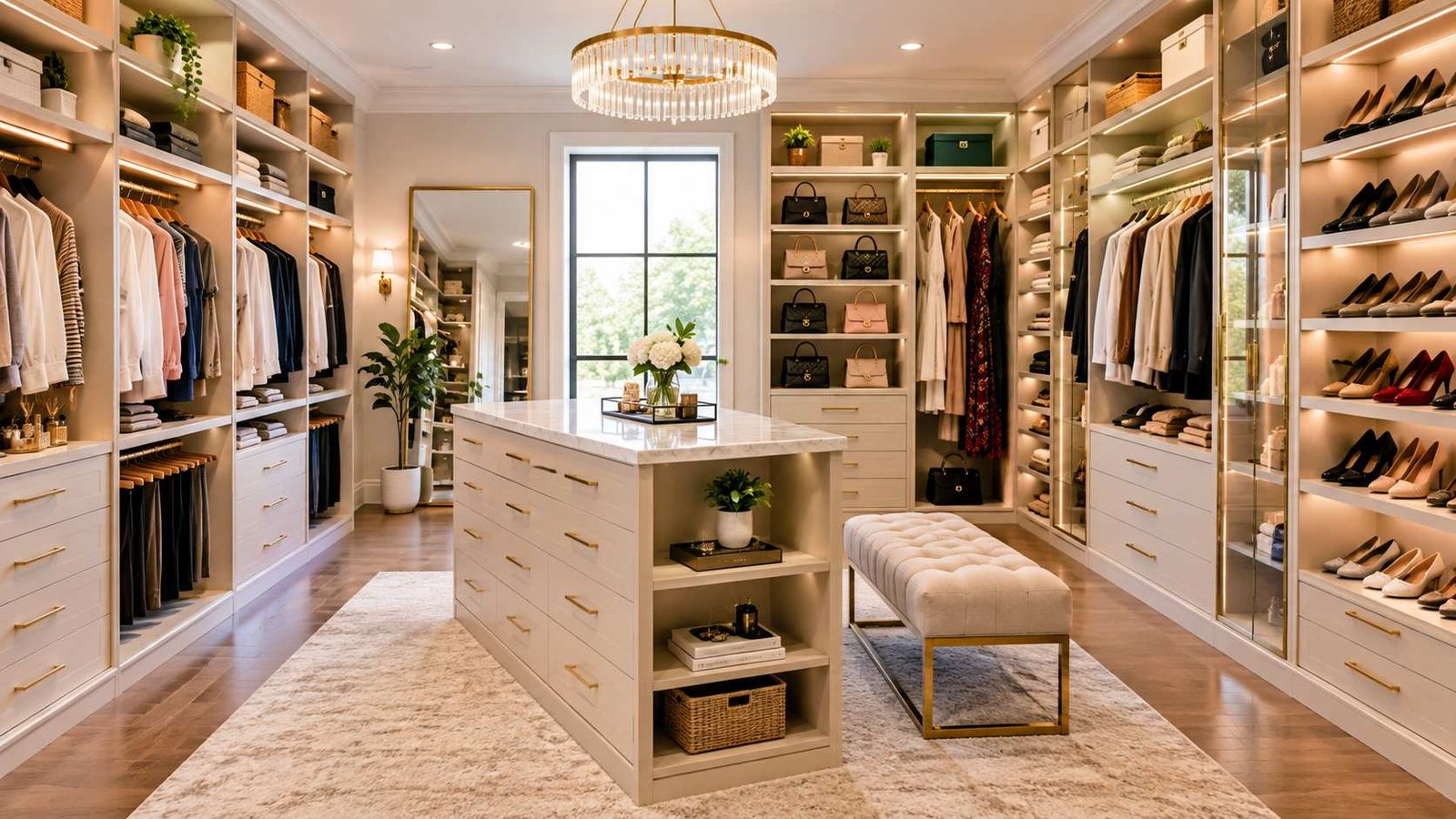
Finding the right storage solution can make a major difference in how organized and comfortable your home feels. These walk in closet ideas can help you transform a dressing area into a beautiful, functional, and well-organized space. Whether you have a modest layout or a spacious room, thoughtful arrangements, smart storage, attractive lighting, and personalized details can create a closet that feels both practical and luxurious.
A well-designed walk-in closet is more than a place to store clothing; it can become a space where everything has its place, making your daily routine significantly smoother. From custom shelving to built-in seating, there are countless ways to improve your layout without spending a fortune.
1. Create a Custom Shelving System
One of the most effective ways to maximize a room is by installing custom shelving that matches your specific storage needs. Instead of relying on standard, fixed shelves, consider a combination of open shelving, drawers, hanging rods, and enclosed cabinets.
Custom shelving allows you to dedicate designated areas to different belongings. You can create long sections for dresses and coats, shorter sections for shirts and pants, and targeted shelves for shoes or folded clothing.
Adjustable shelving is particularly useful because your storage requirements change over time. It allows you to rearrange your walk in closet ideas whenever you purchase new clothing or seasonal accessories.
2. Use Double Hanging Rods
If your layout contains a lot of shirts, skirts, trousers, or shorter garments, installing double hanging rods can significantly increase your available capacity.
Place one rod above another to utilize vertical space efficiently. The upper rod can hold shirts and jackets, while the lower rod accommodates pants, skirts, or other shorter items.
This simple structural change can double your hanging capacity without physically increasing the room’s footprint.
3. Add a Stylish Island
A central island gives any dressing room an elegant, high-end appearance while providing valuable storage and tabletop utility.
Choose an island equipped with drawers for jewelry, accessories, folded garments, and other small items. A countertop made from wood, stone, or another durable material provides a convenient flat surface for organizing daily belongings.
If your floor plan permits, a central island can serve as the functional centerpiece of the entire space.
4. Install Full-Length Mirrors
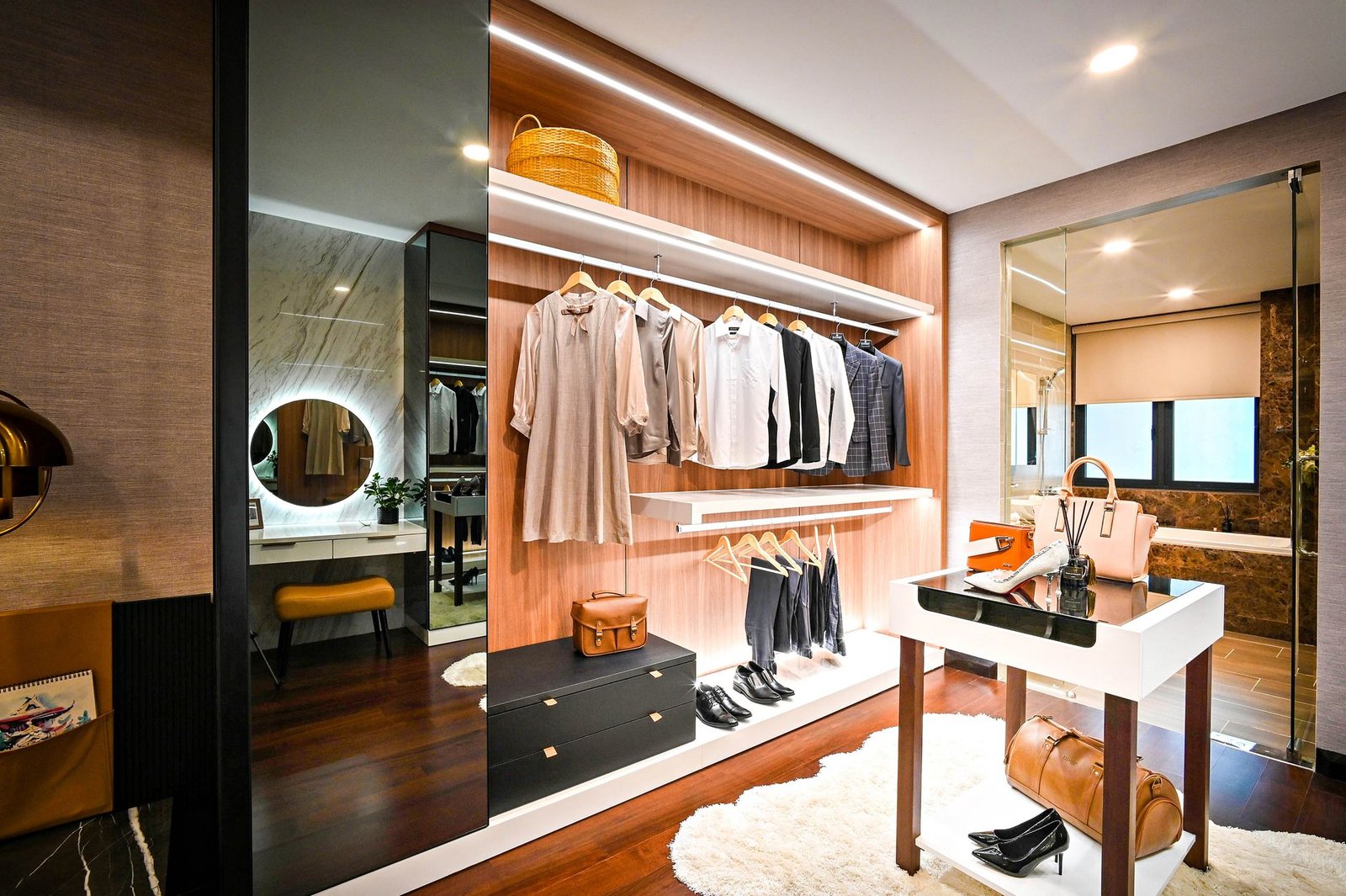
A full-length mirror is both highly functional and visually appealing, allowing you to check an outfit without leaving the dressing area.
You can mount a mirror on an empty wall, attach one to a cabinet door, or choose a freestanding design. Mirrored surfaces also reflect light, making smaller spaces appear noticeably brighter and more spacious.
For an elevated look, choose a mirror with a decorative frame that complements the rest of your interior decor.
5. Improve the Lighting Layout
Proper illumination is essential in any dressing space. Poor lighting makes colors difficult to distinguish and can make even a masterfully designed layout feel dim and uninviting.
Layered lighting is the most effective approach. Combine general ambient ceiling fixtures with LED strip lights, cabinet lighting, pendant lights, or wall sconces.
Place focused lights near shelves and hanging areas so you can easily view your wardrobe. Warm lighting creates a cozy atmosphere, while brighter neutral lighting is ideal for getting dressed accurately.
6. Design a Dedicated Shoe Display
Footwear quickly becomes messy and hard to manage when stored on the floor. A dedicated shoe display keeps your pair collection visible, accessible, and protected.
Incorporate angled shelves, cubbies, pull-out racks, or glass-front display cabinets depending on your aesthetic preferences and available space.
Arrange shoes by type, color, or frequency of use. Everyday footwear should remain within arm’s reach, while formal or seasonal shoes can be stored on higher tiers.
7. Add Pull-Out Accessory Racks
Accessories often require creative storage solutions. Belts, scarves, ties, and handbags take up minimal individual space, but they become difficult to organize in bulk.
Pull-out accessory racks solve this problem cleanly. They can be integrated inside cabinets or tucked neatly between primary shelving sections.
These mechanisms keep accessories organized and hidden while ensuring they remain effortless to locate when getting dressed.
8. Include Plenty of Built-In Drawers
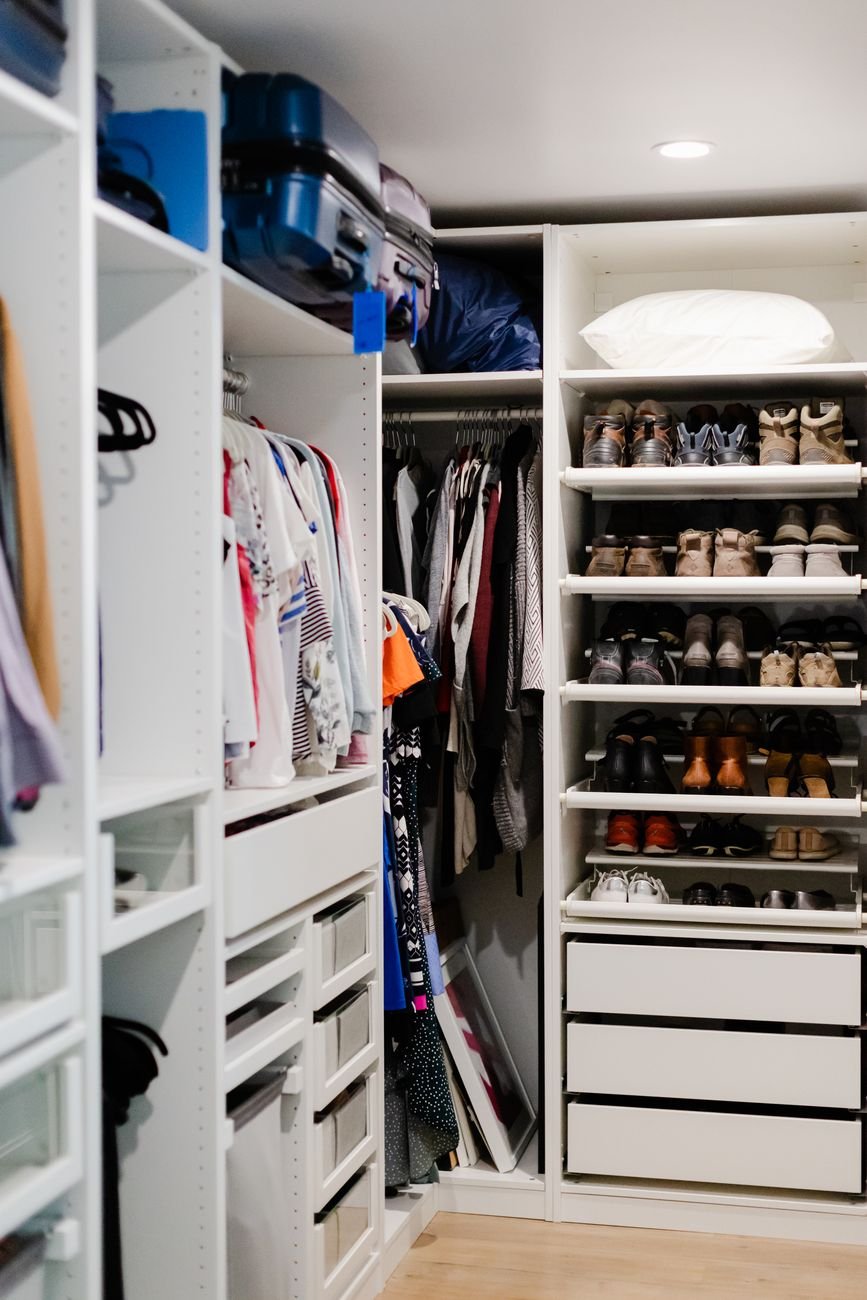
While open shelving is useful for displaying belongings, integrated drawers are equally important. They offer concealed storage for smaller items and help maintain a clutter-free visual flow.
Utilize drawers for socks, undergarments, jewelry, watches, and personal care items.
Consider adding drawer dividers for fine accessories. Compartmentalized drawers maintain long-term organization and prevent smaller items from shifting or mixing together.
9. Choose a Consistent Color Scheme
A cohesive color palette makes any wardrobe area look significantly more sophisticated and deliberate.
White, cream, beige, gray, natural wood tones, and soft neutrals are popular choices because they create a clean, timeless background.
Alternatively, introduce deeper hues for a bold, dramatic effect. Navy, charcoal, deep green, or rich wood finishes give the interior a luxurious, bespoke feel.
The key factor is visual consistency. Choose finishes that harmoniously connect with the rest of your home’s interior design.
10. Incorporate Comfortable Seating
If you have sufficient floor area, adding a bench, ottoman, or small lounge chair enhances both utility and style.
Seating provides a practical spot to sit while putting on shoes or coordinating outfits, while adding plush texture to the room.
A compact upholstered bench works exceptionally well in the center of a large room, whereas a low-profile stool provides equal functionality in tighter footprints.
11. Use Glass Cabinet Doors
Glass cabinet doors create a boutique-style display while shielding your clothing and accessories from dust.
They are particularly useful for displaying premium handbags, footwear, watches, or neatly folded knits.
Clear glass offers a crisp visual display, whereas frosted or smoked glass provides a more subtle, softened look.
For modern interiors, sleek frameless glass doors create a seamless visual aesthetic.
12. Utilize High Vertical Space
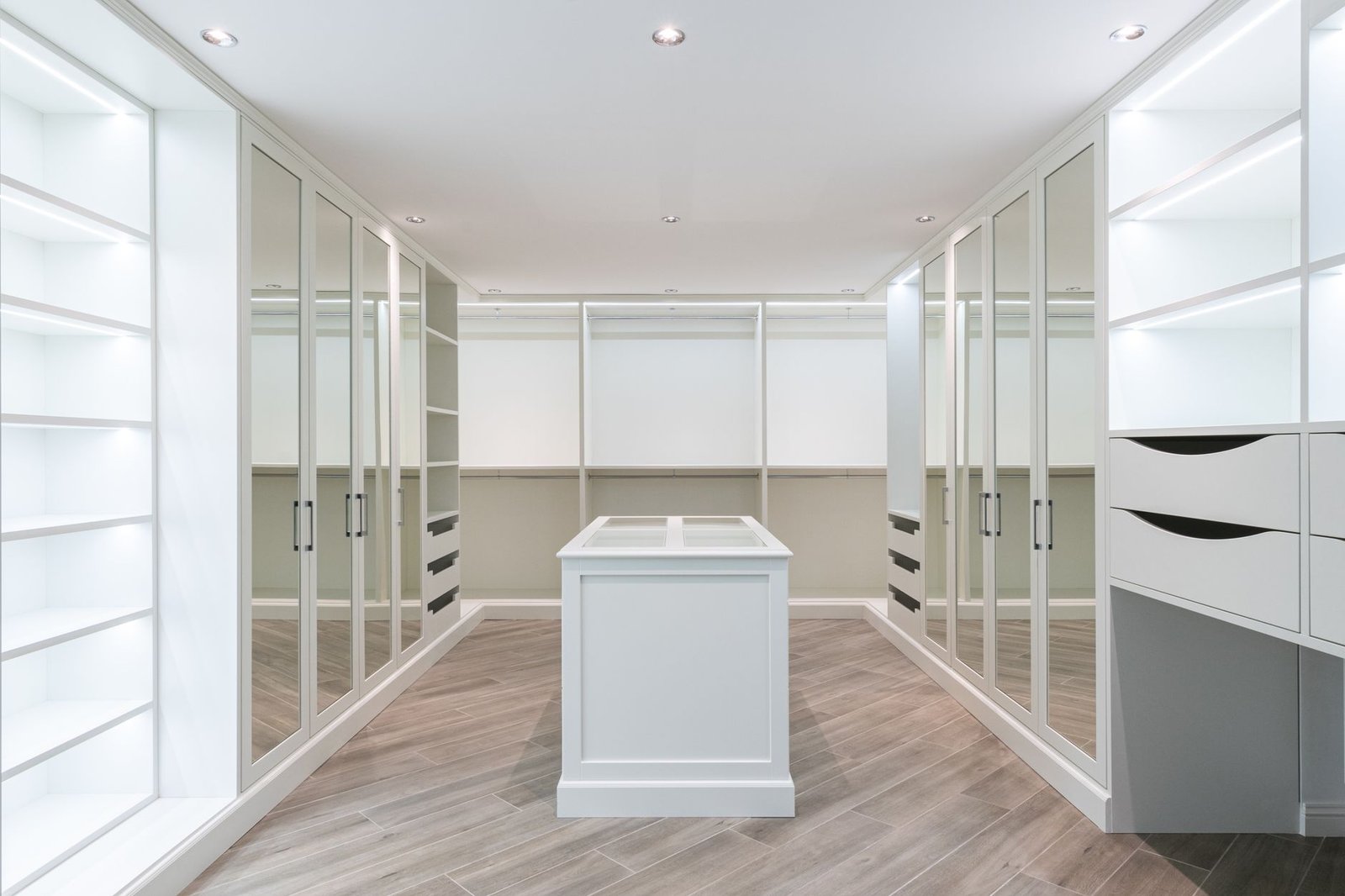
Many homeowners waste prime storage space above eye level. Extending your cabinetry and shelving upward allows you to take advantage of every available vertical inch.
Reserve upper shelves for seasonal wear, travel luggage, extra bedding, or items you use infrequently.
Keep a stylish, sturdy step stool nearby for easy access. Keep daily items at comfortable arm-height levels, reserving top shelves exclusively for long-term storage.
13. Create a Vanity Area
If space permits, incorporating a dedicated vanity turns your closet into a complete, self-contained dressing room.
Install a vanity desk countertop, an illuminated mirror, dedicated drawers, and task lighting. This creates a focused station for makeup application, grooming products, and jewelry organization.
A wall-mounted vanity unit is particularly effective in compact rooms because it preserves open floor area.
14. Add a Dedicated Jewelry Station
Jewelry easily becomes tangled, scratched, or misplaced without systematic storage.
Incorporate specialized drawers with felt-lined compartments, wall-mounted jewelry organizers, or pull-out velvet trays.
A glass-topped jewelry island drawer can also serve as a prominent decorative feature.
Store daily pieces in easily accessible top trays, keeping valuable items secured in hidden compartments or safes.
15. Standardize Your Hangers
Replacing mismatched hangers with a single, uniform set instantly makes your closet look professionally organized.
Slim velvet or sleek wood hangers maximize horizontal space compared to bulky, mismatched plastic alternatives.
Organize clothing by garment category, color shade, or season. Matching hangers create visual symmetry and give the layout a clean finish.
16. Incorporate Open Display Shelves
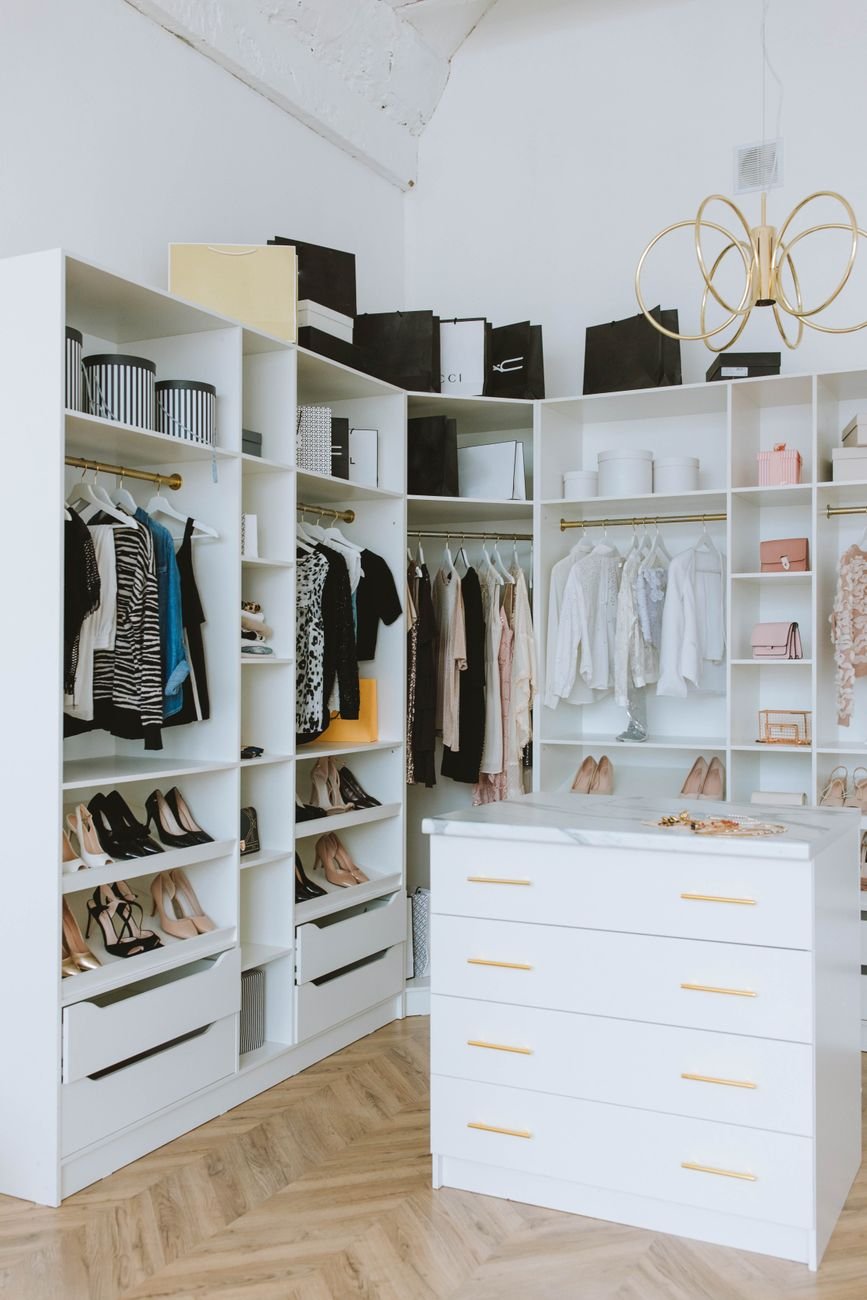
Open display shelving combines functional storage with visual decor. Use open sections to showcase structured handbags, footwear, folded cashmere, or curated storage boxes.
Avoid overcrowding these shelves. Leaving brief visual breathing room between items maintains a clean aesthetic.
You can also integrate decorative woven baskets on open shelves to conceal loose items while maintaining a cohesive texture.
17. Add a Feature Chandelier
Lighting doesn’t need to be strictly utility-focused. A striking chandelier or decorative pendant fixture can serve as a stunning focal element.
For traditional or glamorous interiors, consider a crystal or metallic chandelier. For modern spaces, geometric or minimalist light pendants offer a clean profile.
Ensure the hanging fixture is scaled appropriately for the room’s height so it does not interfere with clear walking paths or upper cabinet doors.
18. Establish a Dedicated Dressing Zone
A defined dressing area makes a large room feel like a private luxury boutique.
Position a full-length mirror near your seating option, ensuring the surrounding zone receives optimal, shadow-free lighting.
Incorporate an area rug to define the space visually while adding softness, texture, and warmth underfoot.
This cohesive arrangement transforms getting ready into a comfortable, structured daily ritual.
19. Incorporate Natural Wood Elements
Natural wood introduces warmth, richness, and organic texture to spaces dominated by flat painted surfaces.
Wooden shelving, cabinetry fronts, bench frames, or accent trim create a welcoming ambiance.
Light woods like oak or ash complement Scandinavian and modern minimalist interiors, whereas dark walnut or mahogany provides a classic, opulent finish.
You do not need to execute the entire room in timber; a few selected wooden accents are sufficient to warm up the space.
20. Install Space-Saving Sliding Doors
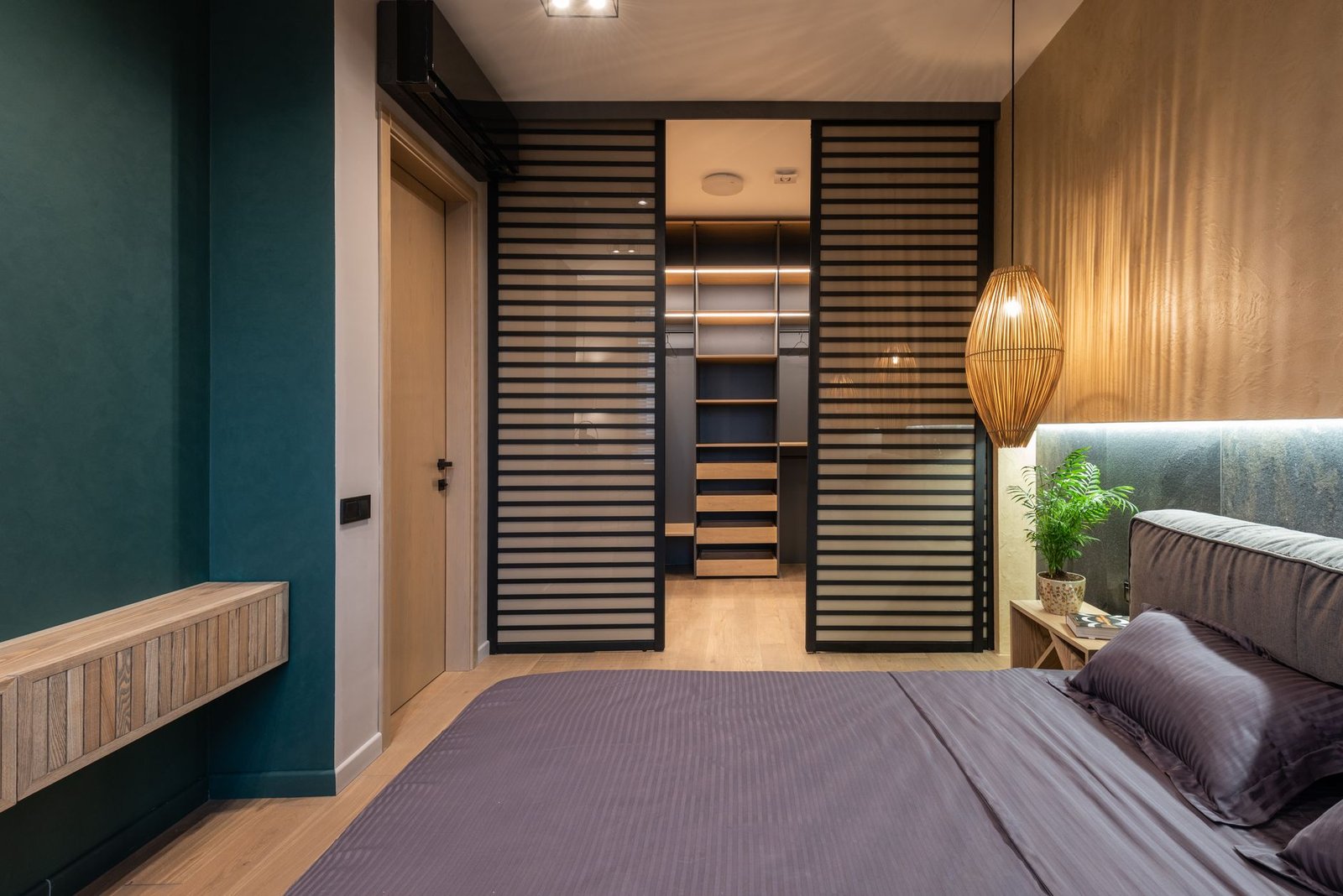
Sliding doors are extremely functional solutions when traditional swing doors would restrict floor space or block walking corridors.
They also contribute significantly to the sleek exterior appearance of built-in wardrobes. Popular materials include timber panels, glass, mirrored surfaces, or modern composite finishes.
Mirrored sliding doors provide the added dual benefit of reflecting light while offering a convenient full-length reflective surface.
21. Organize Clothing by Logical Categories
Even the most beautiful layout can become frustrating if garments are not organized systematically.
Group items by function: keep long-sleeve shirts together, pants in another section, dresses in a dedicated long-hang zone, and outerwear grouped separately.
Sub-divide each category further by color gradient or seasonal use.
Categorization reduces the time required to assemble outfits and prevents clutter from recurring over time.
22. Introduce Smart Storage Baskets
Storage baskets offer an affordable, versatile solution for organizing unstructured items.
Utilize them for winter scarves, off-season accessories, small handbags, folded athletic wear, or loose items that lack designated shelf space.
Select baskets that match your overall room palette. Matching fabric or wire bins create a streamlined appearance, while natural woven baskets introduce cozy texture.
23. Maximize Compact Walk-In Layouts
Not every home features an expansive dressing suite, but a compact footprint can remain exceptionally efficient when planned correctly.
Utilize light paint colors, strategic mirrors, slim-profile storage hardware, and tall vertical shelving to amplify the perception of space.
Avoid overcrowding every wall with heavy cabinetry. Leaving some exposed wall or floor space keeps small walk-in layouts from feeling claustrophobic.
24. Personalize with Decorative Touches
Your closet should reflect your personal taste just like any primary living area in your home.
Consider displaying framed art prints, decorative trays, small indoor plants, an accent rug, or favorite fragrance bottles.
Maintain a balanced approach: decorative elements should elevate the visual aesthetic without compromising primary storage space.
25. Replicate a High-End Boutique Aesthetic
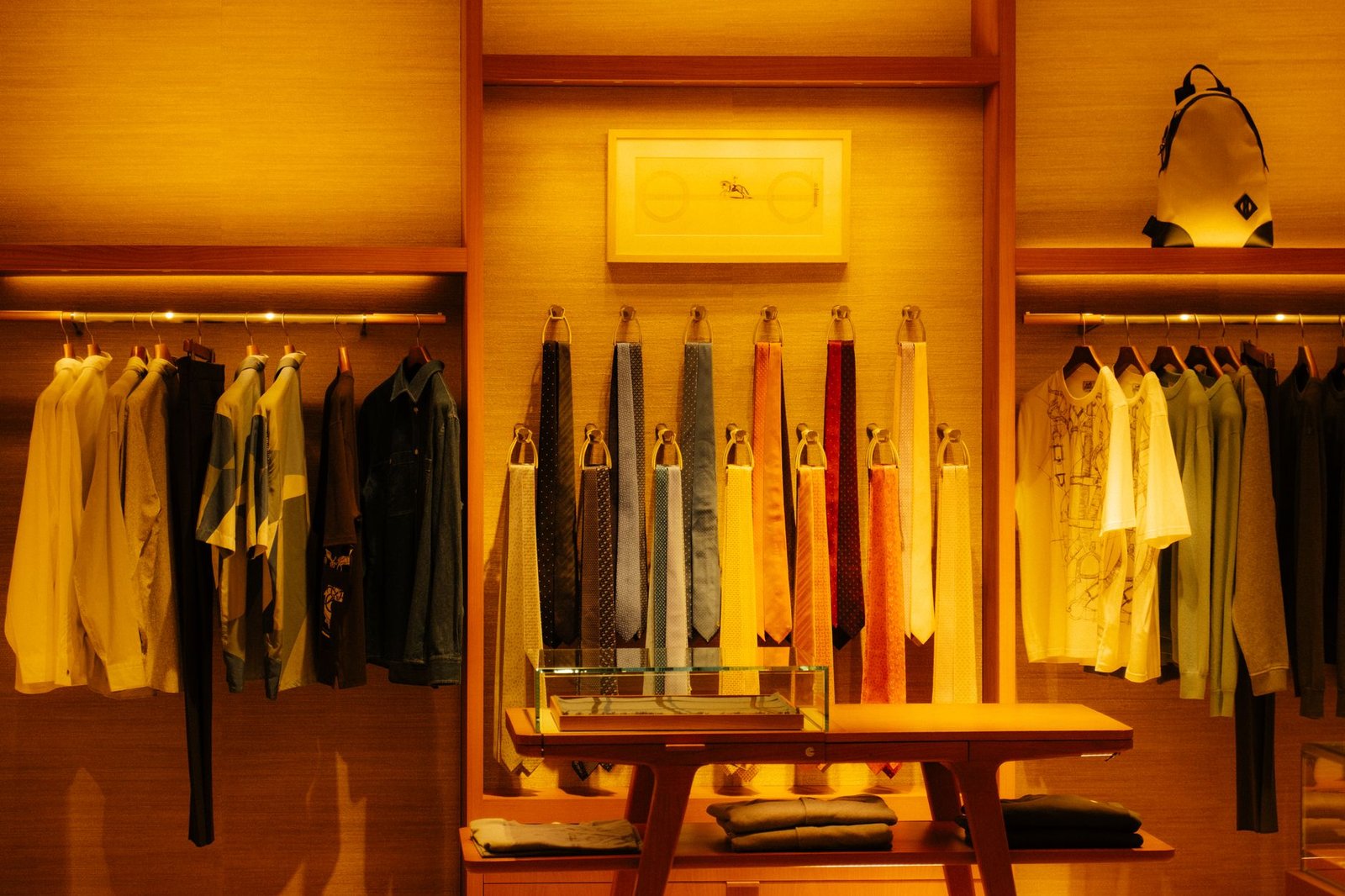
If you prefer a luxurious feel, draw inspiration from upscale retail boutiques.
Incorporate coordinated ambient lighting, glass-front cabinetry, premium metal hardware, organized visual displays, and high-quality materials.
Highlight your favorite shoes and designer handbags on illuminated display shelves, adding a plush ottoman and large framed mirror to complete the boutique ambiance.
Smart organization, thoughtful symmetry, and a consistent palette achieve this high-end look on virtually any budget.
How to Plan Your Layout?
Before purchasing storage units or building custom cabinetry, precisely measure your room dimensions. Record wall lengths, ceiling height, door swings, window positions, light switches, and electrical outlets.
Next, conduct an inventory of everything you intend to store. Account for long garments, short hangs, folded items, footwear, handbags, jewelry, luggage, and off-season storage.
Once you know your inventory, divide the space into functional zones. Assigning specific jobs to each wall or corner ensures that every square foot serves a clear purpose.
Consider movement flow within the space. Ensure that drawers, cabinet doors, and shoe racks can open fully without blocking entryways or primary walkways.
How to Maintain Long-Term Closet Organization
Sustaining a clean wardrobe requires simple, regular habits after your primary installation is complete.
- Audit your wardrobe regularly: Purge or donate items you no longer wear at the start of each season.
- Prioritize accessibility: Keep daily essentials at eye and hip level, shifting seasonal or rare items to higher shelves.
- Return items promptly: Develop the habit of returning clothing and accessories to their designated spots immediately after use.
- Utilize clear labeling: If you use fabric bins or opaque storage boxes, adding clean labels ensures items are easily located by anyone.
Budget-Friendly Ways to Upgrade Your Layout
You don’t need a massive budget to transform your space. Small, cost-effective adjustments yield dramatic cosmetic improvements:
- Standardize hardware: Replace mismatched hangers and upgrade cabinet handles or drawer pulls for an instant visual refresh.
- Add drop-in accessories: Utilize inexpensive shelf dividers, hanging organizers, and drop-in drawer inserts.
- Upgrade lighting quickly: Stick-on or hardwired LED strip lights under shelves dramatically improve visibility without major electrical work.
- Apply fresh paint: A fresh coat of crisp white or rich accent paint offers high visual impact for a very low cost.
Common Walk-In Closet Design Mistakes
- Prioritizing aesthetics over functionality: A layout may look stunning in photos, but it becomes frustrating if hanging space is insufficient or top shelves are unreachable.
- Ignoring future growth: Ensure your shelving configuration remains flexible or adjustable so it can adapt as your wardrobe changes.
- Neglecting proper lighting: Dim or warm-only lighting makes dark fabrics hard to distinguish and causes the room to feel smaller.
- Overcrowding the floor: Filling every available corner with floor storage disrupts physical movement and creates visual chaos.
Frequently Asked Questions
What essentials should every walk-in closet include?
A balanced layout typically requires hanging rods (both single and double height), open shelving, integrated drawers, a dedicated shoe storage area, quality task lighting, and sufficient floor space for comfortable movement.
How can I make a small closet appear larger?
Incorporate crisp light paint colors, full-length mirrors, vertical storage systems, slim hangers, and multi-layered lighting. Keeping floor pathways clear also creates an open, spacious feel.
Is adding a central island worth it?
A central island is exceptionally useful if you have at least 36 inches of clear walking space around all sides. It offers valuable extra drawers and flat surface space for folding or staging outfits.
What is the best lighting setup for a dressing room?
A layered lighting design works best. Combine general overhead lighting (pendant or flush-mount) with integrated cabinet LED strip lighting near shelves, drawers, and dressing mirrors.
How do I organize a walk-in closet efficiently?
Categorize items by type (shirts, pants, dresses, footwear, accessories), and arrange each category by color shade or season. Store daily wear within easy reach and reserve top shelves for off-season storage.
How much does a custom closet cost to design?
Costs vary widely based on dimensions, materials, and customization. Basic DIY modular track systems start around a few hundred dollars, while custom built-in hardwood cabinetry with integrated lighting can range from $2,000 to over $10,000.
Should I choose open shelving or closed cabinets?
A combination of both yields the best results. Open shelving offers fast visibility and access for daily garments, whereas closed cabinet doors protect fine fabrics from dust and keep seasonal items neatly hidden.
Conclusion:
A thoughtfully designed closet can improve organization, save time, and make your daily routine more enjoyable. The best walk in closet ideas combine practical storage with attractive design, allowing you to create a space that fits your belongings and personal style.
Whether you are planning a complete renovation or simply looking for affordable improvements, start by evaluating your storage needs. Add useful features such as adjustable shelving, double hanging rods, drawers, shoe storage, mirrors, and appropriate lighting. Then personalize the space with seating, decorative accents, coordinated colors, and materials that complement your home.
With careful planning, even a relatively small closet can become an organized and inviting part of your home.
2 thoughts on “Walk-In Closet Ideas: 25 Practical Ways to Transform Your Space”