
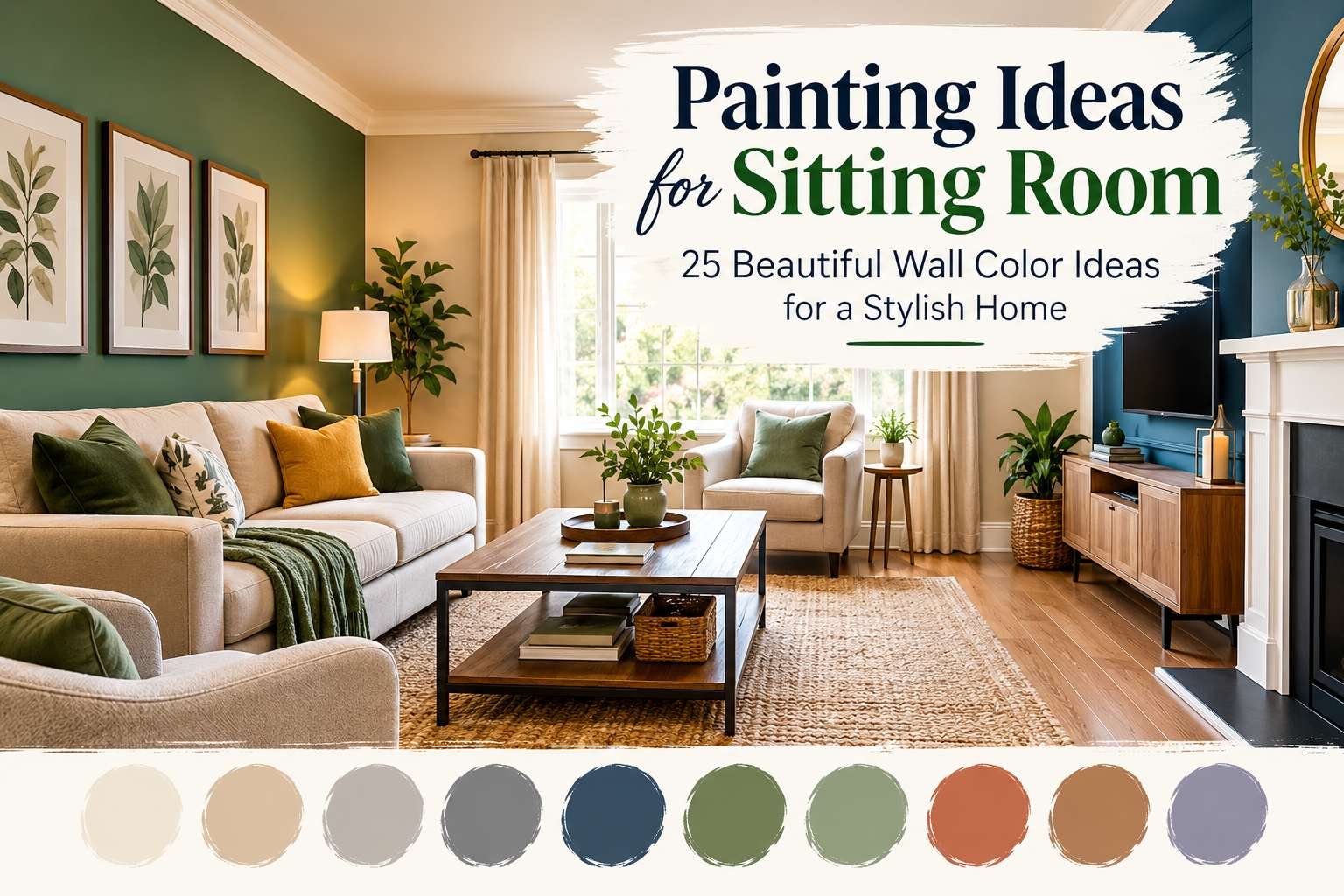
The sitting room is one of the most important spaces in any home. It is where family members gather, guests are welcomed, conversations happen, and people relax after a busy day. Because of this, choosing the right wall color can make a major difference in how the entire room looks and feels. The right painting ideas for sitting room designs can transform a space into a warm, stylish, and inviting area.
Whether the home has a traditional, minimalist, rustic, or luxurious interior, there are many paint colors and combinations to explore. However, choosing a color should involve more than picking a favorite shade. The size of the room, amount of light, furniture, curtains, flooring, ceiling height, and existing decorations should all be considered.
In this guide, we will explore painting ideas for sitting rooms, explain how different colors affect the appearance of a space, and provide practical tips for choosing a combination that works with the home’s overall design.
Top 25 Sitting Room Painting Ideas
1. Soft Neutral Colors
Neutral colors are among the most popular choices for sitting rooms because they create a calm and versatile background. Cream, beige, warm white, taupe, light brown, and soft grey can work with almost any furniture style.
If the sitting room contains wooden furniture, beige or cream walls can create a warm and traditional appearance. These colors also work well with natural fabrics, woven accessories, wooden flooring, and neutral curtains.
One advantage of neutral paint is flexibility. You can easily change cushions, rugs, artwork, or curtains without needing to repaint the room. Neutral walls allow decorative elements to become the focus.
For a classic appearance, consider combining warm beige walls with cream furniture and wooden accents. For a contemporary look, pair light grey walls with white furniture and metallic accessories.
2. White and Off-White Walls
White is a classic wall color that can work beautifully in almost any sitting room. It reflects natural and artificial light, helping the space appear brighter and more open.
However, pure white can sometimes feel too stark. If a softer appearance is desired, consider shades such as ivory, warm white, cream, or off-white.
White walls provide a flexible background for colorful decorations. You can introduce personality through:
- Colorful curtains
- Patterned rugs
- Artwork
- Indoor plants
- Decorative cushions
- Wooden furniture
- Accent lighting
White and off-white are especially useful in smaller sitting rooms because they can create a visually spacious appearance.
3. Elegant Grey Shades
Grey has become a favorite choice for modern interior design. It can give a sitting room a polished, modern appearance without being overly bright.
Light grey is particularly versatile. It can be paired with light furniture, dark wood, black accents, or pastel decorations. For a more dramatic appearance, consider charcoal or deep grey on one wall. Dark grey works well behind a television, fireplace, large artwork, or sofa.
When using grey, lighting becomes important. A room with large windows can usually handle deeper shades better than a poorly lit room. You can also combine different grey shades to create depth—for example, using light grey on most walls and medium or dark grey on an accent wall.
4. Create a Beautiful Accent Wall
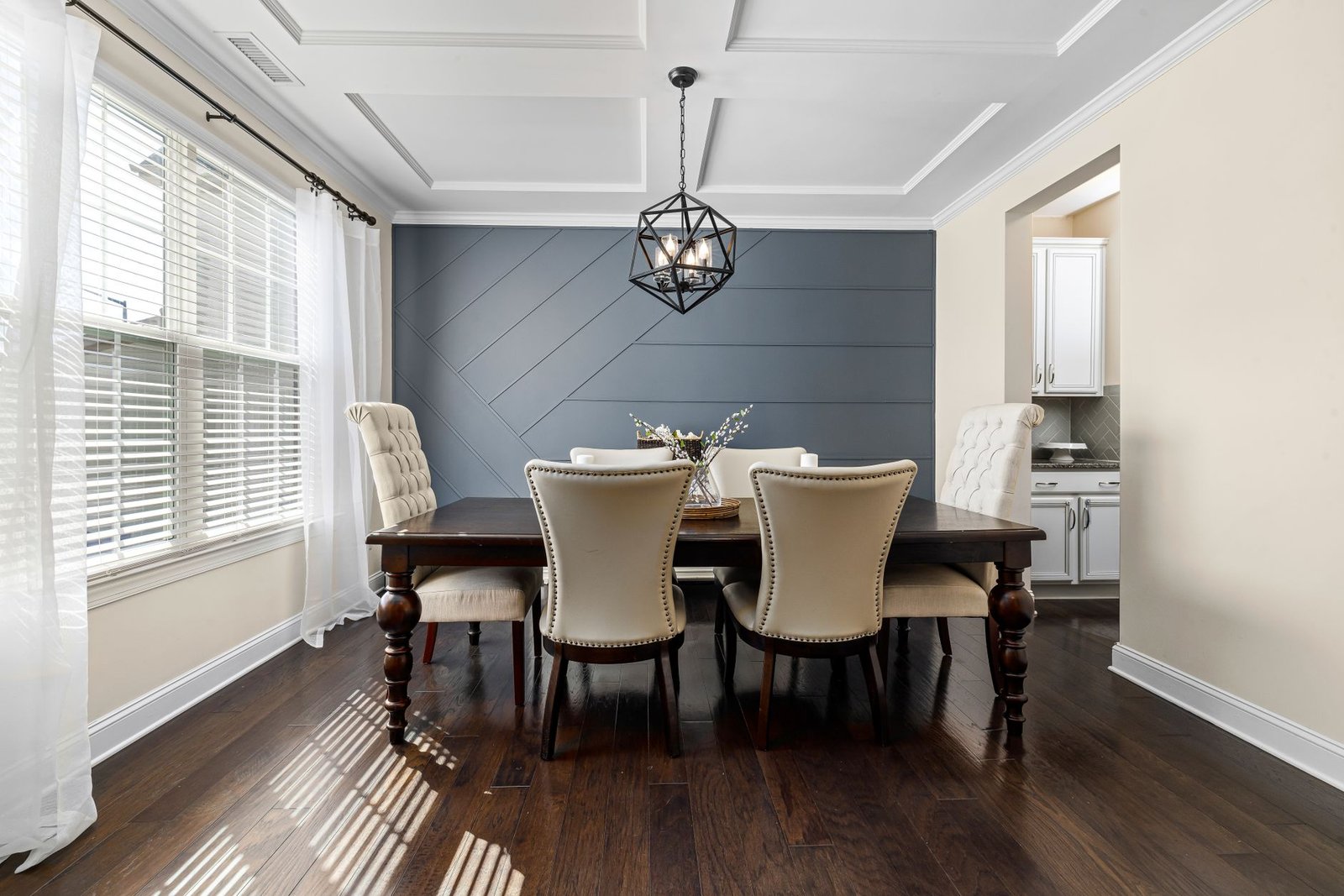
An accent wall is one of the easiest ways to add character to a sitting room without painting every wall a bold color.
You can keep three walls neutral and paint the fourth wall in a stronger shade such as:
- Deep green
- Navy blue
- Charcoal
- Terracotta
- Chocolate brown
- Burgundy
- Deep teal
The best accent wall is often the focal wall, such as behind the sofa or television, although the ideal location depends on the room’s layout. An accent wall can also highlight a feature: if the sitting room has a fireplace, built-in shelves, decorative molding, or a large artwork display, painting that wall differently can draw attention to it.
5. Warm Earthy Tones
Earthy colors are a great choice for making a sitting room feel cozy and inviting. Earthy colors come from nature and include terracotta, sand, warm beige, olive green, muted brown, clay, and warm taupe.
Earth tones work well with natural materials such as:
- Wood
- Rattan
- Bamboo
- Jute
- Linen
- Wicker
- Stone
For example, terracotta walls look beautiful when paired with cream-colored furniture and wooden accessories. Olive green pairs well with beige, natural wood, and off-white. These earthy colors are ideal if you want your sitting room to feel relaxed and connected to nature.
6. Blue for a Relaxing Sitting Room
Blue can bring a calm and refreshing atmosphere to a sitting room. Also, Blue comes in many shades, from pale sky blue to deep navy.
Light blue can make a room feel airy and relaxing, working well with white curtains, cream furniture, light wood, and neutral rugs. Navy blue provides a more dramatic appearance; rather than painting the entire room navy, you could use navy blue as an accent wall.
For a balanced design, combine blue with warm colors. For example, navy walls can be softened with camel furniture, wooden tables, cream cushions, and warm lighting.
7. Green Walls for a Natural Look
Green is another popular choice for sitting rooms, especially for homeowners who want a natural and relaxing atmosphere.
Sage green is soft and understated, making it suitable for modern interior styles. Olive green provides a richer appearance, while deep forest green can create a luxurious accent wall.
Green works well with:
- Cream sofas
- Wooden furniture
- Linen curtains
- Indoor plants
- Natural rugs
- Brass or gold accessories
If you already have several indoor plants, green walls can help create a cohesive, nature-inspired interior.
8. Beige and Cream Color Combination
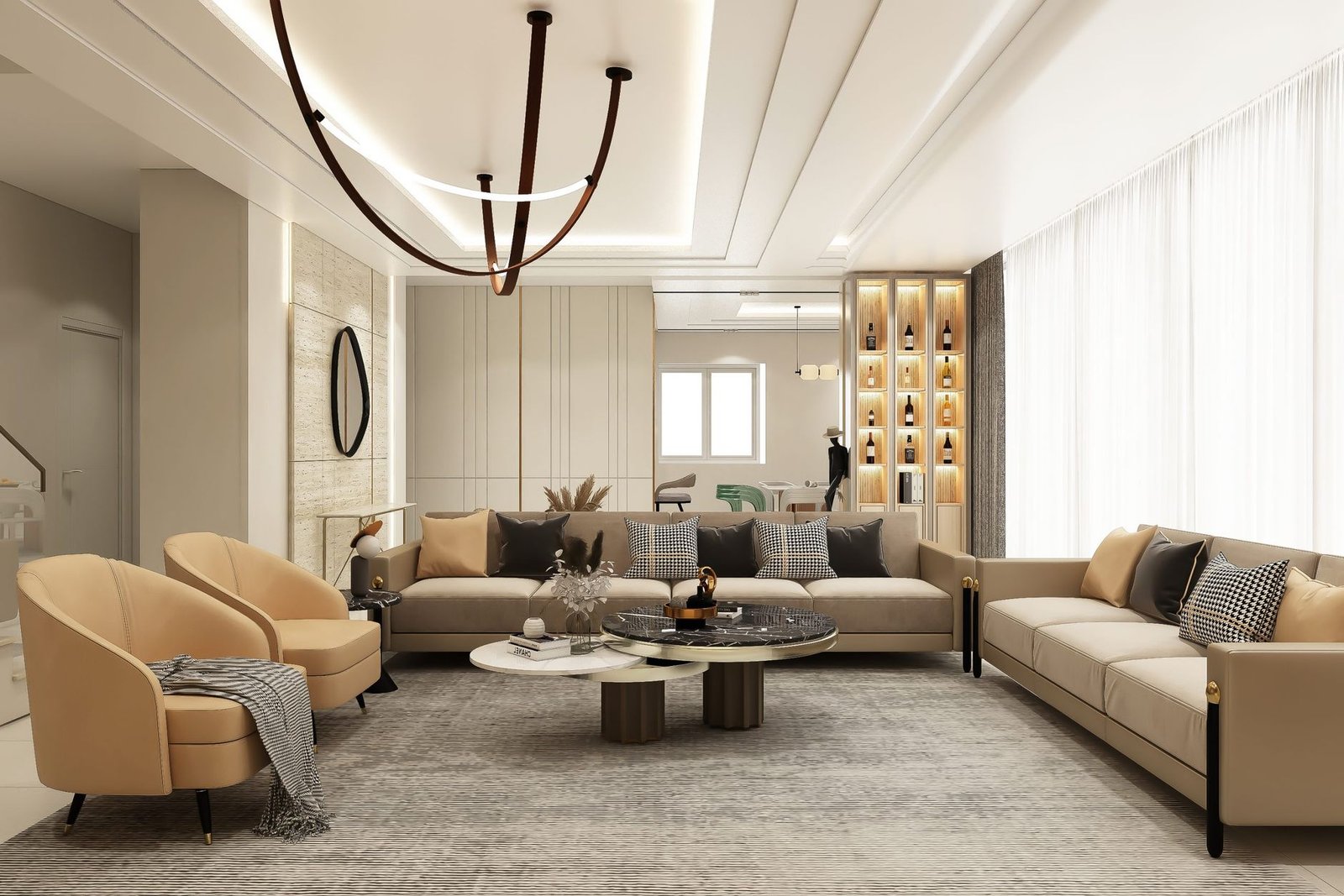
Beige and cream create a timeless combination that works in both traditional and contemporary sitting rooms.
Instead of using one color throughout the room, you can use different tones to create subtle contrast. For example, choose beige for the main walls and cream for the ceiling and trim. This combination works well with wooden furniture and warm lighting.
To prevent the room from looking too plain, add texture through rugs, curtains, cushions, artwork, and decorative objects.
9. Two-Tone Wall Painting
Two-tone walls can add visual interest without requiring complicated patterns.
You can divide the wall horizontally or vertically. For example, the lower portion can be painted a darker beige while the upper portion remains cream. Another option is to use two related shades, such as:
- Light grey and charcoal
- Beige and cream
- Sage green and olive
- Light blue and soft grey
- Terracotta and warm beige
Two-tone painting can also make ceilings appear taller when the darker shade is placed on the lower half of the wall.
10. Pastel Colors for a Soft Sitting Room
Pastel shades are ideal for people who prefer a gentle and cheerful interior. Popular options include:
- Powder blue
- Soft pink
- Pale green
- Light lavender
- Peach
- Creamy yellow
Pastels work well in rooms with plenty of natural light, making the sitting room feel fresh without overwhelming the furniture or decorations. If you use pastel walls, neutral furniture can help maintain balance.
11. Dark Colors for a Dramatic Look
Dark colors can create a dramatic, cozy, and sophisticated sitting room. However, Dark colors include navy, forest green, charcoal, chocolate brown, and deep teal, and they can make the room feel luxurious.
Dark colors do not necessarily make every room feel smaller. When used thoughtfully, dark colors can create depth and coziness. For example, a dark green accent wall behind a cream sofa can become the central feature of the room. Use lamps, light-colored furniture, mirrors, and metallic accents to balance darker walls.
12. Paint the Ceiling a Complementary Color
Walls are not the only surfaces that can be painted—the ceiling can also contribute significantly to the appearance of a sitting room.
A traditional white ceiling is always a reliable option, but you can experiment with subtle colors. For example, a pale blue ceiling can complement blue-grey walls, while a warm cream ceiling can work beautifully with beige walls.
When a ceiling is low, using light paint colors helps keep the room looking open. When ceilings are higher, there is more freedom to try deeper paint shades.
13. Match Paint With Furniture
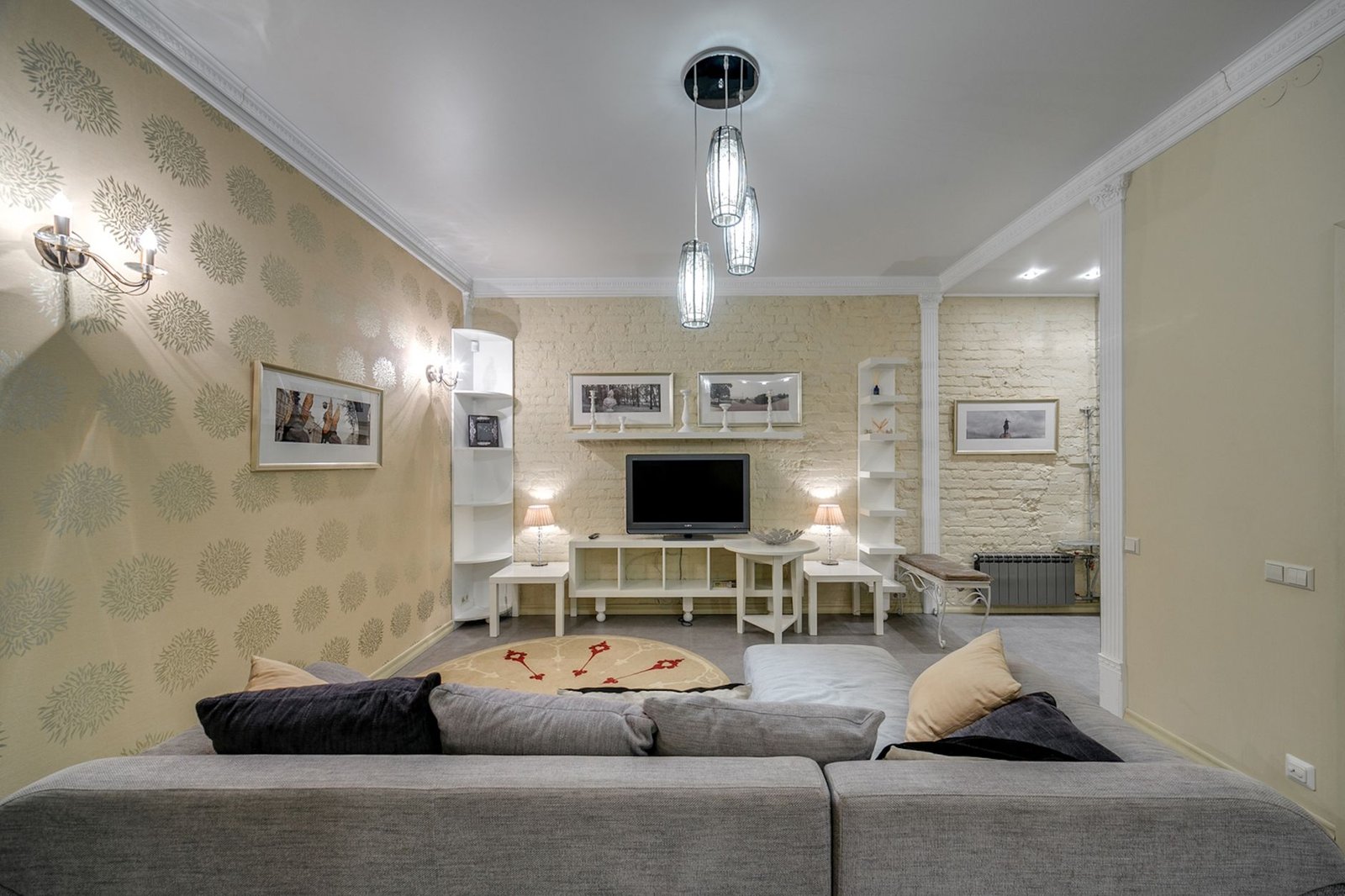
Before choosing a wall color, think about the existing furniture.
If the furniture in the sitting room is dark wood, painting warm neutral walls can give a balanced look. If the furniture is mainly white or cream, you can try bolder paint colors.
- Dark wood furniture: Pairs well with beige, cream, olive, warm white, or muted green.
- Light wood furniture: Pairs well with soft blue, grey, sage green, beige, or pastel shades.
- Grey furniture: Pairs well with white, navy, sage green, beige, or charcoal.
- Brown leather furniture: Pairs well with cream, warm white, taupe, olive, or terracotta.
The goal of wall paint is to create contrast while keeping the room from feeling crowded.
14. Consider Natural Lighting
Lighting can dramatically change the way paint looks. A color that seems soft in a paint store may look very different under natural sunlight.
Rooms facing different directions receive different qualities of light throughout the day. A bright room can hold darker paint colors, while a darker room may need lighter shades.
Before painting the whole room, always test the chosen paint on a small wall patch. Observe it in the morning, afternoon, and evening light. This simple step can prevent disappointing results.
15. Combine Paint With Wallpaper
Paint does not have to be used alone. Wallpaper can be paired with painted walls to create a decorative, textured sitting room.
For example, you could apply wallpaper to one focal wall and paint the other walls in a complementary color pulled directly from the wallpaper design. A floral wallpaper can pair naturally with sage green paint, while a geometric wallpaper can pair with sleek grey or beige paint. This approach lets you add patterns without overwhelming the room.
16. Minimalist White and Grey Combination
If you like minimalist interiors, a white and grey paint scheme can be a great combination.
Use warm white paint on most walls and add light grey paint on an accent wall. Complete the look with simple furniture, clean-lined lighting, and limited decorations. This paint plan creates an uncluttered look that feels fresh and elevated. You can add warmth through wooden furniture, plants, and soft textiles.
17. Warm Terracotta for a Cozy Atmosphere
Terracotta paint has a rich, earthy look that can make the sitting room feel comfortable and inviting. Terracotta paint works exceptionally well in homes with wooden furniture, woven accessories, cream sofas, and warm lighting.
Because terracotta is a strong color, you may want to use it on one accent wall instead of the whole room. Pair terracotta paint with neutral shades to keep the overall design balanced.
18. Paint Behind the Television
The television wall is often the most noticeable area in a sitting room. Painting it in a distinct color can create a stylish feature wall.
Dark grey, navy, olive green, or deep brown paint can work well behind a television. A darker background paint helps the television screen blend seamlessly into the wall instead of standing out against a bright background. Add floating shelving or decorative objects to complete the entertainment wall.
19. Use Paint to Highlight Artwork
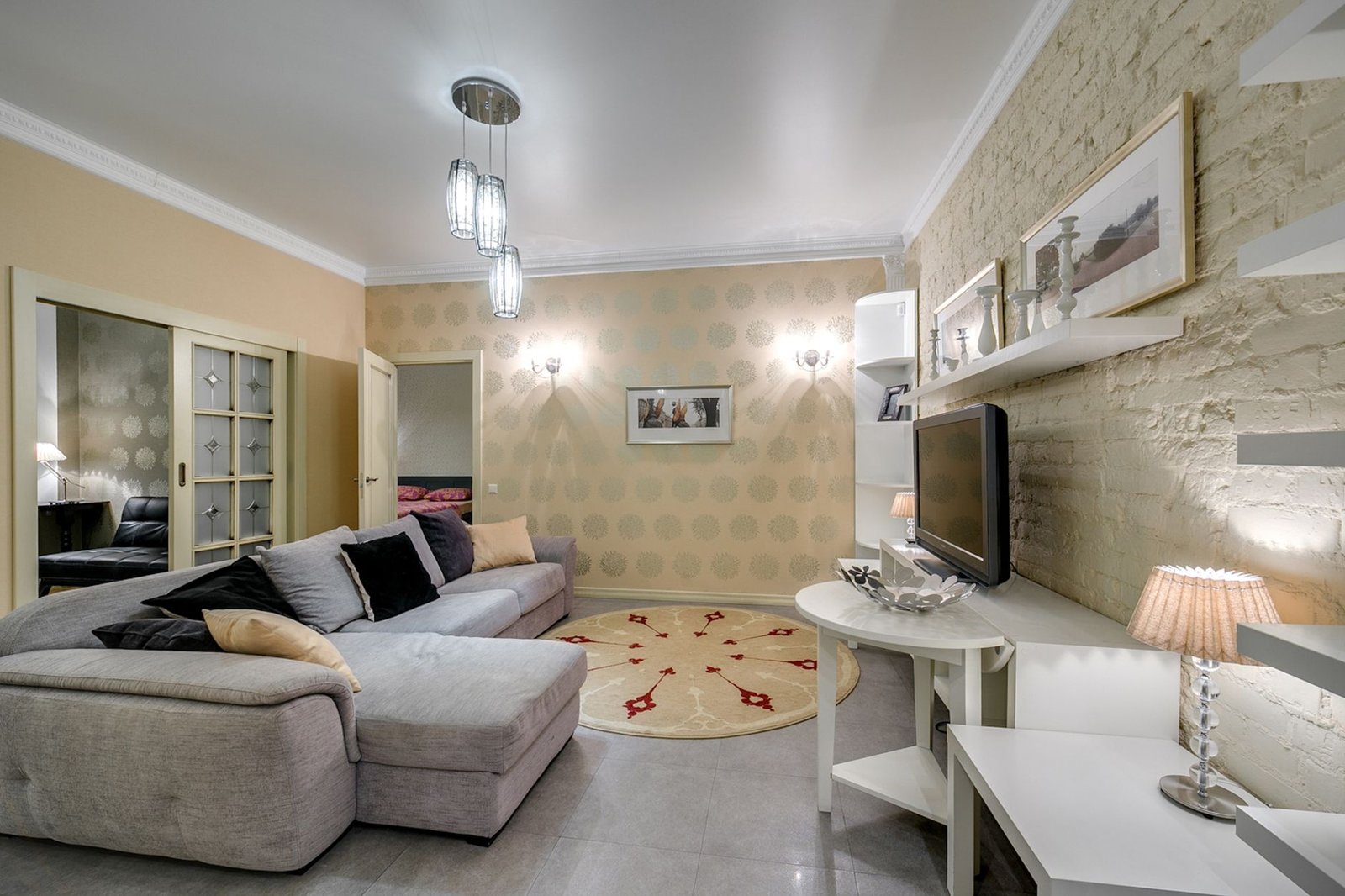
If you have a large painting, photograph, or decorative wall display, choose a background paint color that complements it. For example, artwork with blue details can look striking against a warm neutral wall.
A plain cream or white wall lets colorful artwork become the main focus, while a dark accent wall can make lighter, modern artwork stand out dramatically.
20. Use Color to Define Areas
In open-plan homes, paint can help visually separate different living areas. For example, the sitting room can use beige paint while the nearby dining area uses a complementary cream or muted green paint.
The paint colors do not need to be identical; choosing shades from the same color family creates a smooth transition. This painting technique helps an open space feel organized and defined without needing physical partition walls.
21. Choosing Paint Based on Room Size
Room size is one of the most important factors when selecting paint. Small sitting rooms generally benefit from light paint colors such as:
- White
- Cream
- Beige
- Light grey
- Pale blue
- Soft green
These paint colors reflect light and help the room feel more open.
Larger sitting rooms give you more freedom to experiment with deeper shades, accent walls, two-tone combinations, or darker colors. However, there is no hard rule that small rooms must always be white—a thoughtfully chosen dark accent wall can add incredible depth and personality to a small sitting room.
22. Consider the Flooring
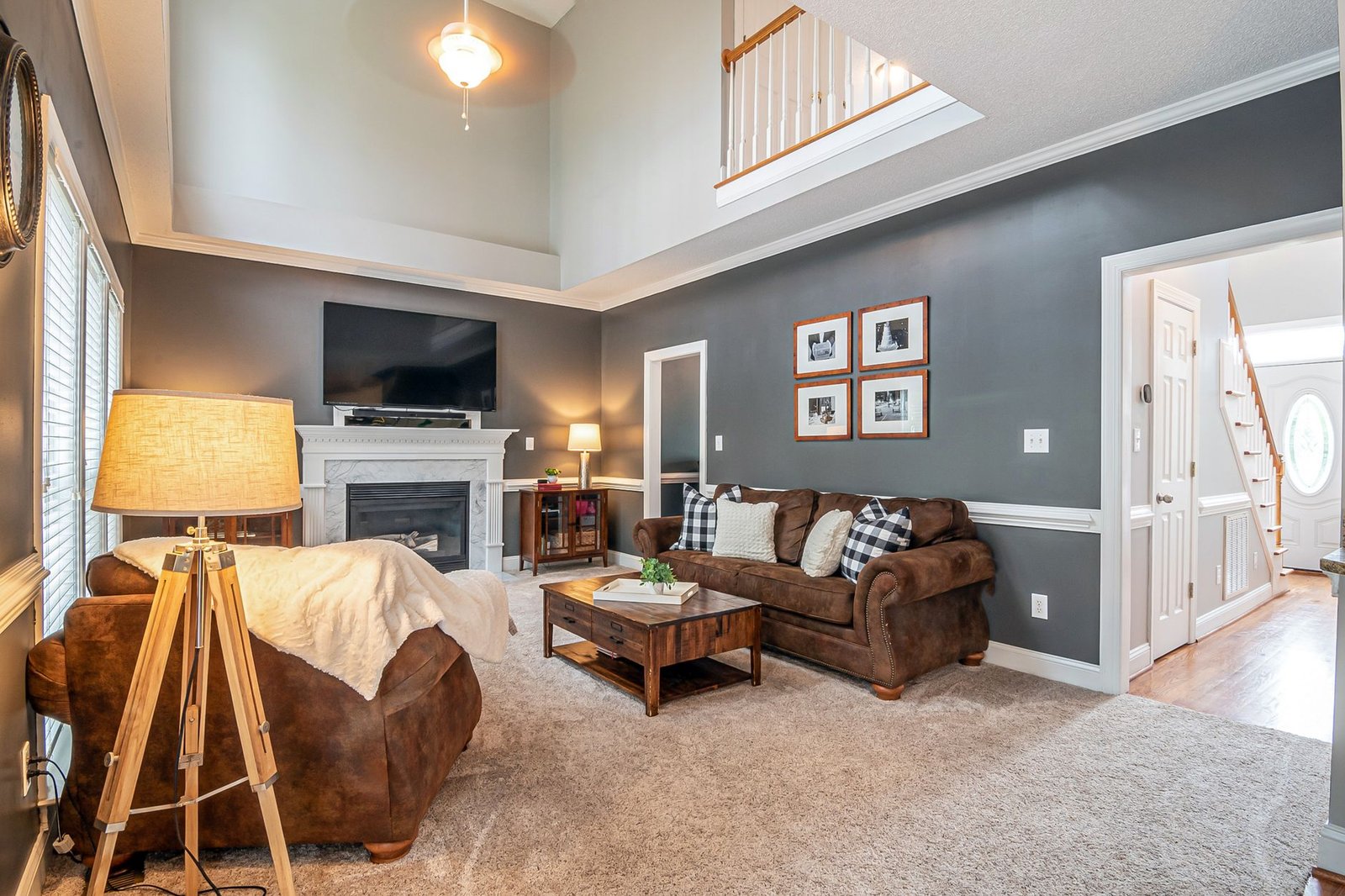
Flooring should also influence your paint choice for the sitting room.
If your floor is dark wood, warm beige, cream, or soft grey can create a balanced, airy look in the sitting room. If the floor is light-colored, you can create contrast with medium or darker walls.
Patterned flooring usually works best with simple, subtle wall colors, while plain flooring gives you more freedom to experiment with decorative paint colors and techniques.
23. Match Curtains and Rugs
Curtains and rugs occupy a large amount of visual space, so they should coordinate smoothly with the wall color of the sitting room.
You do not need everything to be the exact same color—instead, choose complementary shades. For example:
- Beige walls: Pair well with white curtains, brown rugs, green cushions, and wooden furniture.
- Light blue walls: Pair well with cream curtains, grey rugs, and natural wood furniture.
Avoid matching every item identically, as this can make the sitting room appear flat and monotone.
24. Choose the Right Paint Finish
While paint color is important, the finish also matters for the sitting room.
- Matte finish: Gives a smooth, sophisticated appearance and helps reduce visible reflections or wall imperfections.
- Eggshell or Satin finish: Practical choices for living spaces because they offer durability and easy cleaning while maintaining a soft, subtle sheen.
- Glossy finish: Reflects a lot of light, but can highlight wall surface imperfections.
Before choosing a finish, consider the condition of your walls and how much daily traffic or cleaning the surface will endure.
25. Add Personality With Decorative Painting
If you want something more creative than a single-color wall, consider decorative painting techniques for the sitting room. Some popular possibilities include:
- Geometric shapes
- Simple painted arches
- Color blocking
- Classic stripes
- Painted borders
- Abstract patterns
- Ombre effects
- Half-wall painting
A painted arch behind a console table or reading chair creates a stylish focal point without requiring expensive renovations. Similarly, geometric designs can give a sitting room a distinctive, custom personality.
How to Choose the Right Sitting Room Paint Color
Before buying paint for your sitting room, consider the following key factors:
Look at the Natural Light
Observe how much sunlight the sitting room receives throughout the day. Bright sitting rooms can easily support darker or bolder colors, while darker sitting rooms often benefit from lighter, reflective shades.
Consider Existing Furniture
Choose a wall color that works in harmony with your main sofa, tables, curtains, rugs, and flooring.
Think About the Desired Mood
Ask yourself what atmosphere you want to create:
- For a relaxed feel: Consider soft blue, sage green, or warm beige.
- For a modern, dramatic feel: Consider grey, navy, or deep green.
- For a cozy, traditional feel: Consider cream, beige, or earthy tones.
Test Before Painting
Never rely entirely on a small paper color swatch. Paint a sample area on the sitting room wall and observe it at different times of the day—morning, afternoon, and night under artificial light.
Consider the Whole Home
The sitting room should feel connected to the rest of the house. You do not need identical colors throughout the home, but using related tones creates better visual flow from room to room.
Common Mistakes to Avoid
Choosing paint is an exciting project, but several common mistakes can affect the final result:
- Using Too Many Colors: Too many strong colors can make a sitting room look visually chaotic. Stick to one primary color and one or two supporting shades.
- Ignoring Lighting: A color can appear completely different under warm light bulbs compared to cool natural daylight.
- Forgetting the Ceiling: A ceiling color that sharply contrasts with the walls can unintentionally alter the proportions of the sitting room.
- Matching Everything: Your walls, curtains, sofa, rug, and cushions do not need to be identical. Subtle contrast builds depth and character.
- Following Trends Blindly: Trendy colors can be attractive, but the best paint choice is one that works with your specific furniture, lighting, and personal taste.
Frequently Asked Questions
What is the best color for a sitting room?
There is no single “best” color for every sitting room. White, cream, beige, light grey, blue, and green are all top options, but the right choice depends on the size of your space, the natural lighting, your furniture, and your personal style.
Which paint color makes a small sitting room look bigger?
Light shades like white, cream, beige, pale grey, and soft blue reflect light and help a small sitting room look brighter, more open, and more spacious.
Are dark colors suitable for sitting rooms?
Yes! Dark colors can create depth, richness, and a cozy or dramatic atmosphere. They are especially effective when used on accent walls or in rooms with sufficient artificial and natural lighting.
Should all sitting room walls be the same color?
No, you do not need to paint all walls the same color. Accent walls, two-tone painted designs, and decorative arch details are all great ways to add visual interest.
What wall color goes well with wooden furniture?
Cream, beige, warm white, olive green, sage green, soft grey, and earthy tones usually pair beautifully with wooden furniture in a sitting room.
Is grey still suitable for modern sitting rooms?
Yes, grey remains a classic neutral option for modern sitting rooms. Different shades can serve as a clean, minimal backdrop or provide a bold, dramatic accent.
How can I make my sitting room look luxurious with paint?
Deep green, navy blue, charcoal, warm taupe, and other rich shades naturally give a luxury feel. Combining these colors with warm lighting, quality textiles, wood, and metallic accents lifts the overall design.
Should the ceiling always be white?
A white ceiling is a safe and classic choice, but it is not the only option. Soft, complementary shades (like pale cream or soft ice blue) can also work well depending on the room’s proportions and lighting.
Conclusion
The right wall color can completely transform a sitting room, making it more comfortable, stylish, and welcoming. From neutral shades and classic white to elegant grey, relaxing blue, natural green, warm terracotta, and dramatic accent colors, there are countless painting ideas for a sitting room to explore.
When picking a paint color, look beyond trends. Consider the size of the sitting room, the natural lighting, the furniture, flooring, curtains, ceiling, and the overall style of your home. A color that looks beautiful in one setting may look completely different in another.
For smaller rooms, lighter colors help create an open and airy environment, while larger rooms can handle deeper shades and bold accent walls. Neutral colors offer ultimate flexibility, earthy shades bring warmth, blues and greens create a serene atmosphere, and dark colors add rich drama.
Always remember to test your chosen colors before committing to the entire room. Look at the test swatches under different lighting conditions and evaluate how they pair with your existing furniture and decor. With thoughtful planning and the right mix of colors, your sitting room can easily become one of the most beautiful and inviting spaces in your home.
1 thought on “Painting Ideas for Sitting Room: 25 Beautiful Wall Color Ideas for a Stylish Home”